sábado, 19 de mayo de 2018

Ten Reasons to Visit Australia

Coastal view in Australia
Australia is one of the most remote countries in the world and, ironically, one of the most popular places to visit, especially among backpackers and budget travelers. Because of its distance from the US, not many Americans tend to visit Australia. The flights are long and expensive, and when you only have a few weeks of travel, wasting a few days flying probably doesn’t make sense to a lot of travelers. Nevertheless, here are a few reasons to save up your vacation time and brave that long venture across the Pacific:

The Great Barrier Reef
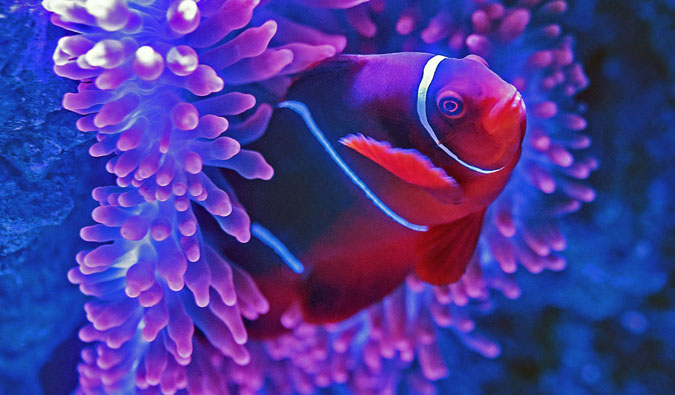
the beautiful great barrier reef fish
One of the most famous reef systems in the world, the Great Barrier Reef is world renowned for its abundance of marine life and world-class diving opportunities. When I was there, I saw turtles, sharks, vibrant coral, and beautiful fish (even a fish pooping, which was as weird as it sounds). It was everything it was cracked up to be. You can spend one day or a few diving this reef. Though everyone leaves from Cairns, leaving from Port Douglas will get you to less crowded dive spots.

Read more about diving the Great Barrier Reef. 

Sydney
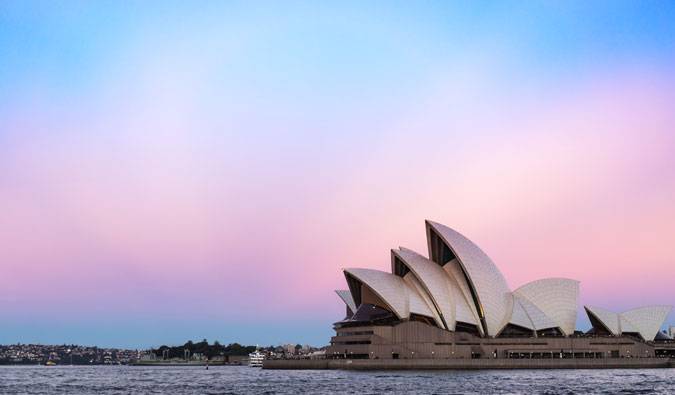
the Sydney Opera House
Known for its famed opera house and harbor, Sydney also boasts an incredible bridge, great parks, delicious food, lots of free stuff to do, and amazing surfing. Whether you go to Manly Beach or hang out with everyone else at Bondi, Sydney’s a place to relax in the sun and enjoy the water. Darling Harbor has a number of good restaurants and great entrainment venues, and the Chinese Garden is quite relaxing. For a night out on the town with colorful locals, there’s nothing like King’s Cross.

Read more about my 15 favourite things to do in Sydney.

Uluru
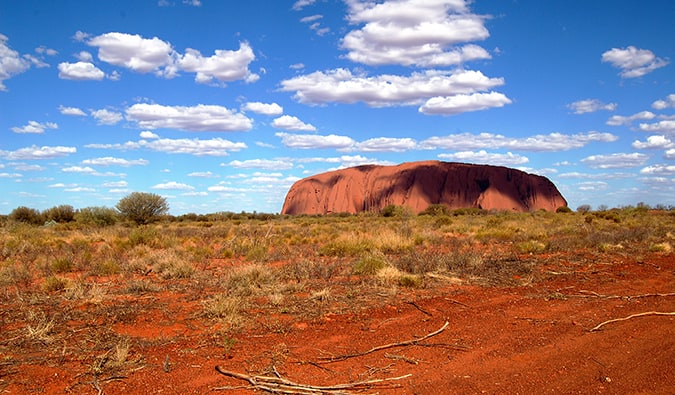
uluru at sunset
You wouldn’t think that a giant round rock covering eight kilometers of land would be breathtaking, but it is. The wind-blown cuts throughout the rock make it look like a wave of sand climbing over the desert. The iron in the rock produces amazing shades of red and orange during sunrise and sunset. While you can climb Uluru, be forewarned that it is a sacred area to the people of this area. Oddly enough, they allow visitors to scale the rock, even though they don’t like it.

You can take tours here from nearby Alice Springs.

Barbecue
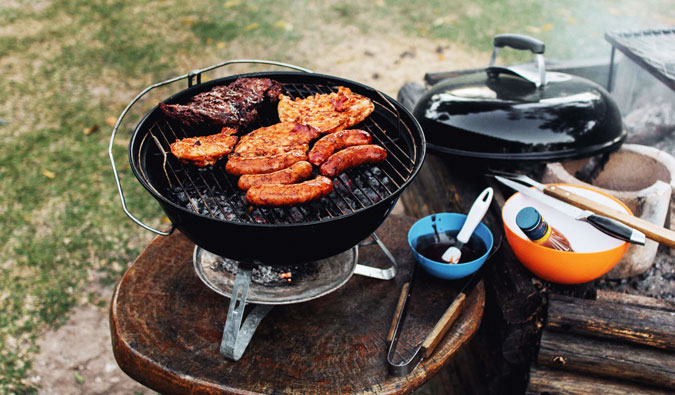
a typical Australian BBQ
Aussies do a lot of things well, and one of the best is throwing a barbecue. The Aussie barbecue is a serious tradition, and most parks and public areas have at least three barbecue pits. In fact, I don’t know what Australia would be without a barbecue. There’s nothing better than a beautiful warm night, a few good beers, and some grilled-up kangaroo to make you love this place. Barbecuing is a great budget friendly option too!

Read more budget tips on Australia.

Wine
australia wine country
Australia has some great wine regions, which include Margaret River near Perth, the Barossa Valley near Adelaide, and the Hunter Valley near Sydney. There’s a lot of good wine to be tried while in Australia, especially shiraz and pinot noir. You can take day trips to any of the wine areas from the nearby major cities or simply take a trip to the wine store and get drunk in the park…while having a barbecue.

Learn about why wine tasting is one of my favorite things to do in Sydney.

Western Australia
beautiful western australia
This is my favorite part of Australia. It’s truly beautiful, with its large expanses of outback and white sand beaches that stretch for miles without a soul in sight. I’m glad a lot of people don’t visit Western Australia; otherwise, it could end up like the East Coast — crowded and overbuilt. Karijini National Park puts Kakadu and Litchfield to shame, and Coral Bay and the Ningaloo Reef are even better than Cairns or the Great Barrier Reef. I love it here.

Read about the time I got stuck in the outback. 

Perth
beautiful perth
Sydney and Melbourne get all the attention, but Perth can hold its own against these two heavyweights. There are great beaches, one of the world’s largest city parks, surfing, and nearby Fremantle, where you can have Australia’s best beer (Little Creatures). Perth is a city filled with young people and has the vibe of a city in motion that’s just coming into its own. Don’t forget Sunday drinking sessions at the famous Cottesloe Hotel.

Read more about traveling in Perth.

Surfing
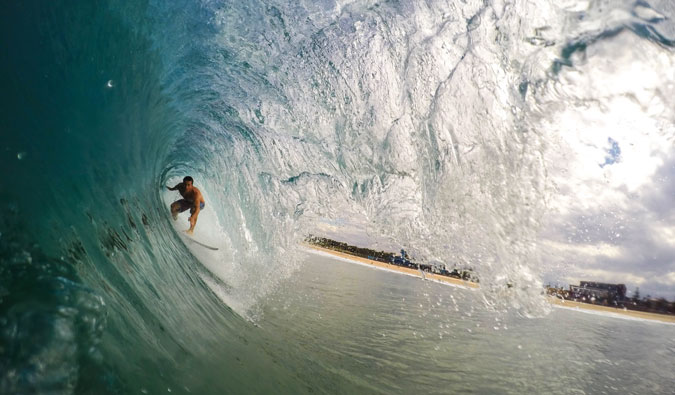
surfing in australia
Australia may not have invented surfing, but it might as well have, given how ingrained it is in Australian culture. The best surfing is on the East Coast, and there are a million places where you can catch a good wave. You can head to Sydney and places like Bondi Beach, but I find the best surfing is up in Queensland. I personally think Noosa is one of the best places to surf because there are waves for both professionals and beginners.

Read more about Broome – a great place to surf.

Beautiful Beaches
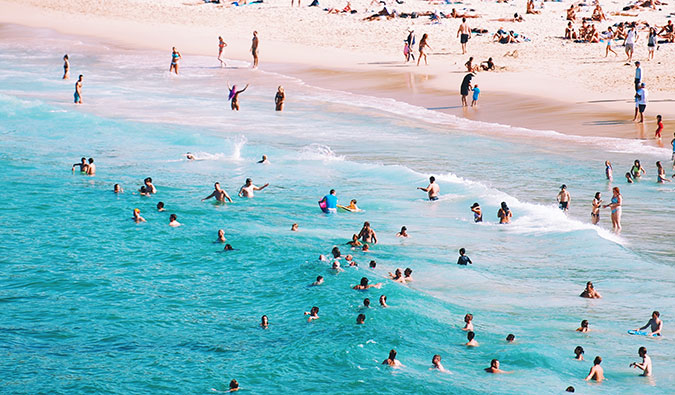
the best beach in australia
With over 50,000km of coastline, there’s no way this country could exist without beautiful beaches. The ones on the East Coast are far busier than the deserted beaches on Australia’s western coastline. But with so much to choose from, you’ll always find a spot to relax by yourself. My favorites include Coral Bay, Cable Beach, Noosa, Manly, and any beach in Perth.

Read more about my beach paradise: Coral Bay. 

Lush Jungles
cape tribulation jungles
One day I’ll settle down, and when I do, it’ll be in some lush, tropical place. Maybe Queensland will be that place. Here you’ll find one of the oldest continuous tropical rainforests in the world (it dates back to the age of the dinosaurs!). There are great places to go hiking, tons of wildlife and birds (watch out for crocodiles, though), and some really nice rivers and swimming holes to cool off in. If you really want to get away from it all, head far north to Cape Tribulation, where it’s just you, the jungle, and some ocean.

Go for a jungle walk in Cairns.

Australia has way more to offer than just these 10 things. I could probably think of 365 reasons to visit Australia (Vegemite not being one of them!). But we get drawn to countries for certain reasons, and these are what draw me back again and again to the wonderful land down under.

For more information about Australia or to plan your visit, read these other articles:

Book Your Trip to Australia: Logistical Tips and Tricks

Book Your Flight
Find a cheap flight to Australia by using Skyscanner or Momondo. They are my two favorite search engines. Start with Momondo.

Book Your Accommodation
You can book your hostel in Australia with Hostelworld. If you want to stay elsewhere, use Booking.com as they consistently return the cheapest rates. (Here’s the proof.)

Don’t Forget Travel Insurance
Travel insurance will protect you against illness, injury, theft, and cancellations. I never ever go on a trip without it. I’ve been using World Nomads for ten years. You should too.

Need Some Gear?
Check out our resource page for the best companies to use!

Want More Information on Australia?
Be sure to visit our robust destination guide on Australia for even more planning tips!


The post Ten Reasons to Visit Australia appeared first on Nomadic Matt's Travel Site.


May 16, 2018 at 08:51PM

fom https://ift.tt/2mySW1R
by IHholiday Travel trip

viernes, 18 de mayo de 2018

My Favorite Australian Hostels

hostels in australia
I love Australia. It’s one of my favorite countries in the world. I’ve been going for over a decade and have crossed the country more times than I’ve criss-crossed my own. I’ve stayed in countless hostels throught Australia and, today, want to share some of my favorites.

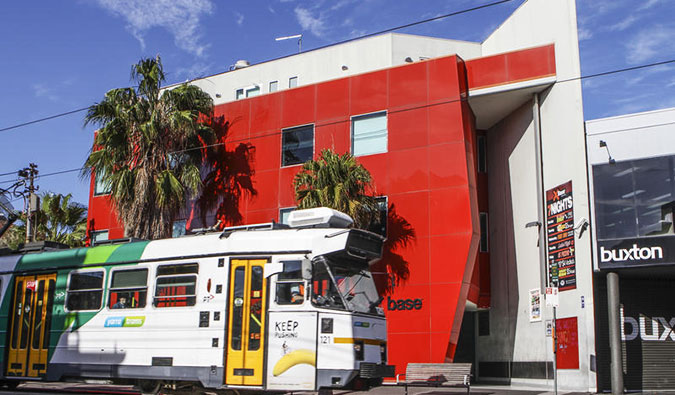
Base St. Kilda (Melbourne)

hostels in australia
Base is like the McDonald’s of hostels. You get full but you’re not really satisfied. Yet McDonald’s (Base) outdid themselves with their Melbourne hostel. It’s my favorite hostel in Australia. The bar is lively every night, and there are BBQs and events during the week. Moreover, the rooms and bathrooms look really nice and are clean. The bar is open 7 nights a week and they offer free breakfast from 8am-10am. They also have a travel desk, recruitment and jobs desk, and free daily activities. Since people come here to party, everyone is very social and looking to interact. Within moments of my arrival, I had a group of friends to spend time with. I went there during my first trip to Australia and went back this year to see if it was still good. It did my memories justice.

—->Book your stay at Base St. Kilda!

Wake Up! (Sydney)
hostels in australia
Wake Up! is, in many ways like a backpacker hotel. With its eight floors, hyper-trendy and clean look, and small common areas, you might think it would be hard to meet people. The large size does make it sort of hard to meet people outside the common areas or your room, but the big bar downstairs (biggest night is Monday) lets you meet all the people you see coming and going. I really liked my time there and I especially enjoyed the high water pressure in the showers and uncreaky beds.

The hostel is located just next to the Central Station so it’s easy to get to and from the airport. The only downside is that it’s more expensive than the cheaper options in King’s Cross so you might want to “splash” out for this one because it’s not cheap!

—->Book your stay at Wake Up! Sydney!

Surf N Sun Hostel (Surfer’s Paradise, Gold Coast)

hostels in australia
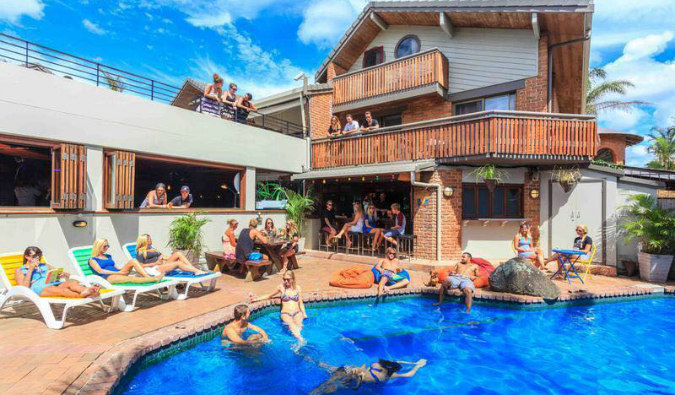
Located in the Gold Coast, you’ll get both surf and sun at this place. A converted motel, this hostel has really friendly staff, a pool, a central location, and is right across from the beach. All good things. Plus they offer a free pick up from the bus station. The owners are these old backpackers who hang out in the hostel once in awhile and are really friendly. Another plus: at the time I was there, it was the only hostel in Surfer’s Paradise that didn’t have bed bugs. They often have free drinks and BBQs for guest too. I ended up staying an extra week there simply because I was having such a good time.

—->Book your stay at Surf n Sun Hostel!

Bunk Brisbane (Brisbane, Queensland)
hostels in australia
Bunk has awesome facilities. They have a pool, hot tub, late night bar, and an awesome travel desk. They can also help you find work too. Their kitchen is spacious, their beds are comfy, and the dorm rooms are cleaned daily and have electronic key access. It’s the best place in Brisbane (especially since Base took over Tinbillys!)

—->Book your stay at Bunk Brisbane!

Kimberley Travellers Lodge (Broome)
hostels in australia
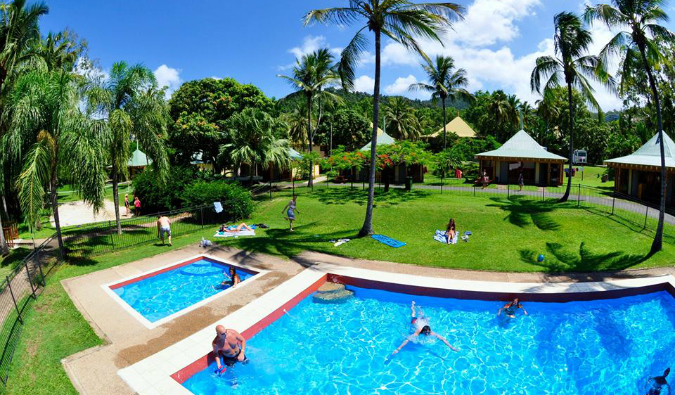
This hostel is amazing. They have an enormous pool, a huge outdoor area, a gigantic kitchen, a great location close to the beach, and a small, cozy bar that you can order great meals from. Moreover, when the heat of Broome really gets to you, there are hammocks to lie on. They offer shuttle service to famous Cable Beach for free, and the hostel is a close walk to town. What I really love is the huge kitchen. Even during peak time cooking time, you have plenty of room to move around. I hate cooking dinner in hostels because there’s never space and you’re always bumping into other people cooking. Not here. I wish all hostel kitchens were this big. Rates include a continental breakfast daily and they will even arrange complimentary airport transfers!

—->Book your stay at Kimberly Travelers Lodge!

Witch’s Hat (Perth)
hostels in australia
The Witch’s Hat is located near the main party area in Perth, Northbridge, as well as near many good restaurants. The staff is really friendly and can really help you with any travel bookings or related questions. There’s a great kitchen and common room here, plus an outdoor BBQ area, comfortable dorms, and a very social atmosphere. They also organize barbecues and events every so often.

—->Book your stay at Witch’s Hat!

Aquarius Backpackers (Byron Bay)
hostels in australia
I stayed at this place over Christmas and fell in love with it. They do such a good job at getting people to talk to each and create a really friendly atmosphere. There’s a free meal every night (small meal) and they organize a huge BBQ lunch on Sundays. It’s close to the beach and the center of town, and there’s free wifi by the pool. The dorms are cleaned often but the beds won’t win any major awards.

—->Book your stay at Aquarius Backpackers!

Gilligan’s Backpacker Hostel and Resort (Cairns)
hostels in australia
This giant hotel/hostel is where you go if you want to party. The rooms are OK. They have aircon and the beds are comfy but I was less than impressed. But what I did love was the many state of the art kitchens, free airport pick up, wifi, and swimming pool with an open deck bar and massive outdoor pub screens! I had a lot of fun here. Maybe too much. Hard to remember!

—->Book your stay at Gilligan’s!

Nomads Noosa (Noosa)
hostels in australia
A cool little hostel that is only 900 meters from the beech. All rooms are spacious and come with their own bathroom. There’s a nice tropical garden, communal kitchen, bar, swimming pool and even a volleyball court! It’s one of the chillest, laidback places I stayed in and the staff was very helpful and friendly!

—->Book your stay at Nomads!

***

When in Australia, I highly recommend you stay at these hostels. For me, a good hostel has all about the amenities, staff, environment, and comfortable beds. These hostels meet all those requirements (which is why they are usually all full so book in advance!)

Photo credits: 1, 2, 3, 4, 5, 6, 7, 8, 9, 10, 11, 12

For more help planning your trip, check out my guide to Australia travel.

The post My Favorite Australian Hostels appeared first on Nomadic Matt's Travel Site.


May 17, 2018 at 03:13PM

fom https://ift.tt/2hkMpBX
by IHholiday Travel trip

lunes, 14 de mayo de 2018

How Our Contest Winner Heather is Traveling South America on a Budget

Heather in South America
Last year, I gave away a trip around the world. After going through thousands of entries, in the end, Heather was the winner. She has had some amazing adventures already, and now and it’s time to catch up with her and find out about her trip, how the budgeting is going (is she doing $50 a day?), and some more lessons learned as she makes her way across South America.

Nomadic Matt: Hi again! First, let’s catch up! What have you been up to since your last update?
Heather: Since our last update, I spent two months in Peru and now I am in Chile. I really loved Peru. When I first left for this trip, I didn’t think I would even go to Peru, because I wasn’t sure I could do Machu Picchu, and it didn’t seem right to go to Peru and not see it. After a few weeks, I met a few travelers who told me how I could do Machu Picchu on a budget, and so I ended up spending two months in the country! (There are a ton of pictures from my time in Peru on my Instagram and more stories on my blog.)

Heather in Peru

Speaking of budgets, how’s your daily budget going? Can you give us details on how much you are spending per day and where the money is going?
In Peru, I had a much easier time staying on budget. In my first month there, I spent about $600. Northern Peru was so cheap. I couchsurfed a few times and took a camping trip, so it wasn’t hard to stay on budget. My second month I spent quite a bit more, about $1,200. I found the south a lot more expensive, and I’ll admit I was being overindulgent. There were so many restaurants in Cusco and Arequipa that I wanted to try!

In the north, I couchsurfed in Cajamarca and we ate at his place. I spent 10 soles (about $3 USD) on a bus to Namora (outside of Cajamarca), 10 more soles on a taxi to get to the lake we were visiting, 10 soles for the boat ride, 10 soles for lunch, and 6 soles for the bus ride back. In total, that’s about $14 — and it was that much only because we did an activity. Some days our only activity was attending Carnaval, so I might spend just $5 that day.

The next week I took the tour through La Cordillera Blanca. It cost 320 soles ($99 USD) to take the four-day tour, plus the entry ticket to the park was 40 soles. My per-day budget in Peru was about 100 soles ($31 USD), so that tour ended up costing less than my daily budget and I got to do an incredible hike.

Heather in Peru

However, in the south, a typical day might include grabbing coffee with some friends, eating a lunch out, walking around, eating dinner, grabbing drinks, then sitting in the plaza. Some days that was the full agenda, yet it was so expensive. On our last day together, we decided to eat lunch at a fancy restaurant with a renowned chef, and we spent 100 soles each on that lunch alone. But it was delicious, so it’s hard to regret! For the equivalent of $30, I had a cocktail, a glass of wine, an appetizer, and a full roasted lamb leg with sides that I split with a friend.

How do you stay on budget?
The easiest way I’ve found to stay on budget is to avoid tours. For instance, here in Chile I see pamphlets advertising day trips to Valparaiso for about 55,000 CLP ($90), not including entrance to the museums or lunch. I took a local bus on my own and spent maybe 20,000 pesos on the whole day.

What’s been one of your biggest “budgeting” mistakes? Something that’s made you go “damn, that was dumb!”
My biggest weakness will always be food. I wrote last month that I wasn’t spending that much on food. That was true in Ecuador and my first month in Peru. All that changed when I got to southern Peru, where there are a lot more restaurants and the tourist trade is thriving. My first four days in Cusco I basically camped out at an American-style café, ordering coffee after coffee and 2-3 desserts while I worked on writing and other maintenance tasks.

Boy, was that dumb. I told myself it was TLC, but I didn’t need to indulge that much. I had to learn to balance working in a coffee shop with not blowing my money, by staying in the hostel instead to work — but without going crazy from being stuck inside all day. I’m actually still learning how to do that.

What have you learned so far about yourself?
It feels like I learn something new about myself every day. If I had to pick one thing, I would say I’ve learned that I’m more outgoing than I realized. When you meet a new person on the road and you hit it off, it’s really surprising how quickly you bond. I think it’s partly due to the time crunch — you both know there’s only so much time before you part ways, maybe to never see each other again — and partly that you are both experiencing something new and exhilarating during travel and that tends to bond people together.

I wouldn’t ordinarily be that open to new people back home, but on the road, I’ve met so many amazing people and I love it.

What’s one stereotype/perception you had about South America that you think has changed by actually being there?
The number one stereotype is that South America is a dangerous place, especially for a woman. I did feel wary for a bit in the beginning in Ecuador, mostly because people kept warning me to be safe. After a while, I learned to take that with a grain of salt. In all honesty, I think the fact that I don’t look like a gringo helps, because I’m not often targeted as much as other travelers I’ve met. There have been very few situations where I’ve actually felt unsafe.

Heather in Peru

More often, I encounter a lot more people who are concerned for me and go the extra mile to be hospitable and helpful. For instance, I was walking in Valparaiso the other day with my DSLR camera out, taking pictures of the street art. No fewer than four times, a local came up to me and told me to be careful and put my camera away. I thought this was very odd. Four times is more warnings than I received possibly in my entire time in Peru!

The woman who gave me the last warning told me to follow her, and she lead me to the colectivo terminal to make sure I got safely out of a dangerous area. Initially, I was worried she was going to try to scam me, but she asked for nothing in return.

Time and time again, I am surprised by the kindness of strangers. I think people look out for one another more here than we do in the States.

What’s been your favorite activity?
It’s gotta be Machu Picchu. I know it’s cliché, but it really was wonderful. I met great friends, and we did things like visit hot springs and zip-line. And finally, finally seeing Machu Picchu was a dream come true. It’s every bit as beautiful as it looks in pictures, and it just felt epic to be there.

Heather in Peru

What’s been your least favorite?
Rainbow Mountain, without a doubt. It is not as magical as people claim. It was freezing at the top (we are headed into winter here), the trail is most ugly (worn down by lots of tourists), and overall just unimpressive.

What are your plans to give back while on the road?
My cousin connected me with a friend in Brazil to get involved in some of the protests and outreach work that has been happening since the shooting of Marielle Franco. I just need to finalize the details when I get to Brazil next week.

I’m also extremely excited because I found an organization to volunteer with in Tanzania. I fly there July 17th, and I will be helping teach English and basic computer skills for a few weeks. Hopefully, I will do more volunteering after that in Kenya and Ethiopia.

What’s the worst thing that’s happened? Do you think it could have been prevented?
Everyone is going chuckle at my penchant for losing things, but the worst thing that has happened was that I lost my GoPro on my Rainbow Mountain trek. I was so mad at myself because I usually wear it on a wrist strap so that I can’t lose it. So of course, the one time I didn’t wear it, I lost it when I climbed up on a horse to get up the mountain. That’s my lesson for being lazy.

On my way down I was criss-crossing the mountain looking for it when someone told me their guide had it and to meet them at the bottom of the mountain to get it. That was stupid. I should have stuck with that person because when I got to the bottom, my guide made me get on the bus and wouldn’t let me wait and wouldn’t help me find the other guide. It was so frustrating to know that someone had it but I had no way to get it! I lost a time-lapse I took of the fog rolling off Machu Picchu and photos from the trek as well. It’s been a month now and it still bothers me that I lost those pictures.

Heather in Peru

All things considered, that being the worst thing means nothing bad really happened to me at all. 🙂 My sister jokes that I lose so many things on the road that by the time I come back I’m going to have an empty bag.

Where are you going next?
I head to Buenos Aires tomorrow morning for a quick four days. Then I head to Iguazu Falls for two days and Rio de Janiero for two weeks. Then I head to Morocco for a month. I hope it’s not too hot. And Ramadan begins the middle of next month, so I’m interested to see what that’s like in a Muslim country. It’s going to be the biggest culture shock for me so far, and I’m anxious to see how I react.

In the following months, Heather will be navigating South America, Europe, Africa, and Southeast Asia. As she keeps going, we’re going to follow along to get more details about her trip, experiences, roadblocks, budgeting, and everything in between! You can follow her journeys on her blog, Confidently Lost, as well as on Instagram. She will also be sharing some of her experiences here!

The post How Our Contest Winner Heather is Traveling South America on a Budget appeared first on Nomadic Matt's Travel Site.


May 14, 2018 at 03:00PM

fom https://ift.tt/2KmNjuK
by IHholiday Travel trip

viernes, 4 de mayo de 2018

How to Pick a Good Hostel

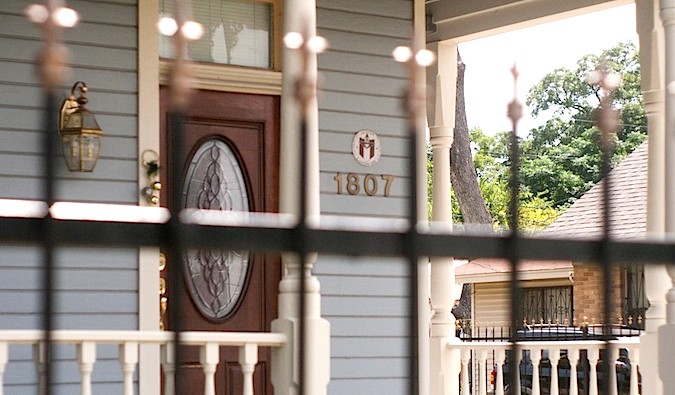
HK Austin, a hostel in Austin, Texas
Good hostels are always hard to come by. Hostels have more to do with the people staying there than the physical place. I’ve stayed in dumps where I had fun, because of the people there, and been to amazing, beautiful hostels that bored me to death.

While hosteling is about the people, staying in a place that knows a traveler’s needs is always better because it enhances the travel experience. When trying to pick a good hostel, here is my advice on what to consider:

Cheaper is not better

Budget travelers have a natural inclination to go with the cheapest thing around. However, don’t try to save a buck just to save a buck. Super cheap hostels are often unclean, the beds uncomfortable, the showers dirty, and the pillows thinner than a supermodel. Pay an extra dollar or two for nicer and cleaner digs. Your body will thank you.

Get breakfast

One thing I hate about hosteling in Europe is that breakfast is often toast, eggs, and coffee. And it begins at 7 am (and ends early too)! I’m not sure who the travelers are that they know, but I’ve never known any to wake up that early, even for a good breakfast. Look for a place with a decent breakfast (i.e., more than toast) or at least one that begins and ends when people are actually awake (breakfasts that start around 8:00 usually go late). Breakfast is also a great way to load up on snacks for the rest of the day, thereby cutting down your food budget.

Check out late

Never stay at a hostel with a checkout time before 10am. The best hostels have 11am checkout times, and the really good ones let you checkout at noon. Sleep is valuable on the road, because you’ll rarely get enough of it. Hostels with late checkout times understand this and are often more relaxed and chiller environments. There’s just something wrong about a hostel asking you to be packed and out so early in the morning.

On the flip side of this, I like hostels that have flexible check-ins. Many don’t let you check-in before 2pm, but I like the ones that say “OK, the bed is ready. Come in now!”

Push-button showers

Just say no to push-button showers! They are annoying and often have no water pressure. You don’t want the water to turn off mid-soaping. My rule of thumb is that if a hostel has a push-button shower, I don’t stay there.

A hostel bathroom

Lockers

It’s surprising, but I’ve actually been in hostels that don’t have lockers or that charge you for them. In this day and age, lockers should be standard. You should never pay for security. This is a deal-breaker for me, especially since I travel with electronics.

Free Internet

While the Internet isn’t a must for all travelers, a hostel with free Wi-Fi and computer terminals makes life a lot easier.

A bar

Bars are not a deal-breaker, and there are a lot of wonderful hostels without them, but they make for a great place to socialize with other hostel guests. Usually if a hostel has a bar, they put a strong emphasis on making sure the people staying there are having fun, interacting, and being festive.

Common area

If the hostel doesn’t have a bar, it should have a big common area. The best hostels are the ones that give travelers a place to hang out and socialize with each other. Common areas facilitate interaction and help solo travelers have an easier time meeting people. The best hostels I’ve ever stayed at always had an amazing common area.

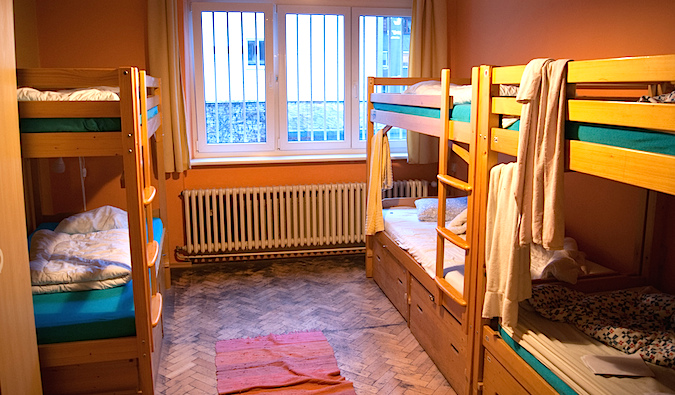
A dorm room in a hostel

Organized activities

Really good hostels also organize activities such as walking tours, bar crawls, BBQs, or anything else that gets people together.

Knowledgeable staff

Employees make any business, and when I find the staff of hostels helpful, knowledgeable, and friendly, I like that place a lot better. A hostel is like a home, and you want the people there to welcome you like a long-lost family member. I never understood why hostels don’t recognize that being a hostel is not about being a cheap place to stay, it’s about creating a warm environment.

A hostel doesn’t need to have every one of these things I listed, but it should have the majority. A hostel without the majority of these things doesn’t understand who its guests are or what they want. I get that a lot of different people come through hostels with a wide variety of needs. A hostel doesn’t need to be perfect. I’d like a clean kitchen, but it’s not a deal-breaker. Dorm room doesn’t lock? That’s what a locker is for. Hostel showers are always dirty, which is why I wear flip-flops in them. I’m not looking for a 5-star resort, just basic security and comfort.

What makes hostels great are the people, and even the worst hostels will be great if you meet good people. But removing the people from the equation, I look for hostels that have some of the above qualities in them. Hostels that know what you want as a traveler are there to enhance your travel experience, not simply take money from you in exchange for a bed. I would rather stay at a place that is looking to make sure I have a good time.

And to find these places? I read up! When I’m picking hostels, I look at user reviews, pictures, amenities, and star ratings on sites like Hostelworld, Hostelz, and HostelBookers. See what your fellow travelers say. The consensus is going to be pretty spot on.

Book Your Trip: Logistical Tips and Tricks

Book Your Flight
Find a cheap flight by using Skyscanner or Momondo. They are my two favorite search engines. Start with Momondo.

Book Your Accommodation
You can book your hostel with Hostelworld. If you want to stay elsewhere, use Booking.com as they consistently return the cheapest rates. (Here’s the proof.)

Don’t Forget Travel Insurance
Travel insurance will protect you against illness, injury, theft, and cancellations. I never ever go on a trip without it. I’ve been using World Nomads for ten years. You should too.

Need Some Gear?
Check out our resource page for the best companies to use!

Photo Credits: 1, 2, 3

The post How to Pick a Good Hostel appeared first on Nomadic Matt's Travel Site.


May 04, 2018 at 03:00PM

fom https://ift.tt/2FLbLDo
by IHholiday Travel trip

jueves, 3 de mayo de 2018

The Cost of Traveling New Zealand

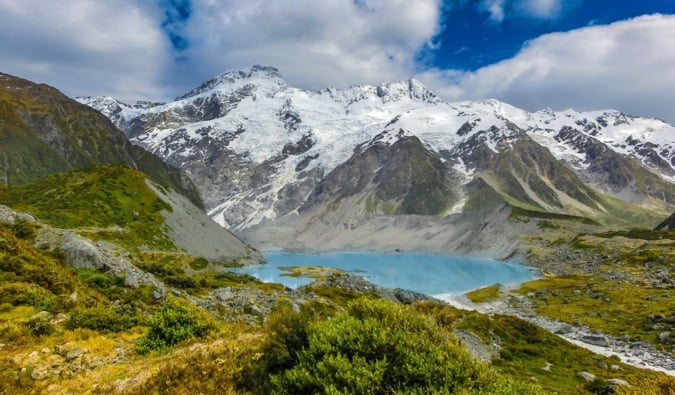
Mountains in New Zealand
New Zealand. The land of Middle Earth, Great Walks, kiwis, backpackers, adventure sports, delicious wine and pristine wine regions.

And a land that sucks all your money from your wallet like a giant vacuum.

I first visited New Zealand eight years ago. The country was so much more expensive than I thought it would be. Back then, I was a cheap(er) backpacker and focused on saving as much money as I could. I cooked most of my meals, hitchhiked, skipped all the costly adventure sports, and drank a diet of cheap boxed wine and happy hour beer.

But, when I visited earlier this year, I changed my MO this trip. I was going to say yes to everything, regardless of cost.

I wanted to really know how much money you need in New Zealand for a variety of budgets. What’s it cost to be a broke backpacker? A mid-range traveler? Or a mix of the two? What if you want to eat out a lot but also hike or sleep in a van? What if you want to do all the adventure activities in the world? What if you just let the tab pile up?

So I became the Nomadic Matt of many budgeting hats. And, in the process I learned a lot about, the true cost of traveling New Zealand.

Let’s break it down.

How much did I spend in New Zealand?

New Zealand fjords
Over the course of my 25-day visit, I spent $4,550.90 NZD ($3,292.74 USD), averaging $182 NZD ($131.68 USD) per day.

That’s a lot of money. Like holy hell a lot of money! Way more than my $50 USD a day guideline.

Here’s how my spending broke down:

  • Accommodations: $913.64 NZD ($661.05 USD)
  • Spark phone service: $164.68 (119.15)
  • Pharmacy: $39.98 (28.93)
  • Internet: $15.29 (11.06)
  • Groceries: $235.52 (170.41)
  • Transportation: $1,014.32 (733.90)
  • Activities: $823.65 (595.94)
  • Restaurants: 1343.82 (972.30)

Total: $4550.90 NZD ($3,292.74 USD)

I spent a lot of money, but, again, I said yes to everything. I knew taking scenic planes, trains, and helicopter rides; staying in private rooms, and meals out was going to cost a lot of money.

But even I was surprised how much I spent when I wasn’t tracking my spending.

Looking back, there were things I could have done to lower my costs.

I could have saved money by eating out less or by booking less expensive Airbnbs instead of hostel private rooms (which are always a terrible deal but I wanted to be around other travelers).

With a lot of ground to cover, I couldn’t always spend a day on a bus so flying really increased my costs. Additionally, the scenic rail I took (while awesome) was also $159 NZD! And transportation to Stewart Island is $160 NZD! Instead of doing them all, I could have picked one or the other.

And I definitely blew through way too much phone data. As a person not used to data limits, being data limited at hostels (around 1 GB per day) was new territory for me as I tried to stream Netflix. I picked up the slack on my phone by just ordering more data and not really thinking about it.

If I was slightly more conscious about my dining, accommodation, and spending habits, I easily could have cut $20 USD or more per day from my budget.

How much does New Zealand really cost?

New Zealand
So how much do you need to budget in New Zealand then? If you’re going to travel like I did, budget $110-130 USD a day. This will let you travel carefree and basically do anything you want (within reason). Fly, take scenic trains, expensive ferries, scenic flights, drink expensive wines, have expensive dinner – New Zealand is your oyster!

A more “I want to do a lot but still want to be budget”, a budget of around $142 NZD ($100 USD) a day will get you private rooms in Airnbs, a large number of activities (I let no winery go unvisited!), the occasional flights, and restaurant meals about 70% of the time.

If you’re going on a backpacker’s budget, I’d say you need around $71-85 NZD ($50-60 USD a day). That will get you a hostel dorm room, bus transportation, happy hour drinks, one or two expensive activities (bungy, scenic flights, skydive, etc), and mostly self-cooked meals (around 70-80% of your meals).

If you are going to rent a campervan or self-drive, you could knock $15 NZD ($11 USD) daily off your budget since your van will act as accommodation too. On an even tighter budget, with Couchsurfing, hitchhiking, few if any activities, and cooking 90% or more of your meals, you could get by on $40 NZD ($28 USD) per day. It’s not easy to do but I met travelers who did it. It requires a lot of discipline though.

Here are some sample costs:

  • Spark Phone plan (with 4.5 GB of data) – $40 NZD ($20 with 1.5 GB of data)
  • Buses booked far in advance – $1 NZD per ride
  • Buses booked last minute – $20-60 NZD
  • Airfare – Varied wildly but you’re looking at least $50 NZD each way.
  • Scenic trains – $159 NZD each way
  • Full-day Bay of Islands cruise – $259 NZD
  • Hobbiton tour – $84 NZD
  • Nevis Bungy – $275 NZD
  • Franz Josef Glacier Guides Heli Hike – $459 NZD
  • Waitomo glow worm caves – $51-246 NZD depending on if you walk, raft, or abseil
  • Hostel dorms – $20-30 NZD
  • Hostel private rooms – $55-$100 NZD
  • Airbnb – $50+ NZD for a shared location, $80+ NZD for a whole unit
  • Wine tours – $150+ NZD
  • Drinks – $8 NZD for a beer, $10-15 NZD for wine or cocktails, and $5 NZD for a happy hour drink
  • Bar crawls – $20-30 NZD
  • Casual restaurant meal – $15-25 NZD
  • Fast food meal – $11-20 NZD

How to SAVE money in New Zealand

New Zealand scenery
Spending so much money taught me a lot of about how to save money in New Zealand. Where your budget will go to die in this country is with activities and meals. Adventures activities are crazy expensive, most of them costing $200 NZD or more! I mean a heli-hike in Franz Josef was $450 NZD! That’s CRAZY! Moreover, with most meals costing $20-30 NZD ($15-22 USD), your budget is going to be gone quickly if you eat out a lot (food represented 34.7% of my total spending).

New Zealand’s groceries weren’t that expensive (it’s an agricultural country after all), and there are a lot of free hikes to replace those expensive activities. Taking advantage of these should help lower your costs substantially. When I was in Wanaka, I only spent around $50 NZD ($36 USD) each day ($30 for my dorm, $20 for food and drink, and $0 for activities since nature was free!). It can be done.

Simply put, New Zealand doesn’t have to be expensive if you don’t want it to be. After all, if it was, so many backpackers wouldn’t come here in droves. I mean how many hordes of backpackers go to Norway? Not a lot! Why? It’s f*ing expensive unless the only thing you do is camp! New Zealand has a middle ground. It’s whatever it is you want it to be.

Here is how to save money while there:

Cook (a lot) – I know this is going to sound crazy but, and I can already hear the comments coming, the food scene in New Zealand isn’t that mind-blowing. Yes, there are nice cafés, some hip gastronomy, and really delicious meals, but nothing that’s so mouth watering delicious you have to blow your budget on it. I never walked away going “That was a meal I couldn’t get at home! I’m glad I just spent $60 bucks!”

No. In fact, my biggest regret is that I spent so much on food. I should have cooked a lot more. I feel like I wasted a lot of money not doing so. I probably could have saved about $800 NZD by cooking more and, honestly, I don’t feel like I would have missed anything too great.

So cook as much as possible. You’re going to save a ton of money. Heck, even a burger and fries is $20 NZD! I’m not saying you shouldn’t ever eat out, just do so sparingly.

A week’s worth of groceries will set you back between $80-100 NZD. The cheaper supermarkets are Pak’nSave and Countdown.

Choose your tours wisely – Tours cost a lot of money in New Zealand. Going on just a few is enough to bust any budget and send you home before you had planned. Pick the ones you really want to do and save the rest for another trip.

Hit happy hour – The backpacker bars have cheap happy hours offering $5 NZD drinks — take advantage of them.

WWOOF it – WWOOFing is a way to get free accommodation and food in return for working on a farm or in a B&B. You can do it for a few days or a few months. It’s a popular activity with travelers because it lets you travel cheaper and longer. Keep in mind, though, most farms will require you to have some experience, as too many inexperienced workers have caused them trouble in the past.

Work at a hostel – Many hostels let you trade a few hours of cleaning and making beds for free accommodation. Ask when you check in if this is possible — it might just save you some money!

Car share – Car shares are a popular transportation option for travelers looking to lower costs — all you need to do is chip in for gas. You can find rides on websites like Gumtree and Craigslist. Additionally, you’ll see people asking for rides on hostel bulletin boards. As for ridesharing apps, check out Thumbs Up NZ or Carpool New Zealand. (I never found a New Zealand version of BlaBlaCar but if anyone knows of one, let me know!)

Couchsurf – While there are not a ton of Couchsurfing options in the country, there are hosts in all of the major cities. If you don’t mind sleeping on a couch or floor, this is not only a way save money on accommodation but also a way to meet some amazing locals too. (Don’t just use this as a free hotel. If you don’t want to interact with your hosts, don’t use this site.)

Hitchhike – Hitchhiking is easy in New Zealand. Besides Iceland, it’s probably the easiest country in the world to hitchhike in. There are plenty of people who will pick you up. Additionally, you can just ask around any hostel and find a ride — everyone is doing the same circuit. I got from Wanaka to Queenstown to Fiordland that way. Between message boards, Couchsurfing forums, the people you meet in hostels, and just thumbing it on the side of the road, you can always find a ride.

Take a free walking tour – There are a few free walking tours in New Zealand, like the Auckland Free Walking Tour or WellyWalks Limited in Wellington, that offer visitors (and locals) insight into each city.

Remember that nature is free – New Zealand, home to the Great Walks of the World, has tons of free outdoor activities. While the adventure sports, wine tours, glacier treks, and boat cruises can eat into your budget, all the trails and walks are free. You can easily fill your day with free hikes, excursions to the lakes, or days on the beach!

And keep in mind the majority of museums in the country are also free!

Get a bus pass – I tend to buy transportation last-minute so I never scored super discount fares, which is where bus passes come in. I bought the $135 InterCity FlexiPass for 15 hours of travel. I’d suggest this since it is hours based and lasts forever. It will save you a lot of money versus booking last-minute tickets on the bus.

You can find out more on how to get around on a budget in my last post. I list a lot of resources there.

Skip the backpacker buses – While they’re fun, backpacker bus tours like the Kiwi Experience, Stray, or Haka are expensive! Best to avoid them if you are on a tight budget. If your budget isn’t so tight and you do want to check them out, be sure to sign up for their mailing lists first — there is always a sale on.

Use Book.me.nz – This website provides last-minute discounts on activities (and pub crawls) throughout the country. If you’re flexible about when you want to do things, you can save up to 60% off attractions and activities! I can’t recommend it enough. It saved me a lot of money.

***

Saving money in New Zealand is about picking and choosing your battles. As you can see, when you just don’t care, costs can really go up. I made plenty of spending mistakes that upped my daily average a lot. But if you get a bus pass, cook a lot of your meals, find rideshares, stick to Airbnb rooms (or split rooms with friends), and campervan it, New Zealand won’t be that expensive.

Just be sure to watch your budget!

The post The Cost of Traveling New Zealand appeared first on Nomadic Matt's Travel Site.


May 03, 2018 at 03:00PM

fom https://ift.tt/2FFAeKa
by IHholiday Travel trip