sábado, 17 de octubre de 2020

14 Things to See and Do in Portland, Oregon

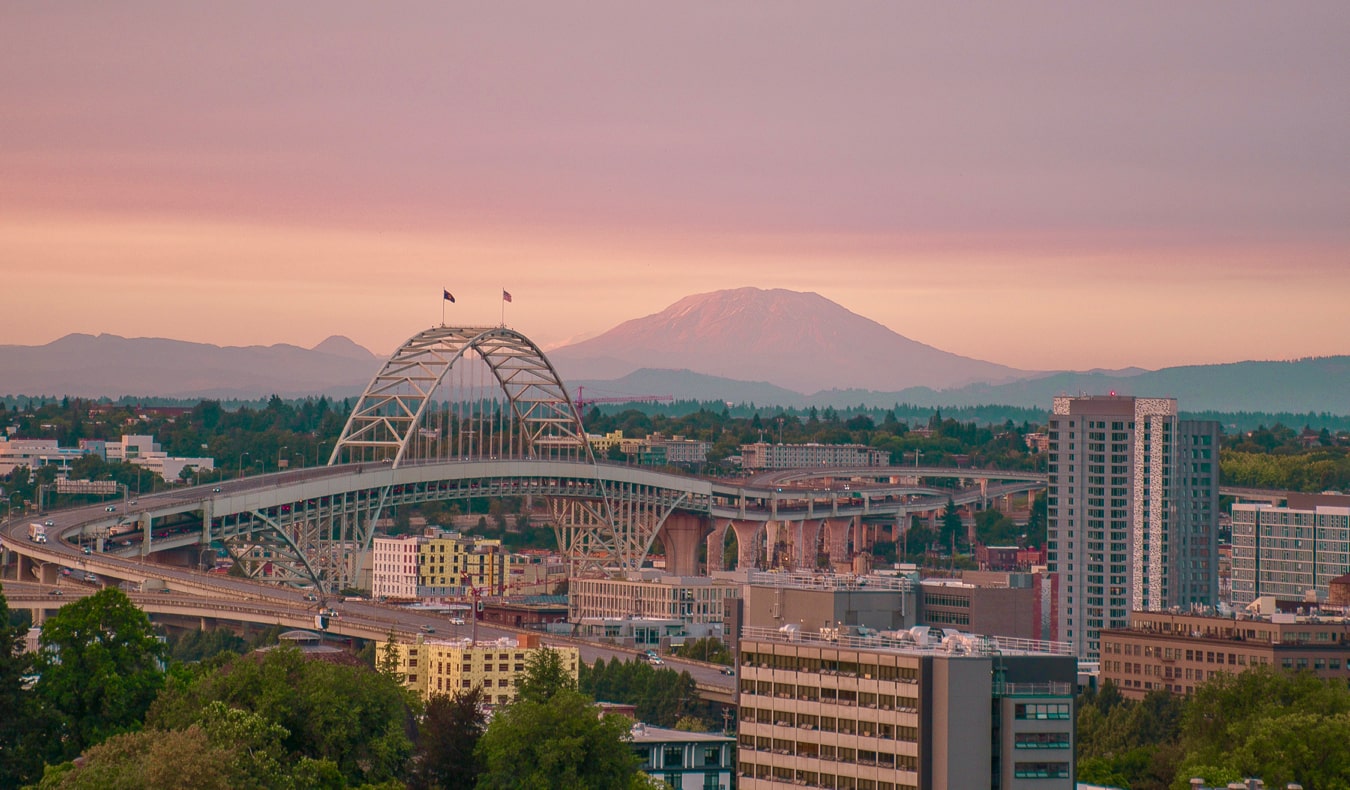
A colorful pink sunset over Portland, Oregon, USA
Posted: 10/17/2020 | October 17th, 2020

Portland, Oregon, is one of America’s most unique cities. While it often gets overshadowed by Seattle to the north, Portland is one of the US’s best and most interesting metropolises. With a world-class food scene, plentiful local breweries, and postcard-perfect scenery, it’s surprising that more people don’t visit this eclectic place.

Nicknamed “the City of Roses” (after roses became a common garden staple in the late 19th century) and “Stumptown” (due to lots of tree stumps remaining after the city expanded and clear-cut the surrounding area in the mid-19th century), Portland is known for its liberal tendencies, its food trucks, and its hipsters (thanks, Portlandia).

My first trip here was back in 2011 for Thanksgiving. While in Spain I made friends who lived in Portland and paid them a visit on my way to Asia. What started as “like” during my first trip turned into love on my second.

And, since then, I’ve visited nearly every year. Portland is on the very tiny list of cities I would actually live in.

What I really love about Portland is the high quality of life. It’s compact and easy to get around, there is good public transportation available, the locals are friendly, it’s environmentally friendly, and, most importantly, the food and beer scene here is killer (so many food trucks).

To help you make the most of your visit, here are my favorite 14 things to see and do in Portland:
 

1. Take a Walking Tour

I always start my visits to a new city with a walking tour. It’s the best way to learn about a destination, get the lay of the land, see the main sights, and have an expert local guide answer all your questions.

Portland Walking Tours offers more than half a dozen different tours around town, focusing on food, the main sights, and Portland’s underground and alternative culture. Tours last a couple hours and cost around $23 USD. They’re a great way to kick off your visit. I really liked the Underground Tour especially, which focuses on a series of tunnels below the city that have been used for all kinds of nefarious purposes.

If you’re on a budget, Secrets of Portlandia is a top-rated free walking tour that will give you a fun and informative intro to the City of Roses (they’re closed until 2021 due to COVID-19 though).
 

2. See Pittock Mansion

The stately Pittock Mansion in Portland, Oregon on a summer day
Built in 1914, this is a stunning French Renaissance–style mansion located in the western part of town. The 46-room estate, originally owned by a wealthy couple from England, is part of the National Register of Historic Places and contains beautiful artwork and furniture collected by the original owners. You can explore the grounds (which span over 40 acres) and buildings by yourself or take a guided tour (the price is the same; however, guided tours are only scheduled when volunteers are available).

3229 NW Pittock Dr, +1 503-823-3623, pittockmansion.org. Open daily 10am–4pm. Admission is $13 USD.
 

3. Hike Forest Park
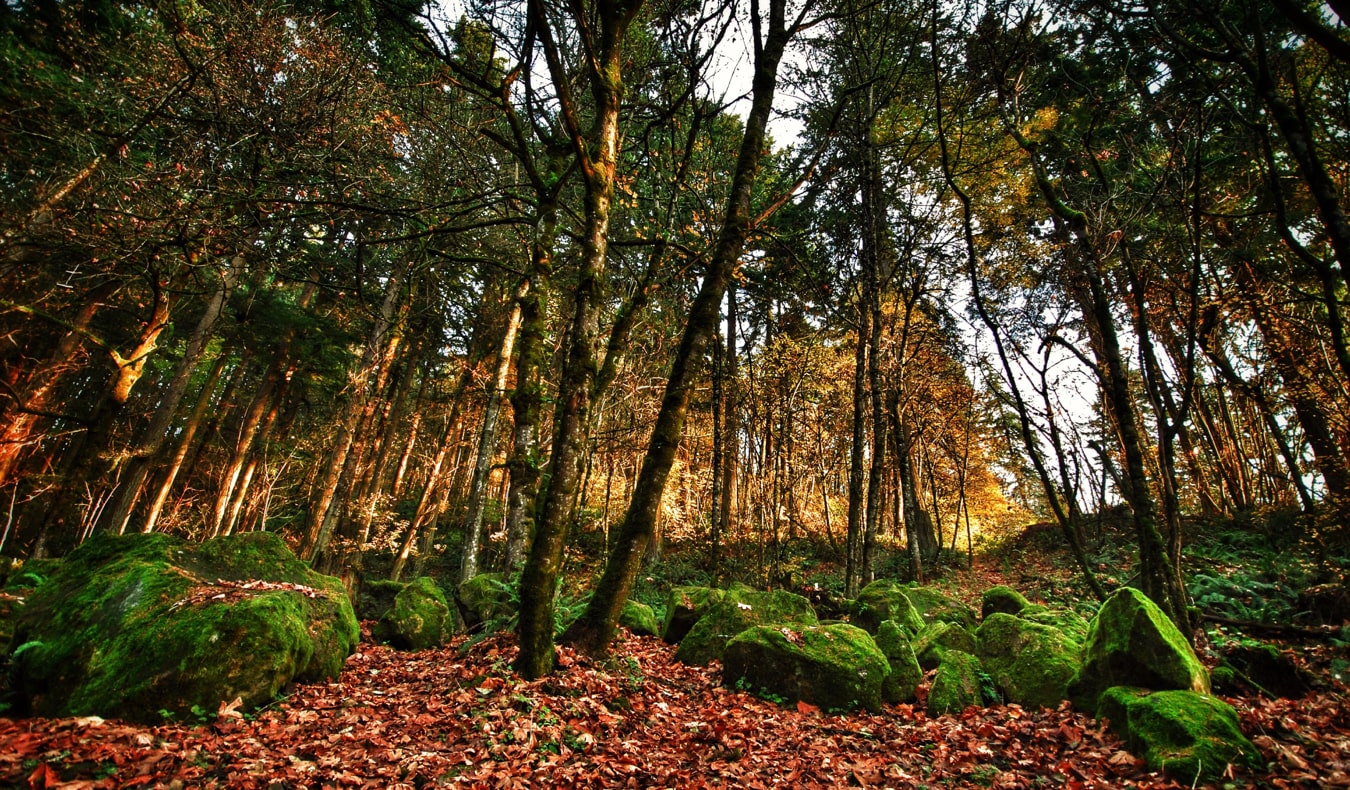
The lush greenery of Forest Park in Portland, Oregon
Forest Park is one of the nation’s largest urban parks. Covering a sprawling 5,000 acres, it’s home to over 70 miles of hiking and biking trails. There are over 100 species of birds here, as well as 62 different species of mammals. It’s also home to the Witch’s Castle, an abandoned stone building covered in moss. (It has no connection to witches. The name came from students who used to use the site for secret parties in the 1980s).
 

4. Browse at Powell’s City of Books

This is the largest independent and used bookstore in the world, home to over a million books. Established in 1971, it has 3,500 different sections and buys over 3,000 new and used books each and every day. If you’re a book lover like me, you could easily spend a good chunk of time here. There’s also a café (World Cup Coffee and Tea House), so you can grab a coffee or tea and cozy up with your new purchases.

1005 W Burnside St, +1 800-878-7323, powells.com/locations/powells-city-of-books. Open daily 9am–10pm.
 

5. Devour Delicious Donuts

Tasty donuts from Voodoo Doughnut in Portland, Oregon
Portland is known for its donuts. If you Google the city or search for it on social media, donuts will inevitably pop up. Voodoo Doughnut put the city on the map with its weird and wonderful combinations, such as Cap’n Crunch or maple bacon. It also makes cream-filled phallic donuts as well — so you can see why it’s become a quirky staple of the city.

Some locals might argue that Voodoo is for tourists, preferring donuts from Blue Star instead. You can’t go wrong with either choice. Why not try both and see for yourself. You only live once, after all!
 

6. Wander the International Rose Test Garden

Home to over 10,000 rose bushes and 650 varieties, this garden is where many companies test new varieties of roses (some are tested here years before they are commercially available). It’s the oldest rose test garden in the country. It also hosts an annual competition for the city’s best rose. The roses are in bloom between April and October, though there is also an amphitheater here that holds all kinds of events, such as classical music performances and plays. Don’t miss the Shakespeare Garden, which only has types of roses referenced in Shakespeare’s plays.

400 SW Kingston Ave, +1 503-823-3636. Open daily 5am–10pm. Admission is free.
 

7. See the Japanese Garden
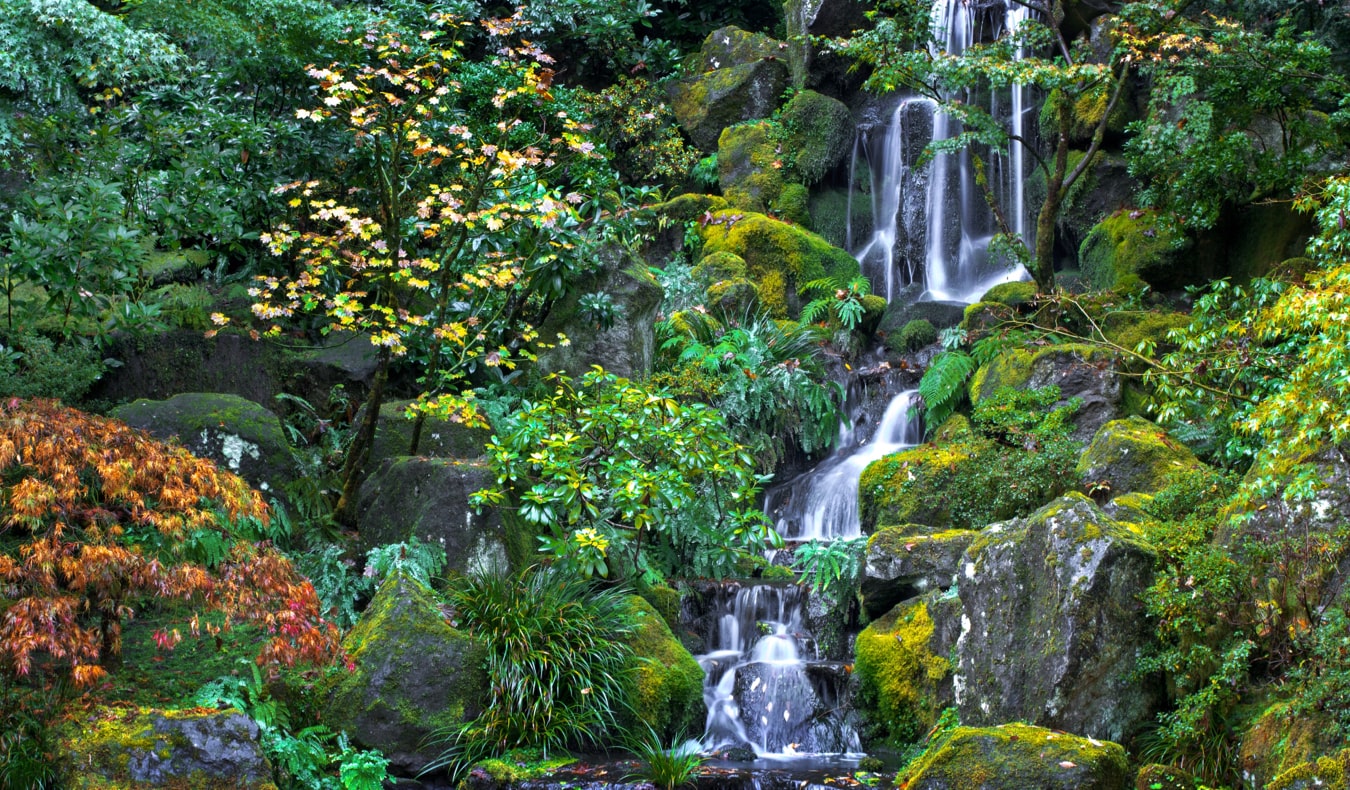
A beautiful waterfall in the Japanese Garden in Portland, Oregon
Located near the Rose Test Garden, these Japanese gardens were created in the 1960s as a symbol of peace between World War II adversaries. Today, it’s considered the best Japanese garden outside of Japan. Spanning 12 acres, it contains traditional gazebos, waterfalls, ponds, Zen sand gardens, and lots of walking paths. It’s super relaxing and serene and beautiful all year round, though it’s particularly stunning in the autumn when the leaves are changing. It receives no funding from the city, so it’s not cheap, but if you want to escape the city for a while, then it’s worth every penny.

611 SW Kingston Ave, +1 503-223-1321, japanesegarden.org. Open daily 10am–7pm (12pm–7pm on Mondays). Admission is $18.95 USD
 

8. Visit The Freakybutture Peculiarium and Museum

If you’re looking for something decidedly weird and unconventional during your trip, visit The Peculiarium. This creepy emporium is full of all kinds of weird drawings and souvenirs, gag toys, unknown oddities in jars, and even a giant Bigfoot statue. There are fake severed body parts (which are super lifelike), and they also serve fresh-baked cookies…with bugs, scorpions, and mealworms inside and on them.

The city’s slogan is “Keep Portland Weird.” This place reflects that perfectly.

2234 Northwest Thurman Street, +1 503-227-3164, peculiarium.com. Open Tuesday–Sunday 11am–7pm. Admission is $5 USD. Not suitable for kids.
 

9. Take a Food Tour

If you’re a foodie like me, you can’t visit Portland without taking a food tour. You’ll get to sample some of the city’s best food, learn about its culture and history, and meet other foodie travelers like yourself. It’s the best way to get the culinary lay of the land before you head off on your own to eat your way around town.

Forktown offers a few different food tours focused on different cuisines and regions of the city. It will give you a solid overview of what tasty offerings Stumptown can dish up.

Tours last around three hours and cost $89 USD per person.
 

10. Relax at Laurelhurst Park or Washington Park

Portland has tons of green space to relax in and enjoy. Laurelhurst Park was designed by the same team that designed Central Park in New York. It has a laid-back atmosphere and is popular with locals and visitors alike. There’s a duck pond, bike paths, and the off-leash dog area.

Washington Park is another great choice if you’re looking to lounge with a book and enjoy the weather. The park contains memorials for the Korean and Vietnam Wars, the Holocaust, and the Lewis and Clark expedition, and also offers beautiful vistas of Portland and Mt. Hood.
 

11. Indulge at the Food Trucks

A line of food trucks and street food stalls in Portland, Oregon
One of the most important elements of the Portland food scene is its food trucks. The food trucks are a huge part of the local culture, and you can find pretty much every cuisine and every price point too. There are over 600 food trucks in the city, and they’re usually gathered in small pods so you can sample a few different ones without having to go far.

You can find plenty of tasty options on Fifth Ave, Third Ave, and at the food pods (food truck lots) at Cartopia and Hawthorne Asylum. Some of my favorites are MF Tasty, Burger Stevens, Hapa PDX Ramen, and Desi PDX.
 

12. Visit the Portland Art Museum

Opened in 1892, this is the oldest art museum in the Pacific Northwest. It’s also one of the oldest galleries in the country too (the seventh oldest to be exact). It’s home to over 42,000 items, from contemporary art to Native American works to Asian art and everything in between. There are permanent exhibitions, rotating temporary galleries, and an outdoor sculpture park. There’s a lot of variety here, so be sure to check the website to see what’s on during your visit.

1219 SW Park Ave, +1 503-226-2811, portlandartmuseum.org. Open Tuesday–Sunday 10am–5pm (8pm on Thursdays and Fridays). Admission is $20 USD and free on the first Thursday of the month from 5pm to 8pm.
 

13. Drink Some Beer

Portland is one of the beer capitals of America. There are over 75 microbreweries in the city — more than any other city on earth — and Portlandians take their beer seriously. The craft beer movement started here back in the ’80s, well before it caught on elsewhere. Many breweries have their own tours, as well as their own restaurants, so you can enjoy a pint and a bite to eat. Many offer tours, and there are also multi-brewery tours from companies like City Brew Tours. If you’re a craft beer aficionado, be sure to indulge (responsibly).
 

14. Hike the Columbia River Gorge
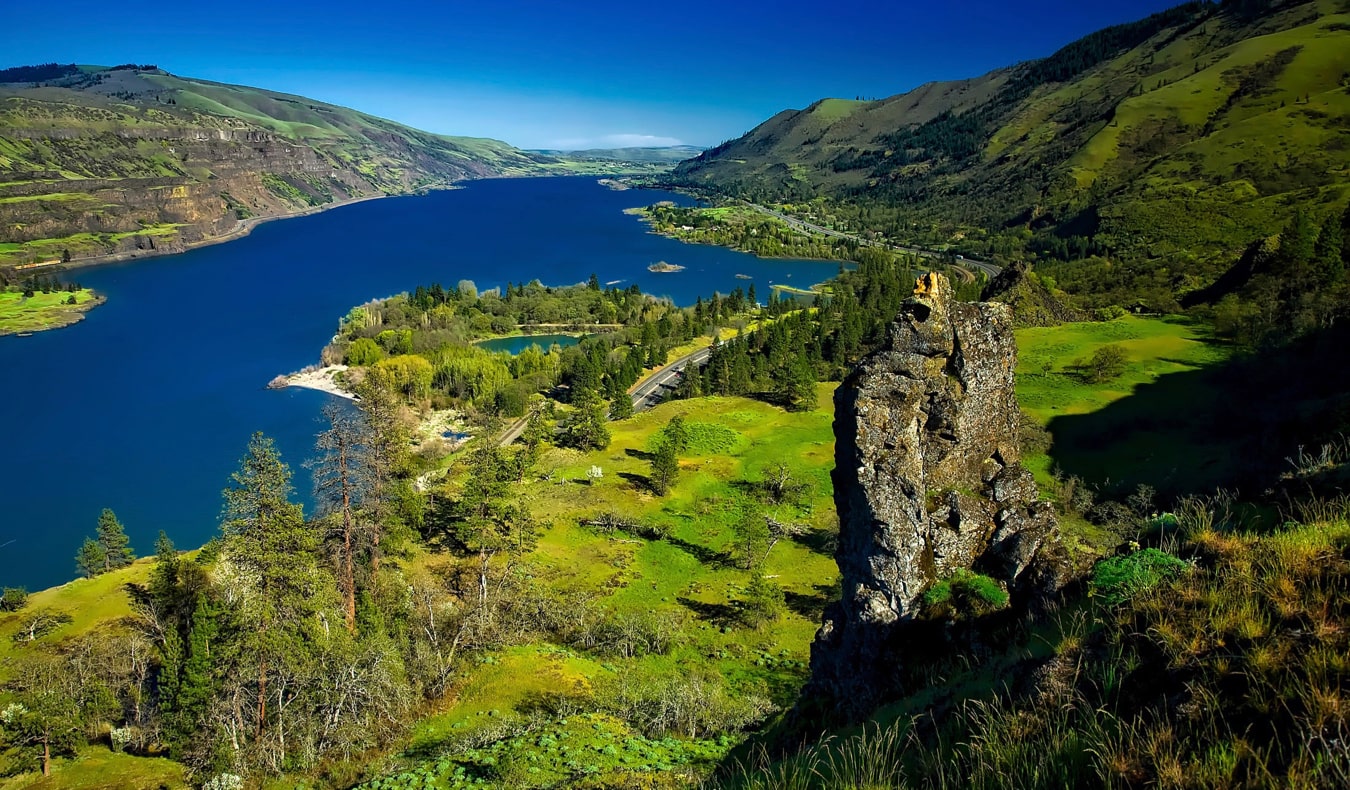
A scenic vista overlooking the Columbia River Gorge near Portland, Oregon
If you’re looking to get out of the city and stretch your legs, head to the Columbia River Gorge. Located east of the city, it is home to waterfalls, scenic vistas, and hiking trails. It’s the largest National Scenic Area in the country and makes for a nice place to spend a day. Oregon’s tallest waterfall, Multnomah Falls, can be found here, as well as a hundred-year old observatory that offers up views of the surrounding picturesque landscape.

Some suggested hikes are Dry Creek Falls (easy, 2 hours), Wahkenna Falls Loop (moderate, 3 hours), and Starvation Ridge and Warren Lake (hard, 8 hours). You can reach the gorge with a vehicle in around 30 minutes, but there’s also a daily shuttle for $20 USD (round trip) in case you don’t have a car.

***

Portland is one of my favorite American cities. It’s fun, eclectic, and energetic, and it has a lot to offer (especially if you’re a foodie or craft beer lover). It deserves far more attention than it gets — from domestic and international travelers alike. If you find yourself in the PNW, be sure to spend a few days here. Your tastebuds will thank you!

Book Your Trip to Portland: Logistical Tips and Tricks

Book Your Flight
Find a cheap flight by using Skyscanner or Momondo. They are my two favorite search engines, because they search websites and airlines around the globe, so you always know no stone is being left unturned.

Book Your Accommodation
You can book your hostel with Hostelworld, as it has the largest inventory. If you want to stay somewhere other than a hostel, use Booking.com, as it consistently returns the cheapest rates for guesthouses and hotels.

Don’t Forget Travel Insurance
Travel insurance will protect you against illness, injury, theft, and cancellations. It’s comprehensive protection in case anything goes wrong. I never go on a trip without it, as I’ve had to use it many times in the past. I’ve been using World Nomads for ten years. My favorite companies that offer the best service and value are:

Looking for the best companies to save money with?
Check out my resource page for the best companies to use when you travel! I list all the ones I use to save money when I travel — and I think they will save you time and money too!

Photo credits: 2 – A.Davey, 4 – jellybeanz, 6 – Jim Choate, 7 – Daderot

The post 14 Things to See and Do in Portland, Oregon appeared first on Nomadic Matt's Travel Site.


October 17, 2020 at 01:06PM

fom https://ift.tt/3k2vO5b
by IHholiday Travel trip

jueves, 15 de octubre de 2020

13 Ways to Improve Your Travel Writing

a writer writing in a fresh notebook
Updated: 10/15/20 | October 15th, 2020

To me, the crux of all online endeavors is good writing. With so many blogs out there, if you can’t write engaging stories, you’ll never get anywhere! So today, I want to introduce one of my favorite travel writers, David Farley, who is going to share his writing tips for fellow bloggers and writers out there!

I always thought that once I started writing for glossy travel magazines, I could relax a bit because I’d “made it.”

Nope!

Then I thought that once I began penning pieces for the New York Times, I could say I was successful.

Not. At. All.

OK, maybe when I had a book out, published by a major publishing house, things would get a bit easier for me. I wish!

Writers, in some ways, are a sorry lot. Rarely do they ever look at something and say “perfect!” Maybe for a moment — but give a writer a day and he or she will come back to that same article and find dozens of mistakes. Writing is a craft you never perfect.

We’re always striving to be better. Creatives tend to be perfectionists. Writing requires you to keep learning and improving.

But that’s good because that drive makes writers improve their work. And only through practice and effort do we end up with the Hemingways, Brysons, Gilberts, and Kings of the world.

If you’re a travel blogger, you probably started off not as a writer with a journalism background but as a traveler looking to share your experience. You probably didn’t have any formal training or someone to peer over your shoulder and give you advice.

So today I wanted to share some tips to help you improve your travel writing or blogging. Because the world always needs good writers — and good writing helps get your story heard more!

These tips, if followed, will better your writing and make a huge difference in the reach of your writing!
 

1. Read

This is number one. because whenever a budding writer asks me how they can improve, it’s my first piece of advice. Read good writing. Absorb it. Let it sink into your soul. When I was first starting out, I was sick one weekend, so I spent three days lying in bed reading every page of that year’s Best American Travel Writing anthology. After I finished, I opened up my laptop and started writing for the first time in days. What came out surprised me: it was the highest-quality writing I’d done to date. And it was all because I was absorbed in good writing and it filtered through me back onto the page in my own writing.

(Matt says: Here’s a collection of some of my favorite travel books that can inspire you. I also have a monthly book club you can join!)
 

2. Do it for love

Maya Angelou wrote, “You can only become truly accomplished at something you love.” Don’t get into travel writing for the money — after all, that would be totally unrealistic. And please don’t gravitate to the genre because you want free trips and hotel rooms. “Instead,” Ms. Angelou added, “do [it] so well that people can’t take their eyes off of you.” Or, in other words, strive to become such a good writer that the editors of all the publications you have been dreaming to write for can’t ignore you anymore.
 

3. Don’t be attached to linear writing

You need not compose a piece from beginning to middle to end. Sometimes that’s not the ideal structure of the story. Sure, maybe you’ve already figured that out. But if not, it’s OK to just get a few scenes and paragraphs of exposition down “on paper.” Then you can step back and take a look at the bigger picture and rearrange what you have, figuring out the best way to tell the story.
 

4. Tap into your own sense of motivation and drive

The students of mine at New York University who have been most successful were not always the most talented in the class. But they were the most driven. They’d read enough quality writing and thought about it — understanding what made it so wonderful — that there was just something about writing that they got. They weren’t born with that understanding, but ambition drove them to seek out better writing and then to think about it, to analyze what made it good (or not so good).

Drive also inspires future successful writers to go out on a limb, to render themselves vulnerable, by reaching out to more accomplished writers to ask for advice, or by introducing themselves to editors at events or conferences. Don’t be shy! Standing in the corner quietly won’t get you as far as putting your hand out to introduce yourself will.
 

5. Try to figure out what gets your mind and writing flowing

Let me explain: I can sit down at my laptop and stare at a blank Word document for hours, not sure how to start a story or what to write about. Then I’ll respond to an email from a friend who wants to know about the trip I’m trying to write about. I’ll write a long email with cool and interesting anecdotes about my experience and include some analysis of the place and culture. And then I’ll realize: I can just cut and paste this right into the empty Word doc I’ve been staring at for the last three hours!

Several of my published articles have blocks of texts that were originally written as parts of emails to friends. The “email trick” might not work for everyone, but there is inevitably some trick for the rest of you — be it talking to a friend or free-associating in your journal.
 

6. Understand all aspects of storytelling

There are two types of travel writing: commercial and personal essay (or memoir). In commercial travel writing, you should make the various parts of the story an intrinsic aspect of your knowledge: from ways to write a lede to the nut graph, scenes, exposition, and conclusions. For memoir and personal essays, know what narrative arc means like the back of your typing hands. It helps to get an intuitive understanding of these things by paying attention to writing — to reading like a writer — as you read nonfiction (and travel) articles.
 

Quick Note: If you’re looking to improve your writing, David and I created a detailed travel writing course. Through video lectures and deconstructed stories, you’ll get the course David taught at NYU and Columbia – but without the price. It comes with monthly calls as well as edits and feedback on your writing! If you’re interested, click here to learn more.


7. Don’t stress if your first draft is shit

Ernest Hemingway said, “The first draft of anything is shit.” And he wasn’t kidding. I find this true when I’m writing a personal essay or travel memoir. I write and I write and I write, and I’m not exactly sure what I’m putting down on paper.

What’s the point of this? I ask myself.

Why am I even doing this?

But here is where patience comes in: eventually, the clouds part, the proverbial sunbeam from the heavens shines down on our computer monitors, and we see the point of it all: we finally figure out what it is we’re writing and how to best tell that story. It just happens like magic sometimes.

And not all at once: sometimes it’s bit by bit, like putting together a jigsaw puzzle. But as I mentioned, patience is key, because we never know when that divine magic is going to be activated. But sit around long enough and it will happen, I promise you. (Just be cautious when taking Hemingway’s other writing advice: “Write drunk, edit sober.”)
 

8. Write what you know

“Start telling the stories that only you can tell,” said writer Neil Gaiman, “because there’ll always be better writers than you and there’ll always be smarter writers than you. There will always be people who are much better at doing this or doing that — but you are the only you.”
 

9. When you’re finished with a draft, read it out loud

Preferably, print it out and read it out loud. This will allow you to better hear how the piece sounds, and unacceptable segues and clunky sentences or turns of phrases will jump out at you in a more obvious way.

For longer stories or books, it can also be good to print out your story and line edit it the old fashioned way. This way you see the story on paper and as a reader. You can pick up a lot more mistakes and errors when you do this.
 

10. Always get another set of eyes on your writing

While all writers make mistakes, it’s harder to spot them without an editor. Editors are very important, but they don’t necessarily have to be someone with formal training. While hiring a copyeditor is always great, getting a friend to read your blog or story can be just as good. You don’t always see the forest through the trees and having another set of eyes is ultra-important to the writing process.

Matt says: I like having someone who doesn’t know about travel read my drafts. I have a friend who doesn’t travel much who reads my blog posts because she helps me make sure I include the important details I might have skipped. When you’re an expert on something, you often fill in the blanks in your mind. You go from A to C automatically; step B becomes subconscious. Getting someone who doesn’t know the steps will help ensure you include explain everything in your post and don’t leave your readers going, “Huh?”
 

11. Learn to self-edit

This is where many people go wrong. They write, they read it over, they post. And then feel embarrassed as they say, “Oh, man, I can’t believe I missed that typo.” You don’t need to be a master editor, but if you follow a few principles, it will go a long way: First, write something and let it sit for a few days before editing.

After your first round of edits, repeat the process. Get another set of eyes on it. Print out a checklist of grammar rules to go through as you edit.

As you review your work, say to yourself, “Did I do this? Did I do that?” If you follow a cheat sheet, you’ll catch most of your mistakes and end up with a much better final product!
 

12. Improve your endings

The two most important parts of any article or blog post are the beginning and the end. Endings matter more than you think. They are the last thing people remember about your story. This is where you can really hit home your point and leave the reader captivated. An average story can be saved by a solid ending. Spend some time working on a conclusion that connects the dots and leads to some sort of resolution.

All stories need an ending. Think of your favorite stories – and your least favorite ones. The ones with the great endings are probably the ones you remember the most.
 

13. Aim for progress, not perfection

All too often, I hear from students that they don’t want to hit publish on a post or submit a piece because it’s not perfect. They want to keep tinkering, keep editing. While you definitely want to make sure your work is the best it can be, at the end of the day, perfection is the enemy of progress. If you keep waiting for every single word to be perfect you’ll be editing forever.

When it comes to blog posts, learn to accept good enough. Hit publish when it’s good enough.

Don’t wait for perfection because it rarely comes. Accept your best, and move on. Otherwise, you’ll be tinkering and editing until the cows come home and you’ll never get anywhere.

Writing is a craft. It takes time. It takes practice. Aim for progress, not perfection.

***

Writing is an art form. It takes a lot of practice. When you’re a blogger out on your own, it can be harder to improve your work, because you don’t have an experienced voice giving you tips and advice and pushing you to be better. If you don’t take it upon yourself to be better, you never will be. However, even if you aren’t blessed to work under an editor, these 11 tips can help you improve your writing today and become a much better blogger, writing stories people want to read!

David Farley has been writing about travel, food, and culture for over twenty years. His work has appeared in AFAR magazine, the New York Times, the Washington Post, Condé Nast Traveler, among other publications. He has lived in Prague, Paris, Rome, and now New York City. He is the author of An Irreverent Curiosity and was a host for National Geographic.
 

HEY THERE! If you’re looking for even more, David and I created a detailed travel writing course to help take your writing to the next level. Through video lectures and examples of edited and deconstructed stories, you’ll learn how to improve your writing as well as get:
  • Monthly calls with David
  • Edits and feedback on your writing
  • Sample pitch templates
  • Sample book proposals
  • A private Facebook group where we share job opportunities.

If you’re interested, click here to learn more. 


Book Your Trip: Logistical Tips and Tricks

Book Your Flight
Find a cheap flight by using Skyscanner or Momondo. They are my two favorite search engines because they search websites and airlines around the globe so you always know no stone is left unturned.

Book Your Accommodation
You can book your hostel with Hostelworld. If you want to stay elsewhere, use Booking.com as they consistently return the cheapest rates for guesthouses and cheap hotels.

Don’t Forget Travel Insurance
Travel insurance will protect you against illness, injury, theft, and cancellations. It’s comprehensive protection in case anything goes wrong. I never go on a trip without it as I’ve had to use it many times in the past. I’ve been using World Nomads for ten years.

My favorite companies that offer the best service and value are:

Looking for the best companies to save money with?
Check out my resource page for the best companies to use when you travel! I list all the ones I use to save money when I travel – and I think will help you too!

The post 13 Ways to Improve Your Travel Writing appeared first on Nomadic Matt's Travel Site.


October 15, 2020 at 02:42PM

fom https://ift.tt/2J006Dk
by IHholiday Travel trip
jueves, 8 de octubre de 2020

9 Ways to Explore the Caribbean Sustainably

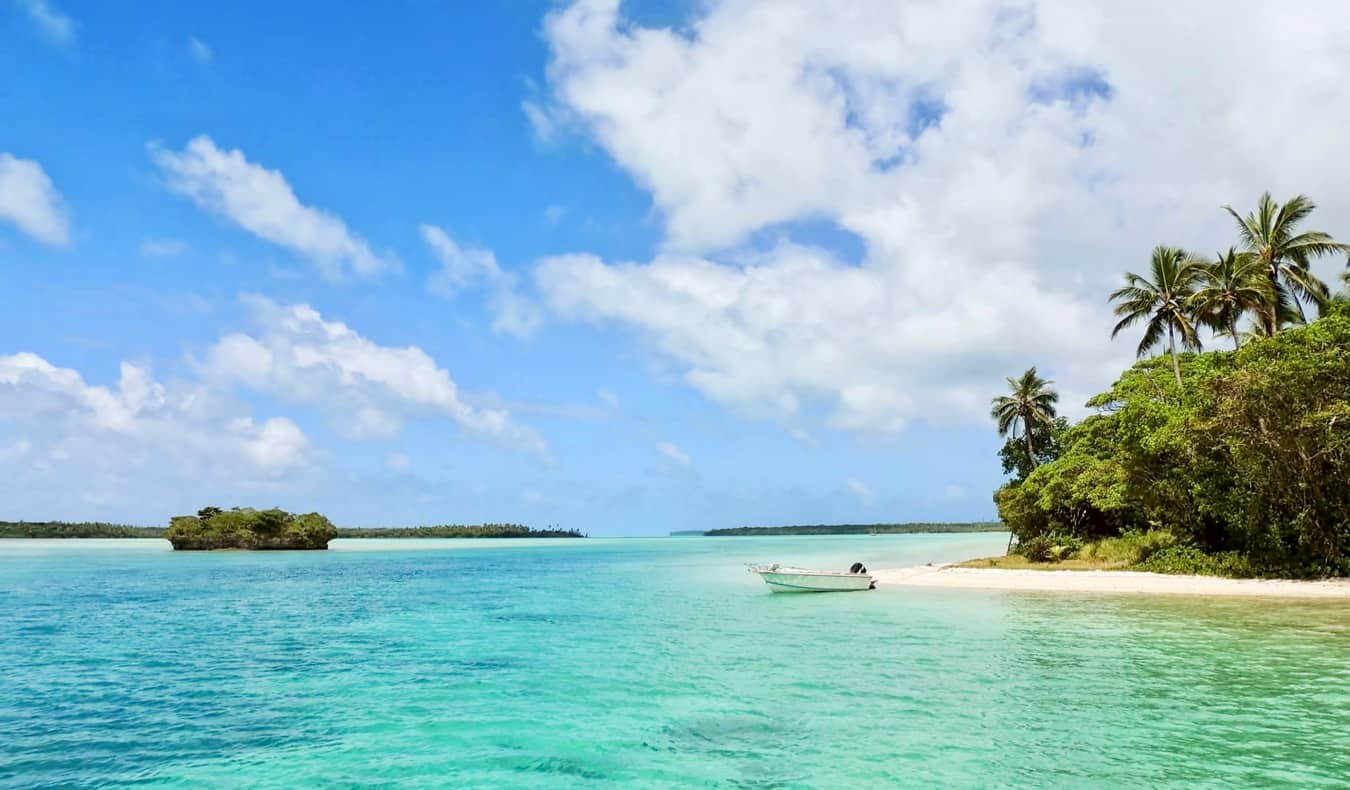
A beautiful white-sand beach in the Caribbean
Posted: 10/8/20 | October 8th, 2020

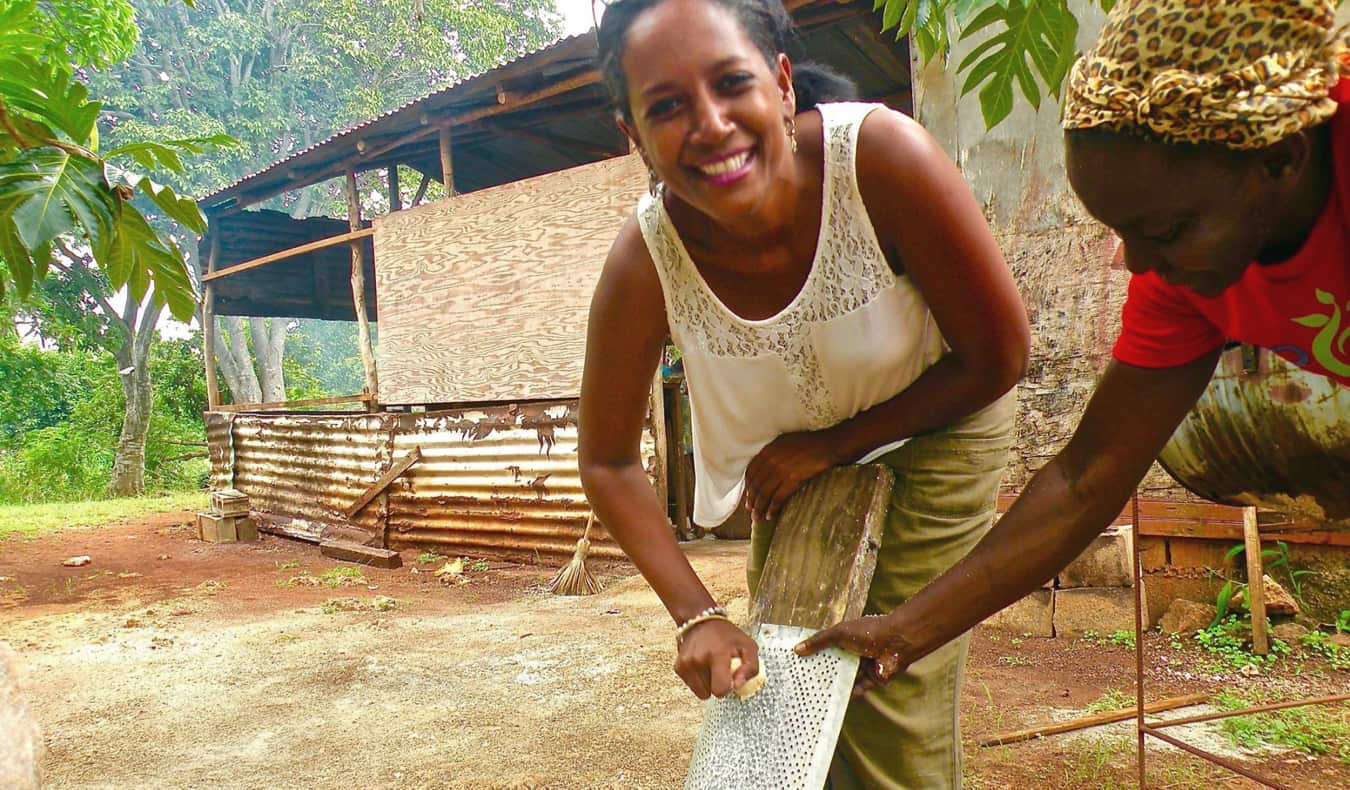
Lebawit Lily Girma is an award-winning journalist who has been living in the Caribbean since 2008. In this guest post, she shares her tips and advice for exploring the Caribbean in an ethical and sustainable way while benefitting the local communities that call the islands home.

In 2005, I went on my first Caribbean vacation. I chose Saint Lucia, and like a typical first-timer, I stayed at an all-inclusive resort. Over the course of three weeks, I was awestruck by the color of the Caribbean Sea, the beautiful beaches, and the natural splendor of this region.

But I realized that what moved me the most were the cultural reminders of my childhood in West Africa: the plantain dishes and chicken stews, the tropical gardens filled with hibiscus and palms, the drumming and soca beats, and the warmth of the locals. Three years later, I packed my bags, left my corporate legal career behind, and hit the road with dreams of becoming a travel writer and photographer in the Caribbean.

With over 20 islands and hundreds of beaches a short flight away from North America, it’s easier than ever to go for a Caribbean escape. Even today, in the midst of a global pandemic, the Caribbean Islands are among the safest and the most tempting destinations for Americans and Canadians seeking an escape route near home. The region overall has had a lower rate of COVID-19 infections compared to the rest of the world, primarily thanks to the majority of Caribbean countries being separated from their neighbors by water.

But here’s what most people may not realize or spend much time thinking about: the Caribbean is also the most tourism-dependent and vulnerable region in the world. Of the top 10 global destinations that are most dependent on tourism for jobs, eight are in the Caribbean. This region has also suffered the negative impacts of mass tourism — both the continuous, unabated development of large, foreign-owned all-inclusive resorts in coastal areas and the expansion of cruise tourism have created serious environmental and socioeconomic issues.

For instance, large resorts have exacerbated coastal erosion as a result of being built too close to the shoreline, and they’ve also caused a shortage of commodities in surrounding communities, including power and water, as the average tourist’s use of these resources is higher than a local’s daily usage. In the past, cruise lines have also caused increased plastic pollution and engaged in illegal dumping in the Caribbean.

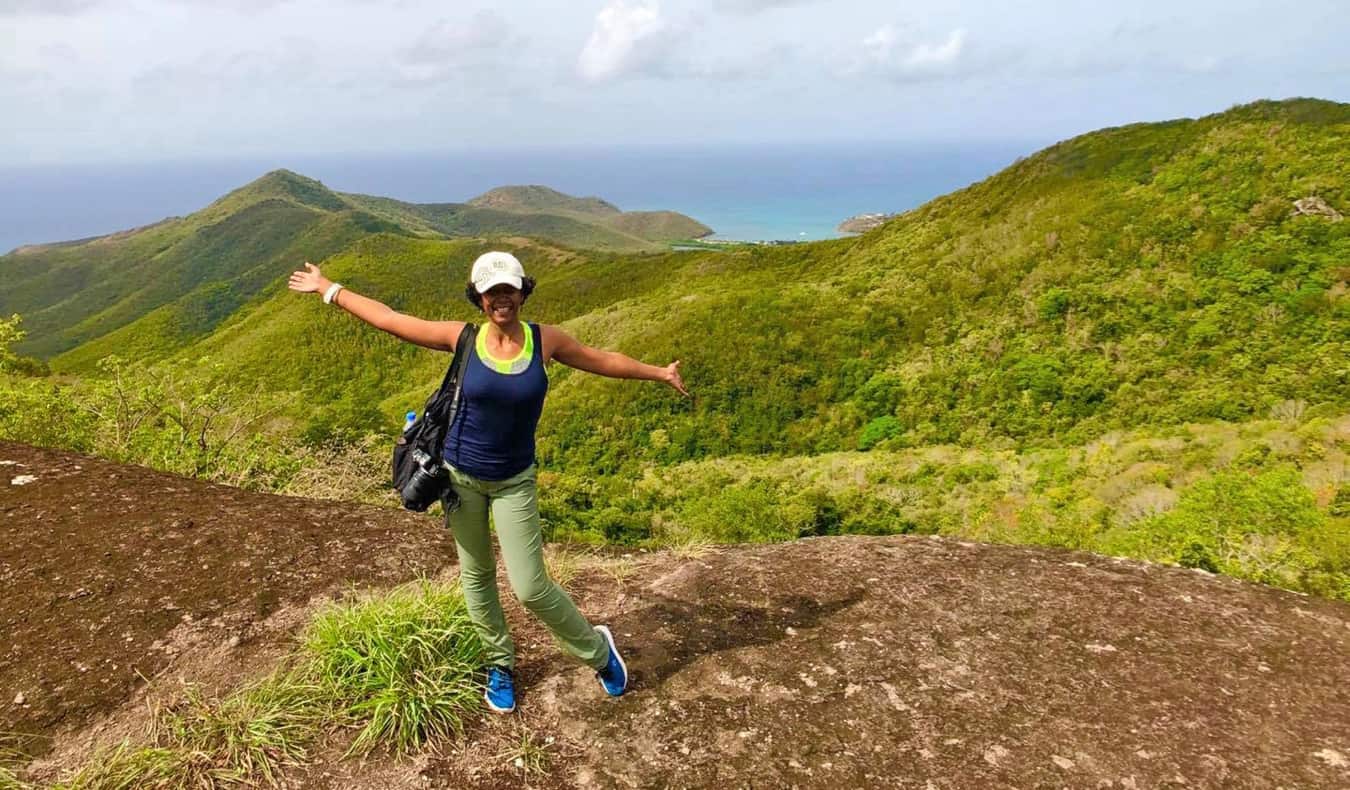
Lily Girma, a travel writer, hiking in the Caribbean

To boot, climate change is hitting the Caribbean islands the hardest. The World Tourism and Travel Council has predicted that the Caribbean will become the most at-risk tourism destination in the world between 2025 and 2050. Studies have also shown that rising sea levels will put at least 60% of resorts at risk by 2050. In turn, warmer temperatures and increased carbon dioxide in the atmosphere have led to coral bleaching and ocean acidification, affecting the Caribbean’s reefs.

Perhaps the greatest threat of all is the lack of significant trickle-down economic benefits from tourism to locals because most visitors stay in all-inclusive resorts or book tours with foreign-owned companies. Did you know that an online all-inclusive resort booking translates into 80% of those vacation dollars going directly to a foreign corporation overseas — not to the local economy — before the traveler even sets foot in the destination?

What does this all mean? That every decision you make during your Caribbean trip, from supporting a hotel that uses solar power and recycles water to the type of tour operator you choose and reef-safe sunscreen you pack, has a huge impact.

Today, with the economic crisis the Caribbean is facing compounded as a result of the pandemic, it’s become imperative that we use this time to rethink the way we explore the Caribbean. We need to see the region not as a commodity we use and abuse but as a place that’s home to unique populations in need of preservation and deserving the same amount of protection from overtourism and environmental abuses as any other major destination in Europe.

As independent travelers, we have the power to shift the tide of our favorite tropical vacation region in the years ahead. Enjoy rum, cocktails, and fine sand? That’s fine — while making choices that lead to a healthier, greener, and culture-rich region for years to come, where tourism benefits communities.

Here are nine easy ways you can explore the Caribbean sustainably in the future, once travel fully resumes back to normal.
 

1. Stay at small hotels, community-run guest lodges, or hostels

A swimming pool in a small resort by the ocean in the Caribbean
From hostels and guesthouses to boutique hotels, villas, and rainforest lodges, there are some incredible locally owned places to stay in the Caribbean. Whether you’re into mountains, beaches, or rainforests, these kinds of accommodations are usually run by locals or long-time residents who are eager to immerse you in their communities. This way, you get a more authentic cultural experience, including locally sourced meals and expert local guides that these properties have relied on for years.

You can also find community-run lodging; these are often nature-tucked lodges or guesthouses run by a community group or cooperative members that operate just like privately owned lodges. The income, however, is equally shared among the members while you enjoy an authentic stay — a win-win.

“Staying local” goes a long way toward supporting the local economy, ensuring that your travel dollars reach those who deserve it the most, from the farmer supplying the hotel to the tour guide who gets repeat business.

To find these various types of locally owned or locally invested accommodations, you’ll have to do a little extra research.

First, contact the destination’s tourism board and ask for locally-owned hotel recommendations in the area that interests you; you should also scan their website’s hotel listings.

Second, you can find a handful of special guesthouses and locally run hotels on Booking.com — but take the additional step of searching for the property’s own website for more information and booking directly through it.

Third, depending on the destination, you can find unique local properties listed on TripAdvisor.com, under the “B&B and Inns” category.

Last but not least, you should search for and read local news outlets from or blogs on your destination; these often cover the domestic side of tourism and tend to feature more locally owned properties.
 

2. Bike, walk, or use local transportation

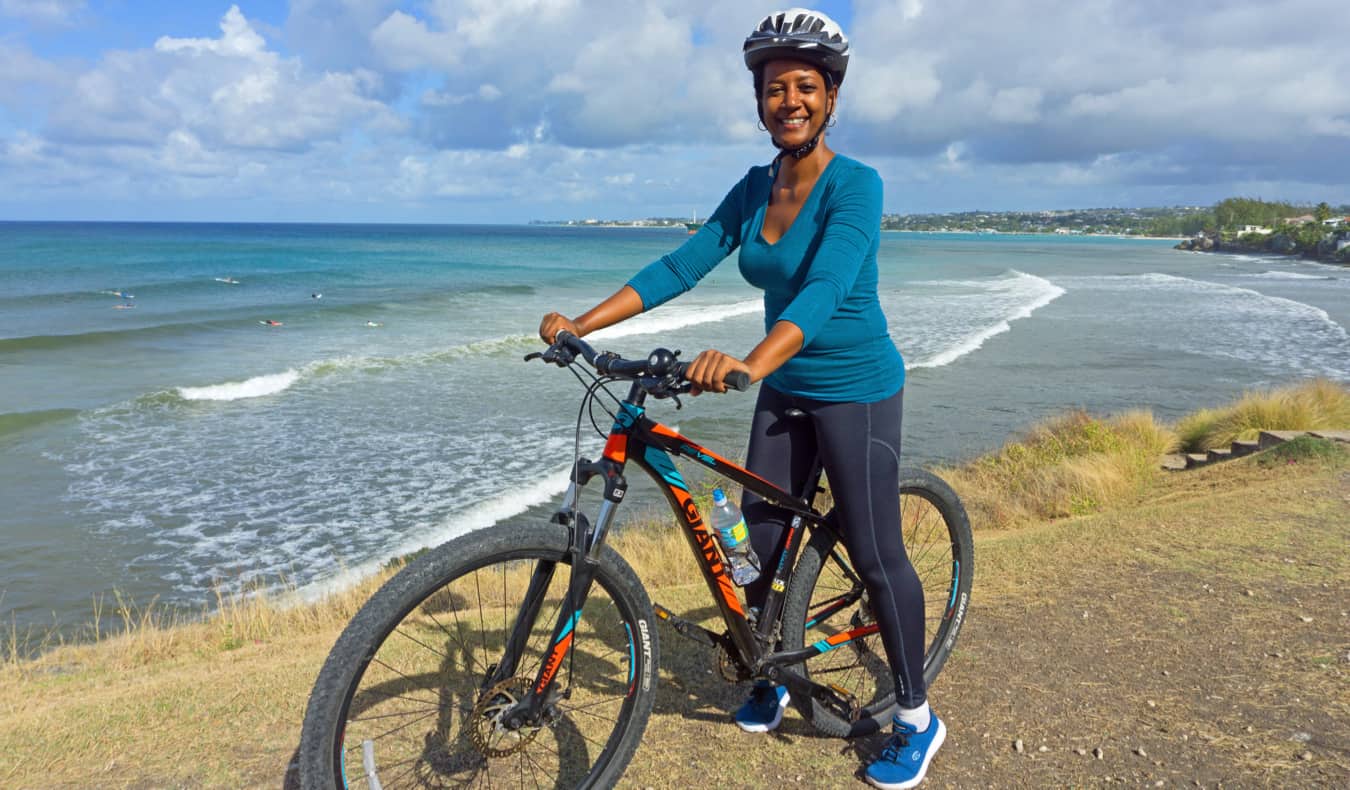
Lily Girma, a travel writer, cycling in the Caribbean
Touring a Caribbean island on two wheels is becoming more popular than ever. On your next visit, swap the safari truck excursions for a biking tour. Bike Barbados is a perfect example; you can rent a variety of bicycles from this shop in St. Lawrence Gap, on the main tourist drag, and escape along Barbados’s diverse coastline before ending up back at the beach. It’s a great way to make local friends, find hidden corners, and discover a different side of the destination. Other established bike tour companies around the Caribbean are:

You can also ask your hotel’s staff if they provide bicycles for rent or for free; if they don’t have any, ask for a local bike shop recommendation.

Getting around by public transportation is also a good way to reduce your footprint and contribute to the local economy. You’ll get a glimpse of island life, see how most people get around, and discover places along the way that you might have missed.
 

3. Take cooking classes, go on food tours, and sign up for cultural experiences

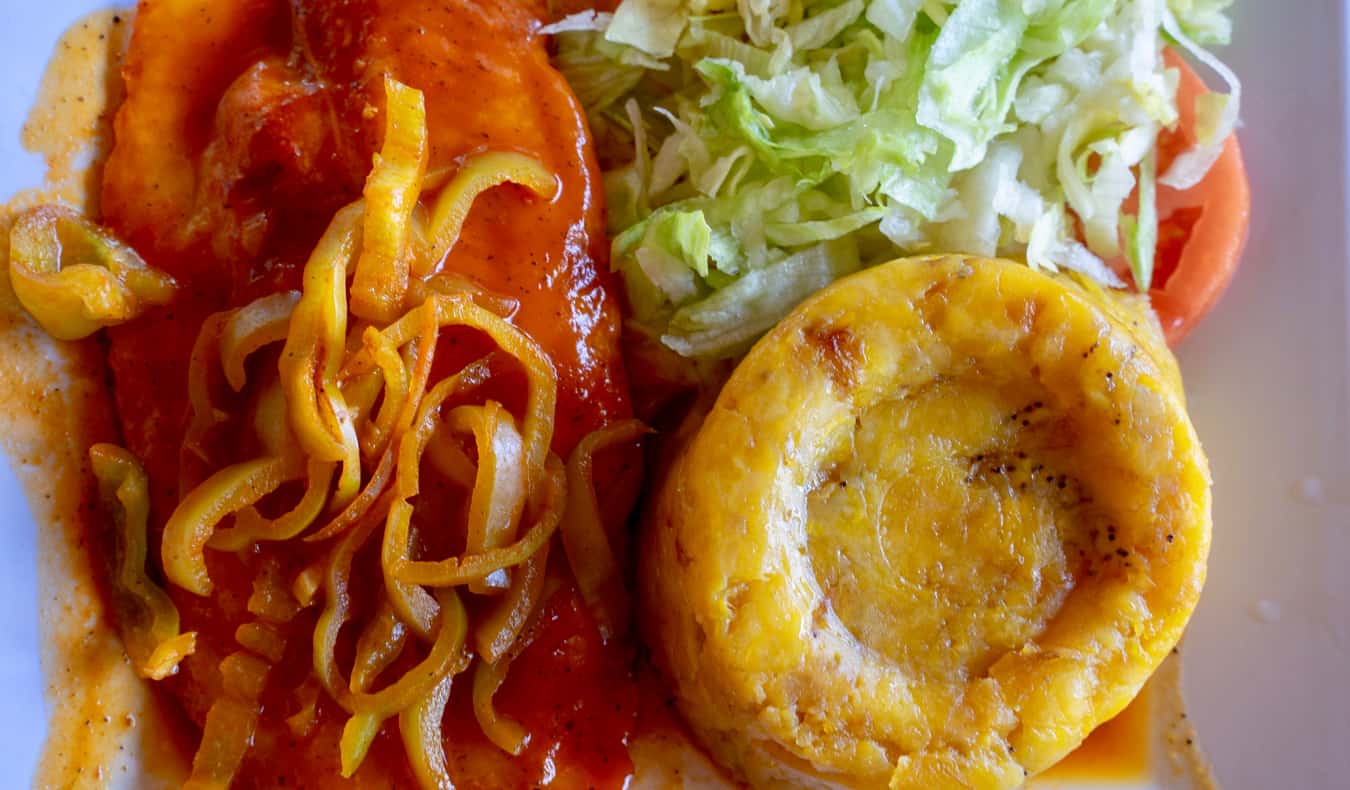
Delicious Caribbean food
What better way to learn about the local cuisine than signing up for a cooking class or hopping on a food tour? Aside from the fun side of tasting new dishes, it’s a great way to support local agriculture in the Caribbean, by pumping your dollars into some delicious food, sourced straight from farmers and chefs’ gardens.

Although over 80% of produce in the Caribbean is imported, the tide has begun turning toward increased food security for locals through growing one’s own food and practicing permaculture principles. Supporting local food production means you’re supporting the country’s efforts in lowering its dependence on exports — which can include genetically modified seeds — while increasing self-sufficiency. This becomes critical when major storms hit or when borders shut down (say, due to a pandemic).

Barbados Food Tours offers a three-hour food walk around historic, UNESCO-designated Bridgetown, while showing you favorite local lunch spots and dishes. Belize Food Tours operates fun evening food tours in San Pedro, as well as cooking classes in a state-of-the-art studio. Other options include Tru Bahamian Food Tours and Trinidad Food Tours.

Another great option for cultural immersion is to find a workshop or tour offered by a community organization or cooperative. One great example of an established cultural, community-run experience is the bomba dance workshop at the COPI Community Center in Loiza, Puerto Rico, just outside of San Juan, where you’ll learn not only bomba moves but also Afro–Puerto Rican history. Beware of tour companies that don’t collaborate with locals and that sell cultural experiences as an “add-on” as a way to attract tourists.

Finding these types of immersive experiences led by community leaders will require additional research: search social media and the internet using keywords such as “X workshop in [destination]” and dig into who is offering the experience.

Subscribing to a sustainable Caribbean travel advocate’s platform is another way of staying in the know, for example, my new See the Caribbean initiative or Sunshine and Stilettos blog, social enterprise Local Guest in Puerto Rico, and the Rose Hall Community Development Organization in Saint Vincent and the Grenadines, among others.
 

4. Visit protected areas and sustainability projects

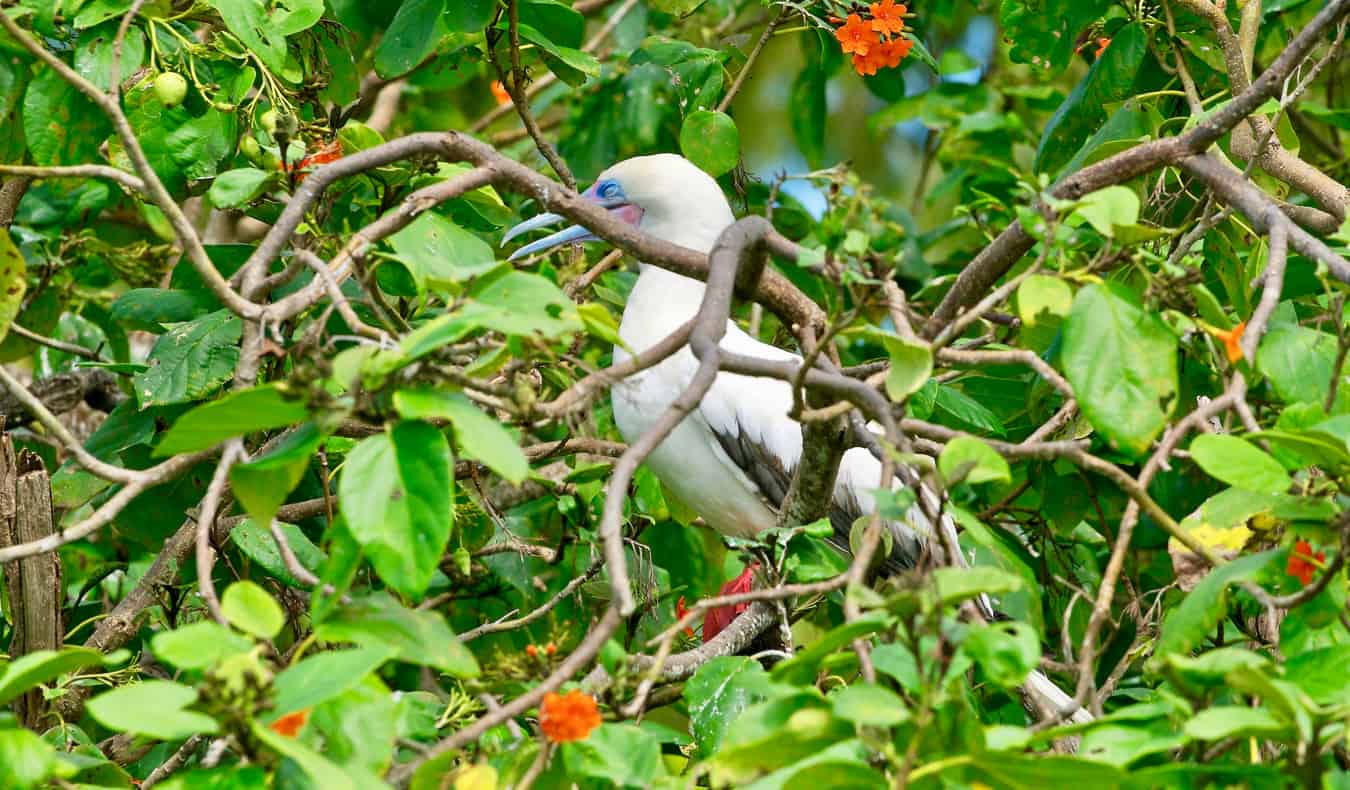
A large sea bird hiding in the brush in the Caribbean
From coral replanting initiatives to regenerative farms to wildlife protection, there are incredible nature conservation projects in the Caribbean. In Belize, for instance, the Belize Audubon Society runs a number of protected areas that are also popular with visitors, including the Cockscomb Jaguar Preserve. There are newly built new cabins on-site for avid birders and naturalists, or anyone looking for a different experience by overnighting in a wildlife-rich protected area. You’ll learn a lot more about the Caribbean’s biodiversity and interact with scientists daily in a way you never would by staying in a regular hotel.

In the Dominican Republic, where protected areas have been at risk in the last decade, your visit to vulnerable national parks — such as Jaragua National Park, the Sierra de Bahoruco, and Valle Nuevo National Park — goes a long way toward supporting the work of local environmental organizations and naturalist guides while you learn about critical wildlife conservation issues.

But how do you go about finding established environmental projects around the Caribbean? The first step is to read about the environmental challenges in the destination(s) you’re visiting. From there, you can look up the most prominent conservation nonprofit organizations on the ground. For instance, the Nature Conservancy’s work in the Caribbean region can be found in the Bahamas, Jamaica, Haiti, and the Virgin Islands, among other locations. The work of the Sustainable Destinations Alliance for the Americas is also a great resource for background information on the Caribbean’s multiple projects.

A destination’s tourism board and hotel association are great sources of information, as they often back and sponsor conservation projects or initiatives. You can also ask your host or hotel for the lesser-publicized yet influential community groups that are doing meaningful work on the ground, from cultural preservation to turtle conservation.

Before you donate funds or rush to volunteer, please consult the tourism board, your hosts, and the local organizations for advice on how you can best use your skills while on vacation, if at all. As a visitor, learning about a country’s environmental and conservation challenges before your trip is far more effective because you’ll get a sense of where to tread lightly and where your tourist dollars are needed the most.

When in doubt, simply make time to visit protected areas and national parks that are open to the public, as your visitor fees contribute to the year-round maintenance and preservation of the area’s biodiversity. Lists of national parks are easily found on tourism board websites.
 

5. Shop local

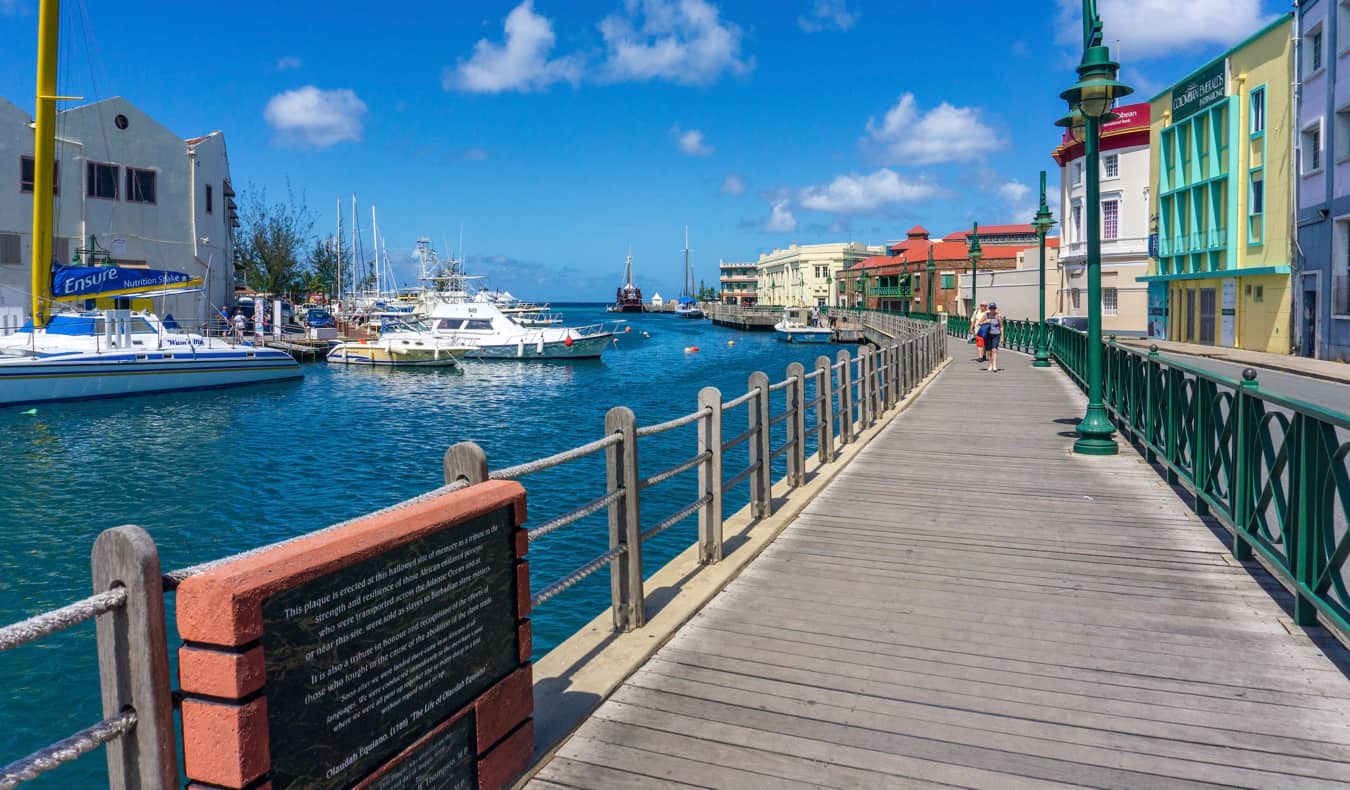
A colorful boardwalk near a small town in the Caribbean
Skip the made-in-China trinkets and find locally sourced, handmade souvenirs. Whether it’s jewelry, textiles, or paintings, the Caribbean is filled with talented and innovative artists. Visit art galleries with on-site botanical gardens like Ahhh Ras Natango Gallery and Garden near Montego Bay, find ceramics at Earthworks in Barbados, and Dominican hand-sculpted art in specialty stores like Galeria Bolos in Santo Domingo’s Colonial City. There are also artist studio workshops and a chance for one-on-one interactions, like taking a Taino pottery class in Puerto Rico, after which you get to take your creation home with you.

Know what grows in the Caribbean destination you’re visiting and then purchase straight from the local factories and stores: coffee, chocolate, tobacco, rum, and spices are among the many choices.
 

6. Eat and buy locally sourced food

Are you planning to cook your own meals and self-cater during your stay? Head to your nearest outdoor market; there’s one in every major town. Go on the busiest market days — Saturdays are usually the best bet — when there are more vendors per shopper and you can learn about local produce so you can cook what’s in season. This might seem simple, but purchasing locally grown produce supports these farmers and small entrepreneurs while preserving the legacy of native plants that grow on the island.

Approach vendors and ask them to point out which fruits and vegetables on their stands are native; there are often local varieties that are worth a taste. Ask what’s in season. I’ve found most market vendors are more than willing to share their knowledge if you’re respectful and interested in buying and cooking local, rather than merely looking for photos.

The same goes with seafood; make sure you ask what fish is in season and what’s temporarily off the market as a matter of law. Knowing the closed seasons for lobster or conch is part of the traveler’s responsibility.

In some destinations, like the Dominican Republic and Jamaica, it’s not unusual to see mobile fruit and vegetable vendors selling out of their vehicle’s trunk or cart and rolling through the neighborhood — take advantage of this, as they offer prices that supermarkets can’t match.

You’ll not only eat healthier by buying local food that’s in season but you’ll also sleep great knowing that you’re contributing in a big way to the country’s food scene and identity.
 

7. Say no to plastic (pack your water bottle, bring bamboo utensils)

Speaking of shopping at local markets or supermarkets, don’t forget to pack a reusable shopping tote when you’re heading to the Caribbean, as well as a reusable water bottle. As in much of the world, plastic is a serious problem on the islands, but it’s exacerbated in the Caribbean because many destinations don’t have recycling capabilities. There are also bamboo utensils you can purchase and bring with you in a post-COVID world.
 

8. Respect cultural celebrations and norms

Locals dancing in a parade in the Caribbean
The festivals and rich cultural celebrations of the Caribbean are one of the best reasons to visit the region’s diverse destinations. But while it’s easy to assume that we’re welcome to attend an event that takes place in the backyard of our resort town — and most events are welcoming of tourists — it’s important to remember that some are actually religious ceremonies or sacred rituals that aren’t for picture-taking or public gazing.

For instance, if you’re heading to the Accompong Town Maroon Festival in January, there’s a sacred ritual that takes place before the festival kicks off; while you may be welcome to watch from a distance, you can’t interrupt or disrupt the ceremony by taking photographs unless you have prior permission from the village leaders. Similarly, not all Garifuna cultural rituals in Belize are for tourists and cameras. Wherever you end up, be respectful at all times and make sure to ask if you’re welcome before joining.
 

9. Stay longer and travel slow

Locals working together in the Caribbean
Even though weekend escapes and weeklong vacations are the norm for visitors to the Caribbean, this region is actually an ideal corner of the world to explore slowly over a period of months. If you’re able to work remotely and live like a digital nomad, you’ll get the chance to see beyond the similarities of the Caribbean’s multiple islands and appreciate their uniqueness, from topography and cuisine to music and history. Slowing down also reduces your footprint while taking you deeper into the fabric of Caribbean society, so you’ll get to see just how complex and intriguing this part of the world can be beyond the surface attractions of lovely beaches and tasty piña coladas. And that’s when the real adventure begins!

***

Whether you’ve wondered in the past how to explore the Caribbean sustainably and approach it with authenticity, or you’re now rethinking it as a result of the pandemic, these nine ways will put you well on the path of experiencing this diverse region on a deeper level, while minimizing your impact as a tourist.

There’s a popular saying we love to repeat in this part of the world: “Life needs the Caribbean.” But the Caribbean also needs you — to immerse yourself in its destinations slowly and sustainably, with the intention of learning about its diverse cultures, supporting the local economy, and protecting the environment while rethinking where you place your vacation dollars.

It’s as easy to make vacation choices that have the power to be transformative — for you, for Mother Nature, and for those with whom you come into contact — by using the above sustainable travel principles. The Caribbean is a fun, vibrant region that deserves mindful, experiential travelers as much as other beautiful regions around the world. I hope that when travel resumes, you’ll become one of them!

Lebawit Lily Girma is an award-winning Ethiopian-American travel journalist and photographer who has lived in various parts of the Caribbean region since 2008. Her work on sustainable travel and the Caribbean has been featured in AFAR, Forbes, Sierra, Delta Sky, and Lonely Planet, and on the BBC, CNN, and Oprah, among other outlets. She is the founder of See the Caribbean, a new platform showcasing future, impact-driven ways to explore the Caribbean region through nature, heritage, and community. Lily is currently based in Santo Domingo, Dominican Republic.

Book Your Trip to the Caribbean: Logistical Tips and Tricks

Book Your Flight
Find a cheap flight by using Skyscanner or Momondo. They are my two favorite search engines because they search websites and airlines around the globe so you always know no stone is left unturned.

Book Your Accommodation
You can book your hostel with Hostelworld. If you want to stay elsewhere, use Booking.com as they consistently return the cheapest rates for guesthouses and cheap hotels.

Don’t Forget Travel Insurance
Travel insurance will protect you against illness, injury, theft, and cancellations. It’s comprehensive protection in case anything goes wrong. I never go on a trip without it as I’ve had to use it many times in the past. I’ve been using World Nomads for ten years. My favorite companies that offer the best service and value are:

Looking for the Best Companies to Save Money With?
Check out my resource page for the best companies to use when you travel! I list all the ones I use to save money when I travel – and I think will help you too!

Looking for More Information on Visiting the Caribbean?
Check out my in-depth destination guide to the Caribbean with tips on what to see and do, costs, ways to save, and much, much more!

The post 9 Ways to Explore the Caribbean Sustainably appeared first on Nomadic Matt's Travel Site.


October 08, 2020 at 01:38PM

fom https://ift.tt/2GKROmk
by IHholiday Travel trip

lunes, 5 de octubre de 2020

What’s it Like Traveling the U.S. During COVID-19?

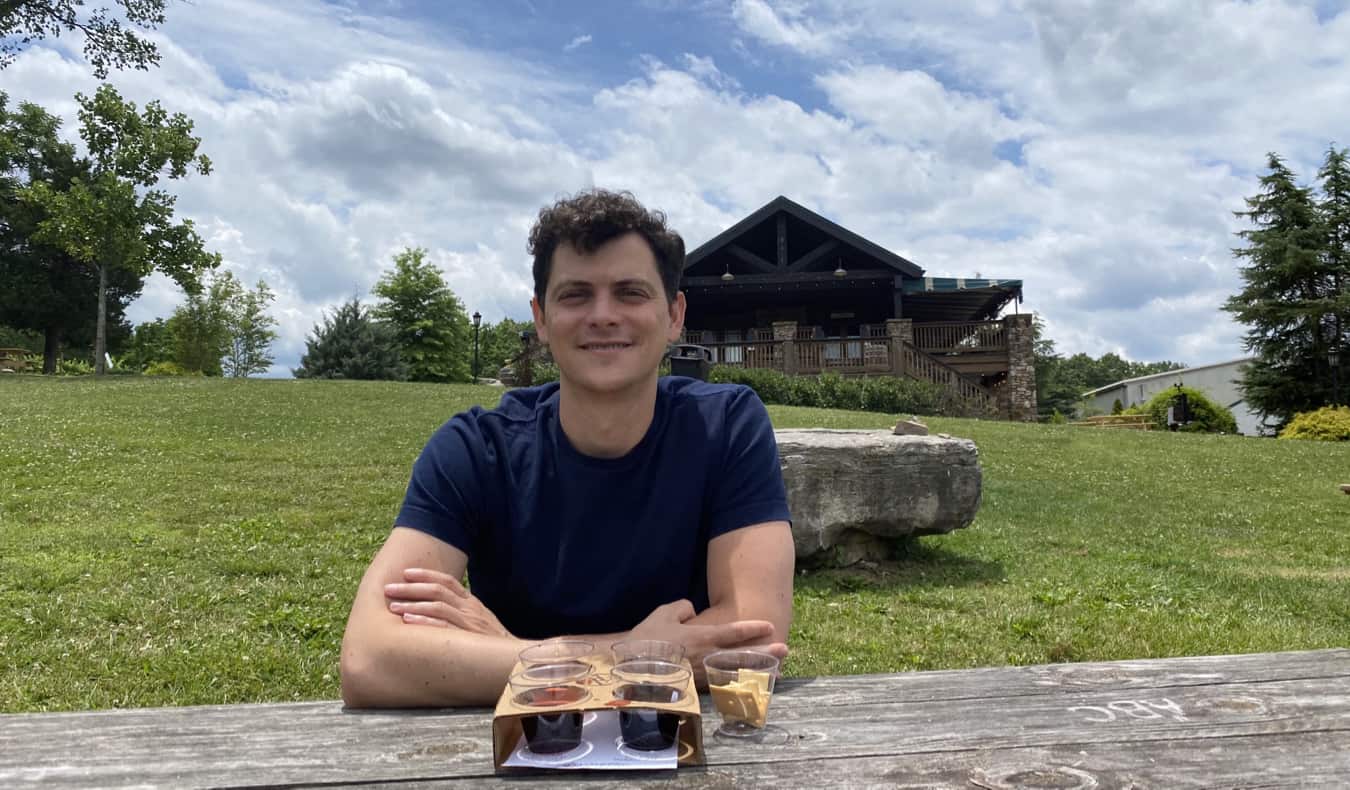
Nomadic Matt sampling beers at a picnic table
Posted: 10/5/20 | October 5th, 2020

In June, full of COVID antibodies that would disappear before the month’s end, I drove to Boston to see my family. My original plan was to stay a week and then slowly make my way back to Austin, stopping at as many national parks as I could.

But when COVID cases surged in the South, plans quickly changed: I stayed in Boston longer, went to Maine, and then dashed back to Austin, stopping in as few places as possible (mostly national parks).

In total, I was away close to three months, putting over 6,000 miles on my car and crossing dozens of states.

So what’s it’s like traveling during COVID?

First, logistically, it’s a pain the butt. Few attractions (parks, museums, etc.) are open and those that are open typically require advance registration, including some national and state parks. As a last-minute traveler, that threw a wrench in my plans. I often changed my itinerary at the last moment and would show up to attractions to find no availability. When I went to Mammoth Caves in Kentucky, all their spots were full for the entire following week!

Second, this road trip showed me that not COVID is not going to get under control anytime soon. America’s poor reaction to the pandemic is a result of decaying trust in government, science, the media, and fellow citizens.

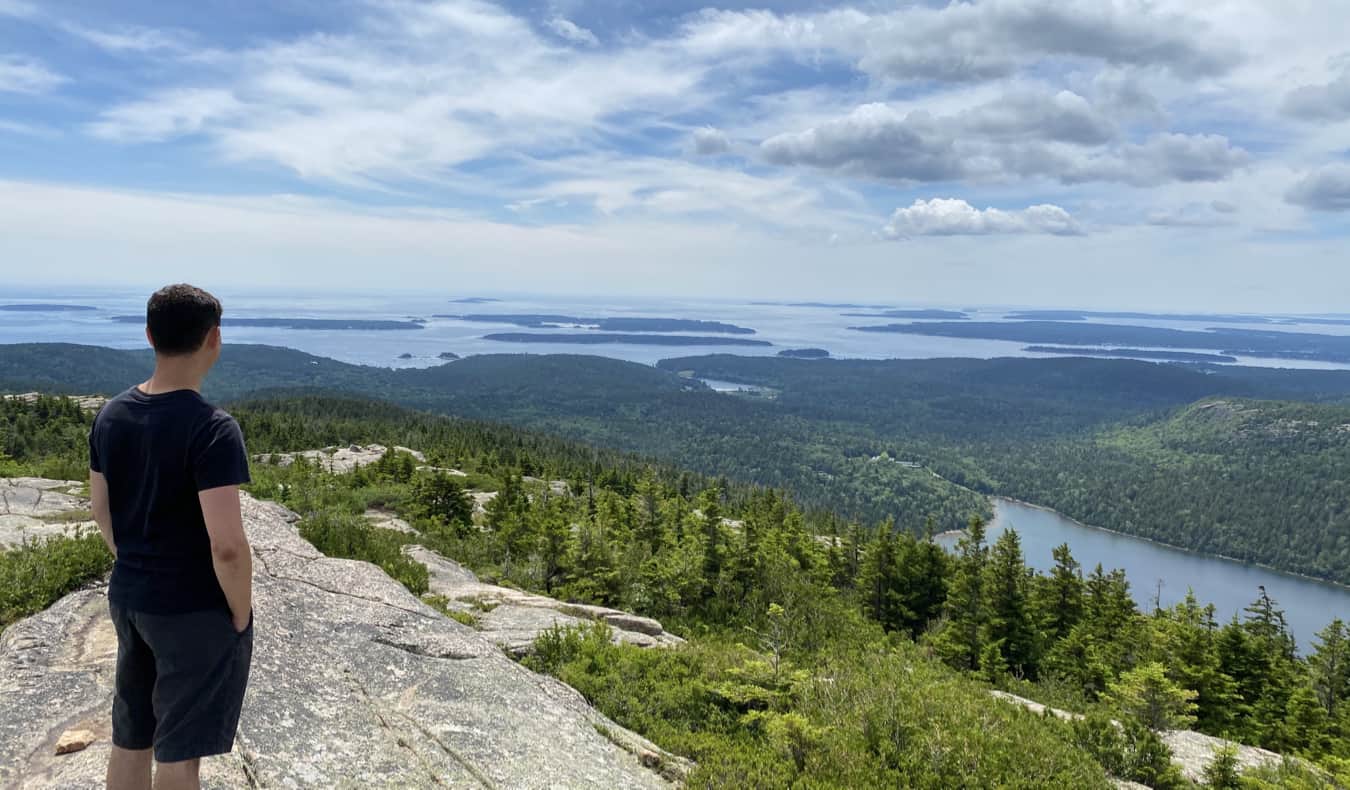
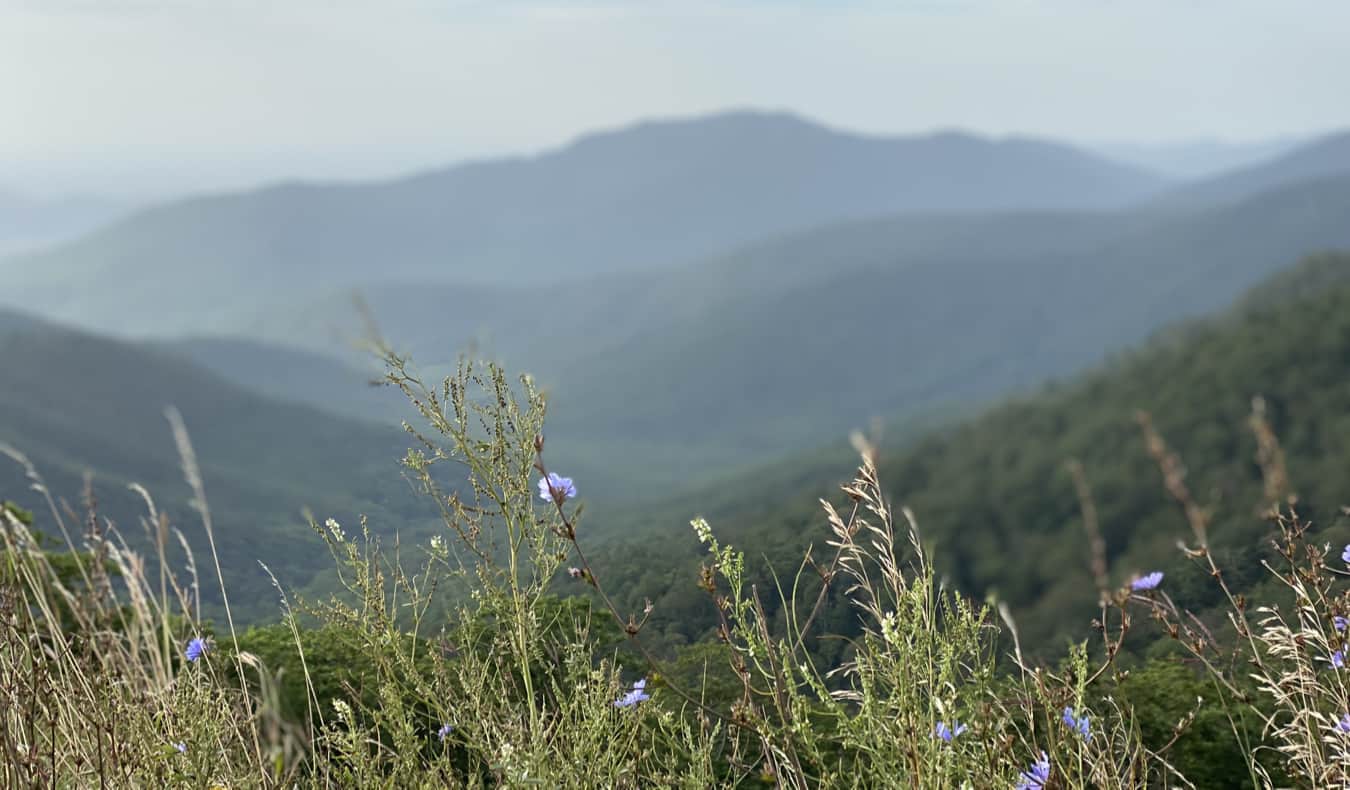
Nomadic Matt standing on a ridge taking in the scenic view

In towns across the United States, I met people who thought COVID was a hoax. I met people who refused to wear masks. I met people who thought it’s all overblown and some who thought scientists and doctors were lying so they could make more money.

I found that the level of seriousness with regard to the pandemic not a red state–blue state divide but an urban-rural divide. No matter the state I visited, the further from a major city I got, the fewer people were worried about the virus. From small-town Maine to the suburbs of Tennessee to now even back home in Austin, I’ve encountered enough people who view this as “just another flu” to make me realize that COVID in America is not going away anytime soon.

No matter how good part of the population is at following the rules, enough will flout them to ensure that we’ll never get a handle on COVID. It was just really disheartening to see firsthand just how far behind the curve we are — and will remain — so long as the pandemic (people’s health!) is not taken seriously.

It made me angry, frustrated, and sad all at once. (My next post will go into this more.)

But what I hated most — and what caused me to come home earlier — was the loneliness. While other countries are reemerging from lockdowns and slowly allowing gatherings, COVID’s continued existence here has made many of the ways people used to meet off-limits.

No hostel dorms, walking tours, Couchsurfing events, lively bars, in-person meetups, pub crawls, house parties, etc., etc.

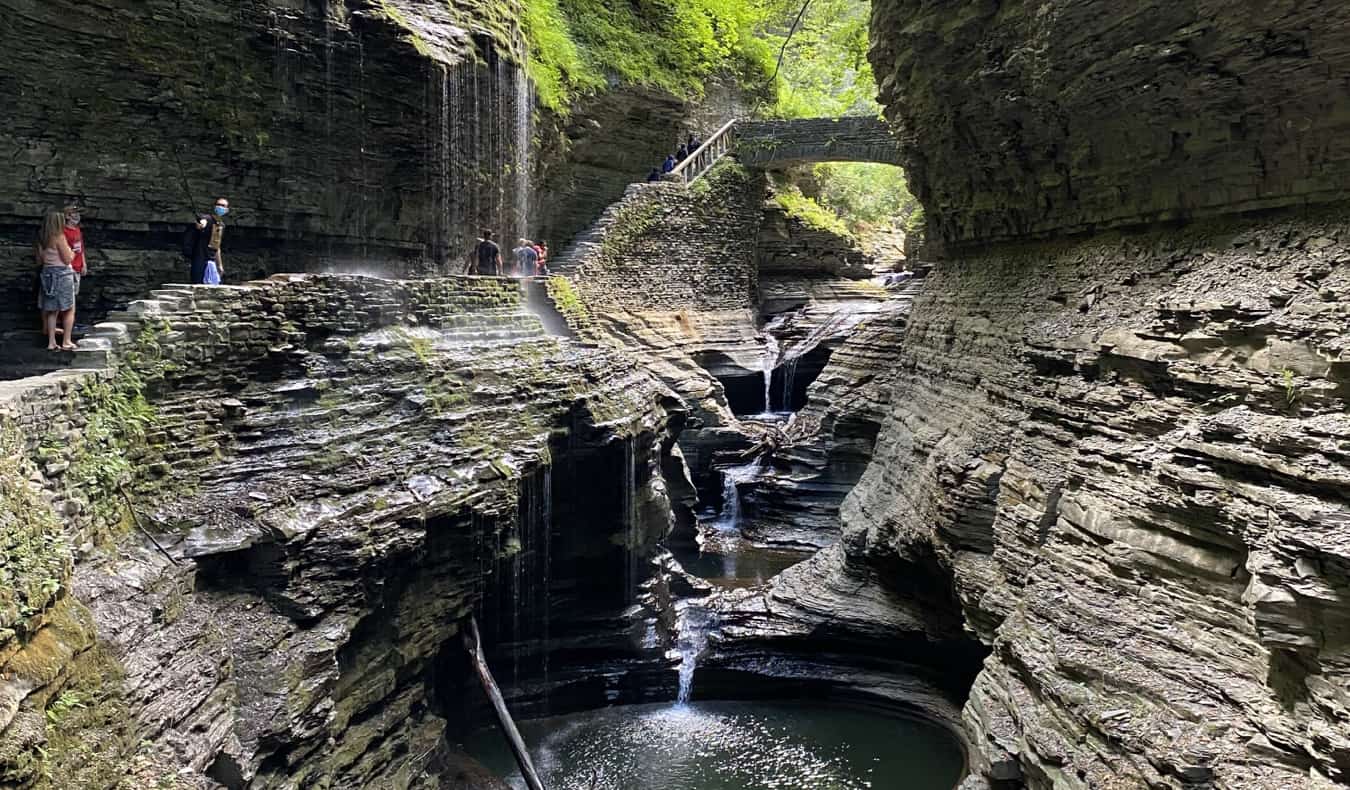
People hiking in a narrow rocky canyon

Travel during the pandemic means a lot of time by yourself.

As an introvert, I can spend hours with myself and be content. Days even.

I am my own best friend.

But eventually, my mouth wants to do that thing it likes to do so much: talk.

Travel, after all, is about people. It’s about learning from locals and other travelers. It’s about sharing experiences, swapping stories, and human connection.

But when anyone could be a coronavirus carrier, people (rightly) limit their interactions with strangers (and sometimes even with friends).

As a result, I found traveling unbearably devoid of sustained human interaction. Without people, my trip felt empty.

I’m not a “hike and camp in the woods alone for a week” kind of person. I get bored and lonely. Despite having an introverted nature, I travel to interact with people. I want to meet locals, drink beers, and learn about their part of the world.

Sure, I did meet some people. I had lovely conversations with folks in Maine, and I met a couple at a beer garden in Kentucky. And while I was fortunate enough to have some friends I could see along the way, for the most part, I was alone.

But when attractions are closed, people are isolating, and the ability to connect with strangers is reduced, what is travel?

And, if you’re worried about contracting COVID, the added stress and anxiety of wondering who might have the virus further saps the fun from travel. When I entered parts of the country I knew hadn’t contained the disease, my anxiety spiked. Everyone I eyed was a potential carrier, and so I kept my distance.

Closers on a ridge overlooking a wide open valley

I’d arrive at a new destination with high hopes and then, seeing everything closed, remember, “Oh yeah, the virus means I can’t travel the way I’d like.”

That’s no way to travel.

So would I recommend traveling around the United States now?

If you want to stay somewhere for a couple of days, don’t mind spending (a lot of) time alone, or just want to go for a hike in a national park, you’ll have a great time. There are plenty of ways to get out of town while ensuring you’re continuing to do your part to reduce the spread.1

There were many highlights to my trip: I got to check off a few new national parks, finally visited Maine, saw some friends, got surprised by the Finger Lakes region of NY, fell in love with Franklin, TN, and found my new favorite Bourbon (HC Clake from Franklin).

But, even with all that, if given the option to do it again, I’m not sure I would. When the majority of options for meeting and interacting with people are gone, so is a lot of the joy of travel.

And, until that comes back, I’m not sure an extended trip – in the United States or elsewhere – is for me.

For now, I’m happier staying at home.

1 – I took a total of three COVID tests throughout my trip to ensure I was not an asymptomatic carrier and didn’t pick up anything on the way.

Book Your Trip: Logistical Tips and Tricks

Book Your Flight
Find a cheap flight by using Skyscanner or Momondo. They are my two favorite search engines because they search websites and airlines around the globe so you always know no stone is left unturned.

Book Your Accommodation
You can book your hostel with Hostelworld. If you want to stay elsewhere, use Booking.com as they consistently return the cheapest rates for guesthouses and cheap hotels.

Don’t Forget Travel Insurance
Travel insurance will protect you against illness, injury, theft, and cancellations. It’s comprehensive protection in case anything goes wrong. I never go on a trip without it as I’ve had to use it many times in the past. I’ve been using World Nomads for ten years.

My favorite companies that offer the best service and value are:

Looking for the best companies to save money with?
Check out my resource page for the best companies to use when you travel! I list all the ones I use to save money when I travel – and I think will help you too!

The post What’s it Like Traveling the U.S. During COVID-19? appeared first on Nomadic Matt's Travel Site.


October 05, 2020 at 04:16PM

fom https://ift.tt/2HXZr9I
by IHholiday Travel trip

jueves, 1 de octubre de 2020

11 Things to See and Do in Quito, Ecuador

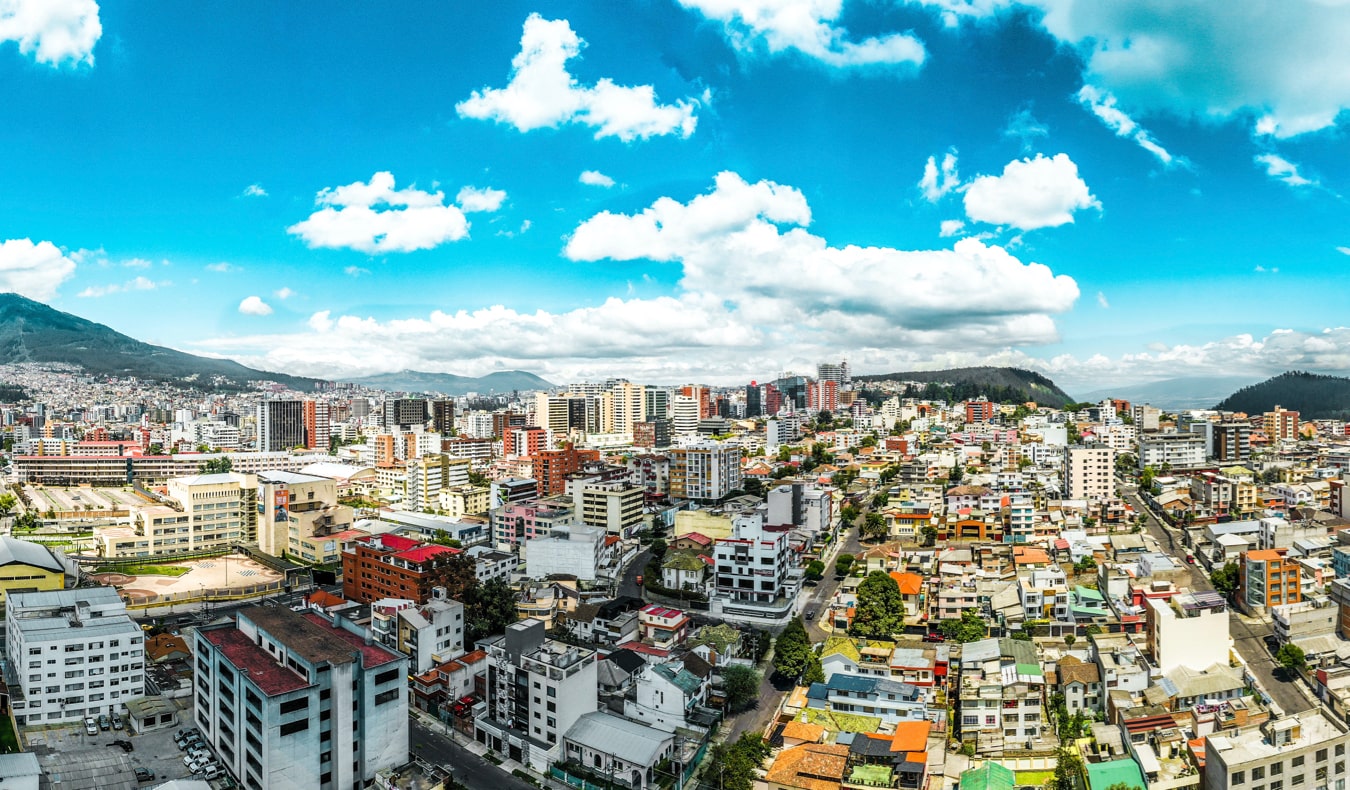
The view overlooking Quito, Ecuador
Posted: 10/1/2020 | October 1st, 2020

I had no idea what to expect when I first visited Quito. The capital of Ecuador and home to two million people, the city had a grittiness to it that reminded me a lot of Naples that was juxtaposed by beautiful and historic architecture.

While the region around Quito was Inca territory through the 15th century, the city itself dates from 1534 when Spanish settlers led by Sebastián de Benalcázar enslaved the natives and colonized the area. The city has been standing ever since.

Enveloped by mountains and perched at 2,850 meters (9,350 ft) above sea level, Quito usually gets ignored as travelers head elsewhere in the country (i.e. The Galápagos). However, from the beautiful historical town square to the lively restaurants and parks to the beautiful mountains, there is plenty to see and do here for a few days. Make sure you spend a couple of days here. Quito isn’t really a touristy city so you can get a real good sense of Ecuadorian culture here!

Here’s a list of my favorite things to do during your visit to Quito:
 

1. Take a Free Walking Tour

The best way to get a foothold in a new destination is to take a free walking tour. You’ll get a crash course in history, culture, food, and much more. It’s the first thing I do whenever I arrive in a new city.

Free Walking Tour Ecuador offers daily free walking tours (as well as paid food and cultural tours) that will give you a solid introduction to Quito. Tours last a couple of hours and cover all the main sights in town. Best of all, they’re free — but just be sure to tip your guide at the end!
 

2. Hike the Bread Roll

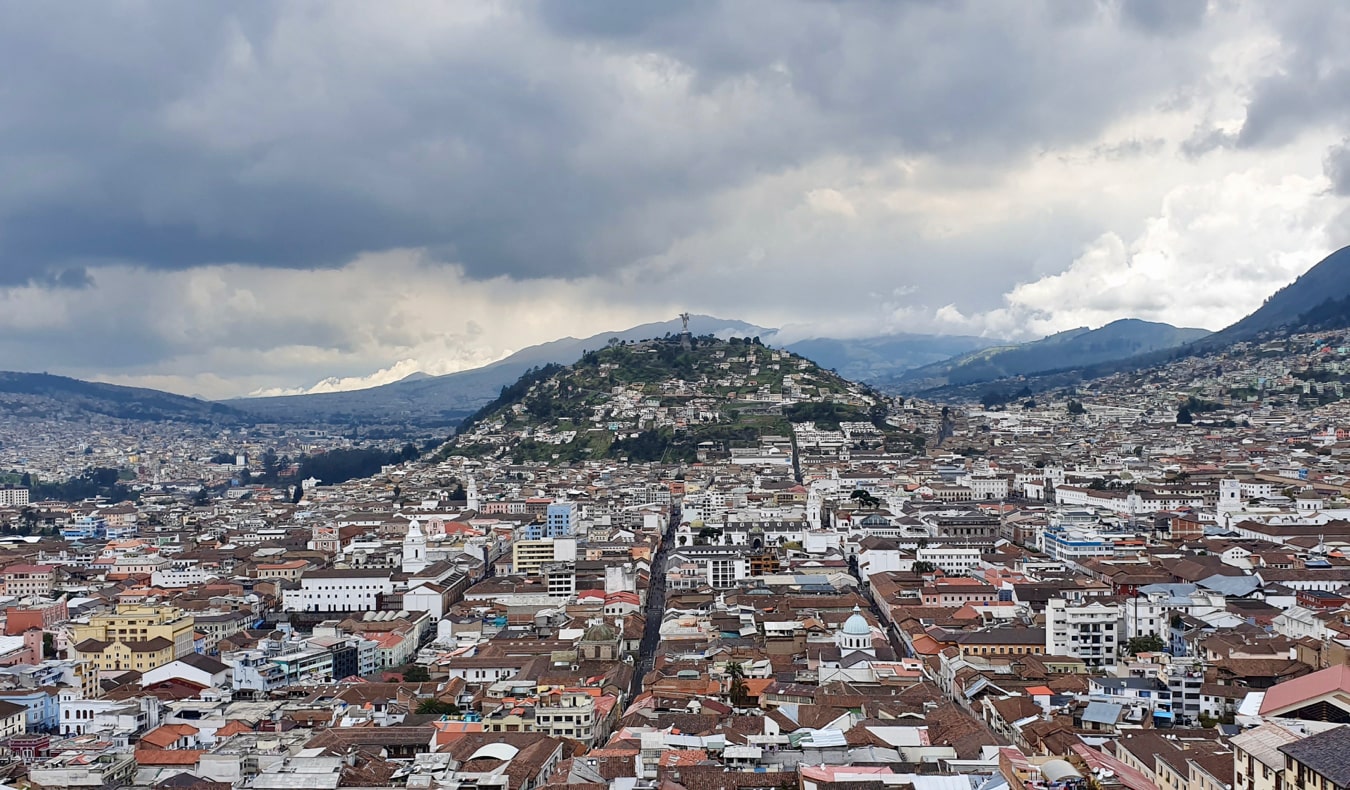
The Bread Roll hill overlooking Quito, Ecuador
El Panecillo, or “The Bread Roll,” is a small hill overlooking the city. Standing just over 200 meters (656 ft), it offers a beautiful panorama of the city and surrounding mountains. Before the Spanish arrived in the 16th century, it was home to an Inca temple. Today, a massive aluminum statue of the Virgin Mary (known as the Virgin of Quito), built in 1976, towers over the city. Try to arrive early in the morning for the best views (since the altitude is high, and clouds are common).
 

3. Wander the Old Town

Quito is home to one of the best-preserved historic centers in all of Latin America. The narrow streets are lined with centuries-old buildings, and the entire area was declared a UNESCO Heritage Site back in 1978. There are lots of cafés, colorful old buildings, churches, plazas, and more. It’s a nice place to stroll around and feel like you’ve stepped back in time. Many of the buildings date back to the 1600s!
 

4. See Plaza de San Francisco

The spacious San Francisco Plaza in Quito, Ecuador
Saint Francis Square is where you’ll find the Church and Convent of St. Francis, the city’s oldest building. It dates to the 1500s and took almost 150 years to be completed. It’s baroque in design and is one of the largest historical structures in Latin America. The plaza itself is huge and makes for a nice place to people-watch. It was built on ancient Incan ruins (including those of Emperor Atahualpa’s 15th-century palace).
 

5. Visit the Central Bank National Museum

The Museo Nacional de Banco Central del Ecuador, aka the Bank Museum, sounds pretty boring. Even as an avid museum-goer and history buff, I had low expectations. Fortunately, I was pleasantly surprised. The museum has a huge collection of over 1,500 items and artifacts from pre-Inca times (some over 6,000 years old). Its exhibitions showcase the history and progression of Ecuador throughout history, covering everything from art to religion to economics and everything in between. It’s a massive museum, in which you could easily spend a few hours. It’s also one of the most popular things to do in Quito (and it’s super affordable too).

Avenida Patria, +593 2-381-4550, muna.culturaypatrimonio.gob.ec. Open Tuesday–Sunday 10am–5pm. Admission is $2 USD.
 

6. Cross the Equator

The Mitad del Mundo equator monument near Quito, Ecuador
You can’t visit Ecuador — named after the equator — without visiting the equator itself. First, visit the “fake” equator, the 30-meter-tall Mitad del Mundo monument built in the late 1970s in the wrong spot (modern GPS made the error known).

The “real” equator is a few hundred meters away, at The Intiñan Solar Museum. Here you can officially straddle the hemispheres and visit a small museum that pays homage to indigenous Ecuadorian culture and history. They also have some fun science experiments that only work when you’re at the equator as well.
 

7. Relax in Parque Metropolitano

This is the largest green space in the city. Spanning over 1,700 acres, the park is home to hiking trails, campsites, bike paths (and rentals), and beautiful cloud forests for hiking and bird-watching. You can easily spend a few hours or an entire day here. Pack a lunch, bring a book and some walking shoes, and bask in the natural beauty and views of the surrounding mountains and landscape.

The park is open daily from 6am to 6pm. The entrance to the park is on Guanguiltagua Street in the Batán Alto neighborhood. Admission is free.
 

8. Take a Day Trip to Cotopaxi Volcano

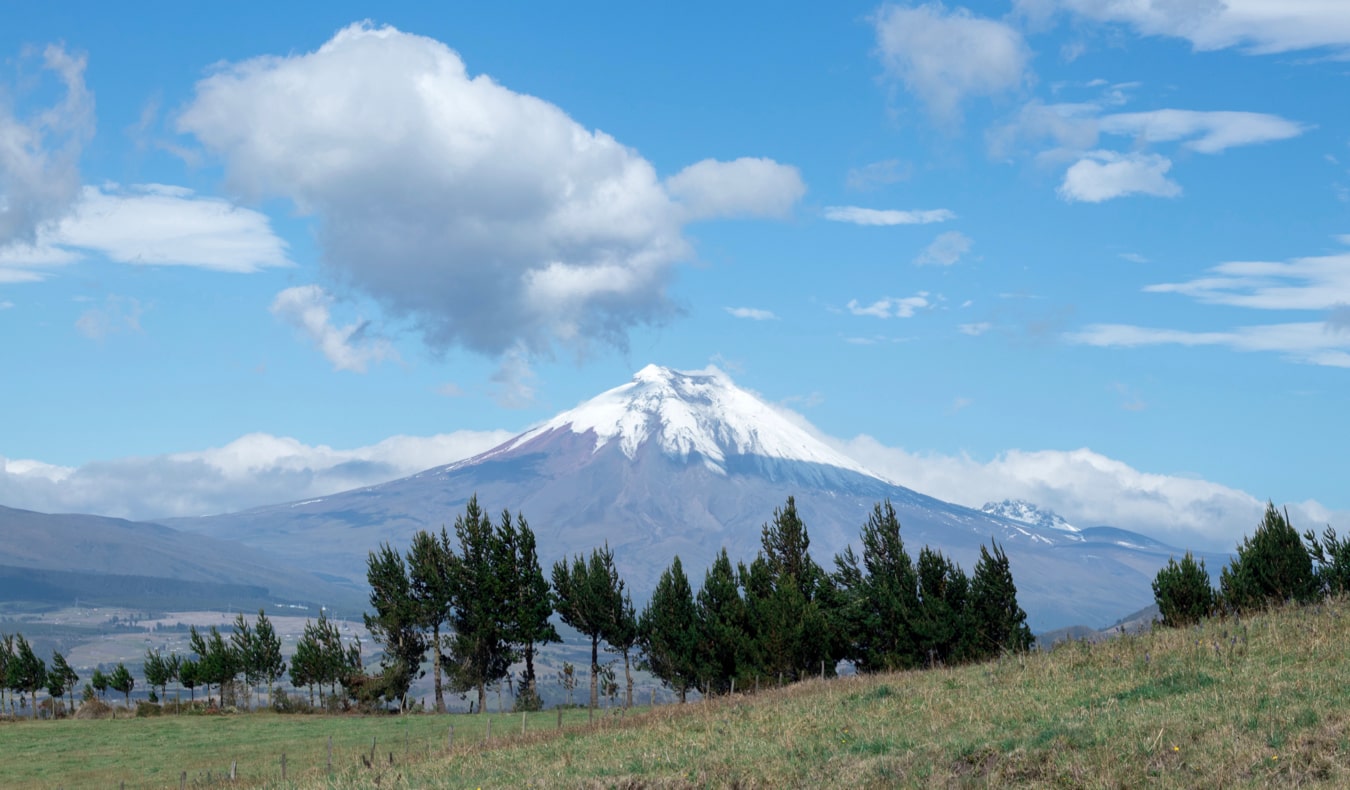
The snow-capped Cotopaxi volcano near Quito, Ecuador
Approximately 50km (31 miles) from Quito is the world’s highest active volcano. Located in Cotopaxi National Park and standing 5,897 meters (19,348 feet) tall, it’s a popular location for outdoor activities such as mountain climbing, hiking, horseback riding, and camping. Since 1738, there have been over 50 eruptions (it was actually closed to visitors in 2016–17 due to an eruption). When the weather is clear, you can see the volcano from Quito (it really is imposing).

The park itself is free (you just need to show your passport to enter). You can book a day tour for around $65 USD or arrange it yourself for around $20 USD. Expect to spend 2–7 hours hiking to the summit, depending on where you start (you can drive part way up to decrease the duration). Be sure to spend some time in Quito acclimatizing to the altitude before doing the hike.
 

9. Explore La Mariscal

This is a popular area for shopping and enjoying the city’s nightlife. It caters a lot to the tourist/expat crowd, and I couldn’t walk five feet without seeing a BBQ place or Irish pub. It’s modern, trendy, and filled with bars and posh restaurants. The houses in the area are colorful, and there are a few open-air markets worth browsing as well. In short, it’s a nice place to explore during the day and fun for a night out once the sun goes down.
 

10. Tour the García Moreno Prison Musem

This abandoned prison was shut down in 2014, after over 150 years in operation. Today, it’s an eye-opening museum that highlights the challenging conditions of prison life in Quito over the past century. The guides are former guards who will tell you all kinds of frightening stories while walking you around the grounds. Many of the cells are still full of prisoners’ items and belongings. It’s really interesting but also a little unsettling too. It definitely provides some nuance to the city’s history.

Vicente Rocafuerte. The museum keeps odd hours and has minimal contact information. Ask your hotel/hostel staff for details.
 

11. Take a Day Trip to Laguna Quilotoa

The massive volcanic crater lake Laguna Quilotoa near Quito, Ecuador
This stunning crater lake is three hours from the city. Made from a former volcano that collapsed from an eruption, the resulting crater filled with water and is an absolutely beautiful sight. You can hike, swing off the edge of the crater lip, and even rent kayaks and paddle around the water (rentals cost around $3 USD). Day tours make for a long day (most last 12 hours), so consider staying in the region overnight if you can. Expect to pay around $50 USD for a day trip. Most also include a brief stop at Cotopaxi as well.

***

I loved Quito. It’s rich in culture and architecture and filled with good food, and there’s a lot to see and do. Don’t just use it as a place to fly to the Galápagos Islands from — it’s worth spending a few days exploring and getting to know this surprising and entertaining city!

Book Your Trip to Ecuador: Logistical Tips and Tricks

Book Your Flight
Find a cheap flight by using Skyscanner or Momondo. They are my two favorite search engines, because they search websites and airlines around the globe, so you always know no stone is being left unturned.

Book Your Accommodation
You can book your hostel with Hostelworld. If you want to stay somewhere other than a hostel, use Booking.com, as it consistently returns the cheapest rates for guesthouses and hotels. My favorite places to stay in Quito are:

Don’t Forget Travel Insurance
Travel insurance will protect you against illness, injury, theft, and cancellations. It’s comprehensive protection in case anything goes wrong. I never go on a trip without it, as I’ve had to use it many times in the past. I’ve been using World Nomads for ten years. My favorite companies that offer the best service and value are:

Looking for the best companies to save money with?
Check out my resource page for the best companies to use when you travel! I list all the ones I use to save money when I travel — and I think they will help you too!

Looking for more information on visiting Ecuador?
Check out my in-depth destination guide to Ecuador with more tips on what to see and do, costs, ways to save, and much, much more!

Photo credits: 3 -dutchbaby, 4 – Richard Ponce, 6 – Mike

The post 11 Things to See and Do in Quito, Ecuador appeared first on Nomadic Matt's Travel Site.


October 01, 2020 at 02:13PM

fom https://ift.tt/34eZpBB
by IHholiday Travel trip