jueves, 19 de abril de 2018

My 7 Reasons to Visit Iceland

things to do in Iceland
Iceland. It’s a land of sheep, the northern lights, volcanoes with unpronounceable names (try saying Eyjafjallajökull), majestic waterfalls, craggy mountains, and otherworldly landscapes. To me, it is one of the most beautiful places on earth. How can such a tiny island have such a diverse and beautiful terrain? It changes every few feet — from verdant fields, snowy mountains, and brilliant glaciers to looking like Mars. It never ceases to amaze me. I had high expectations when I first visited. I’d seen movies and pictures in magazines of a land with jagged mountain peaks, volcanoes with desolate lava fields, rolling hills with grazing sheep, and glaciers that stretched for miles.

Iceland lived up to all those expectations. Now, a year doesn’t go by when I don’t visit (see ya again in September!). Sure, the country has seen an explosion in tourism in recent years and it’s gotten a lot more expensive but most of the tourists concentrate in the south near Reykjavik. Once you head out of the capital region, it’s mostly you and nature (I only saw three other tourists in my week in the Westfjords…during peak season)!

So, in honor of the Iceland guide, I just published today, here are my favorite things to see and do in Iceland that will convince you to book your ticket (because, thanks to WOW air, flights are dirt cheap):

Reykjavík
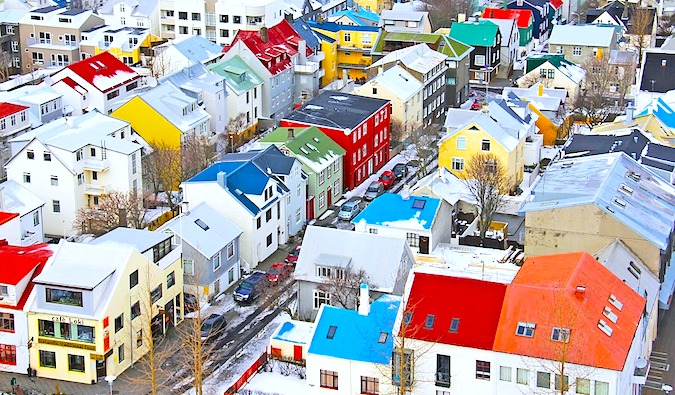
View of Reykjavík Iceland
This hip capital is awash in thriving cafes, high-energy clubs, friendly pubs, and a brightly colored old town with rows of wooden houses clustered together. It’s more like a giant small town than a city. Though it’s super small, it’s worth a few extra days to really get a feel for the art and café culture of the city. And if you’re a night owl, you’ll love the party life (Icelanders know how to drink). I love this city and never find myself bored here. From reading in cafés to wandering the coastline to
enjoying drinks with my friends, Reykjavík sucks me in during ever visit.

Visit the Westfjords
the Westfjords of Iceland
The Westfjords is a large peninsula in northwestern Iceland with tons mountains and a coastline heavily indented by fjords. It’s one of the most raw parts of Iceland and my favorite region. Few people live here and fewer visit, though Icelanders make their way here on summer vacation. It’s an area of tiny towns, fishing villages, mountains, waterfalls, and lakes. In the summer months, puffins and whales call it their home. In the winter, many of the roads are closed by ice and snow for several months. But you’ll find tiny towns, deep fjords, and beautiful hikes all to yourself. It’s not easy to get around but locals will let you hitch rides with them easily because bus service here can basically be non-existent. Be sure to eat at Tjöruhúsið in Ísafjörður for an all you can eat, catch of the day buffet. Delicious!

Hit a relaxing lagoonThe Blue Lagoon in Reykjavík Iceland
Most people soak in the Blue Lagoon. This huge, milky-blue spa is fed by mineral-rich heated seawater from the nearby geothermal plant. Though it’s the most expensive one, you cannot deny that Iceland’s most famous geothermal pool is the country’s top tourist attraction. But there are so many other hot pools in the country. Reykjavik has their local one, in the north there is the Myvatn Nature Baths, and on the way to Vik, there’s the famous “secret – not so secret” mountain springs. You’ll find plenty of free hot springs all around the island. Use the website Hotpot Iceland to find them.

The Golden Circle
Iceland's most famous waterfall, Gullfoss
The Golden Circle is the popular tourist route and includes Gullfoss waterfall, Geysir, and Thingvellir National Park. They make an easy day trip from the capital or airport, so people on a short layover always visit this area. You can easily drive the whole ring in a day. Along the way, there are a few farms where you can stop and see Icelandic horses. The main sites are:

  • Gullfoss – Fed by Langjökull, Iceland’s second biggest glacier, this is one of the most photographed waterfalls in the country. While not the biggest or most majestic, its V shape is unique and powerful to watch. Iceland’s most famous waterfall tumbles 105 feet into a steep-sided canyon, kicking up a wall of spray. On sunny days, the spray creates shimmering rainbows over the gorge. This is a truly amazing spectacle and a rewarding scene after a nice hike.
  • Geysir – A famous hot spring in Haukadalur Valley. Geysir itself seldom erupts anymore, but nearby Strokkur spouts 15-20 meters of water about every 10 minutes. There are also numerous strikingly colored hot pools in the area along the path. If you want to hike up the mountains nearby (takes 20 minutes to get to the top), you’ll be rewarded with picturesque views of farmland.
  • Thingvellir – This place is full of hiking trails and stunning camping grounds, but its big draw is that it’s the only place in the world where you can see two major tectonic plates drifting apart above sea level. Walking through the park takes a good 1-2 hours, but the landscape is so gorgeous (and it’s not a difficult walk). You can also go scuba diving between the plates and there are some good guided walks.

How to get there:
Gullfoss is 124km from Reykjavik. From Geysir, follow route 35 (Biskupstungnabraut), the drive is about 30 minutes long. The waterfall can be visited 24/7 free of charge. It is a public free open space.

Watch the Northern Lights
The Northern Lights in Iceland
From September to April, the Northern Lights become more visible here. These dancing lights are one of the greatest natural wonders in the world. To witness the aurora borealis in all their glory in Iceland requires patience, luck, and darkness. The country towns in the north are the best place to see the lights, especially during periods of “low” activity. If the lights are really strong, you can sometimes see them in Rekjyavik.

Jökulsárlón (The Jökulsár Lagoon)
The Jökulsár Lagoon
Located in the southeast of Iceland, this ice floe is only a couple of decades old and now one of the most popular attractions in the area country. Breiðamerkurjökull Glacier retreated very quickly from 1920 to 1965, leaving this breathtaking lagoon behind, which is up to 190 meters deep. Icebergs float in the lagoon all year. I enjoy just sitting and listening to the ice blocks crash into each other on their way out to sea. You can also take boat trips around the lagoon.

How to get there:
Jökulsárlón is on the edge of the National Highway 1 so very accessible if you stop on the side of the road. It’s free to visit.

Do a Glacial Trek
Hiking glaciers in Iceland
During the winter months, the glaciers get a bit sturdier, and groups of tourists are led across them. There’s no better way to see the glaciers than to walk on them. Release your inner Arctic explorer across the glaciers of Iceland. Vatnajökull is one of the most popular glaciers to hike. Tour companies to choose from: Extreme Iceland, Icelandic Mountain Guides, Trek Iceland.

My love for Iceland became an obsession as I’ve drawn back by the people and the raw natural beauty of the terrain. Don’t let the high prices scare you away from Iceland. There’s plenty of ways to save money while you’re there. Get inspired, take advantage of the cheap flights, head north away from the crowds, and sit in a hot springs while watching the northern lights!

Announcing My In-Depth Budget Guide to Iceland!!
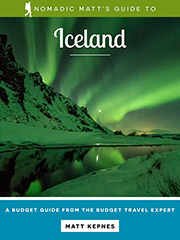
Nomadic Matt's Guide to IcelandToday, we just published our brand new guide to Iceland! The product of months of work this two hundred page guidebook will help you get off the tourist trail, save money, and see the best of the country. You’ll see the local side of Iceland as I take you off the tourist trail, give you my obsessively curated list of places to stay, eat, and things to see.

Moreover, you’ll get a plethora of ways to save money, suggested itineraries, maps (so many maps), practical information, suggested reading, operators, and so much more. This guide cuts out the fluff you’ll find in mass market guidebooks and gets right to the point giving you the practical stuff you need to have a first class trip on an economy class budget!

—->Click here to learn more about!!

Book Your Trip to Iceland: Logistical Tips and Tricks

Book Your Flight
Find a cheap flight to Iceland by using Skyscanner or Momondo. They are my two favorite search engines. Start with Momondo.

Book Your Acommodation
You can book your hostel in Iceland with Hostelworld. If you want to stay elsewhere, use Booking.com as they consistently return the cheapest rates. (Here’s the proof.)

Don’t Forget Travel Insurance
Travel insurance will protect you against illness, injury, theft, and cancellations. I never ever go on a trip without it. I’ve been using World Nomads for ten years. You should too.

Need Some Gear?
Check out our resource page for the best companies to use!

Want More Information on Iceland?
Be sure to visit our robust destination guide on Iceland for even more planning tips!

Photos: 2, 6

The post My 7 Reasons to Visit Iceland appeared first on Nomadic Matt's Travel Site.


April 19, 2018 at 03:00PM

fom https://ift.tt/2HKoybF
by IHholiday Travel trip

lunes, 16 de abril de 2018

How You Can Help Create the Next Generation of Responsible Travelers

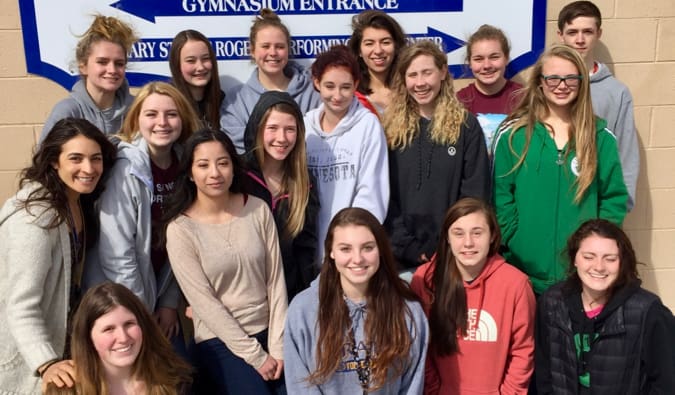
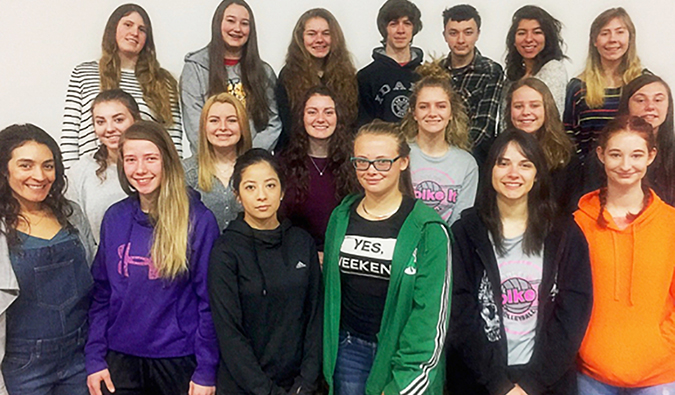
Students from Victor
Travel gives us perspective, challenges our expectations, and opens the door to new possibilities. It forces us to see the world and ourselves in a more profound way. I believe that it makes us better people. It gives us experience and understanding that you don’t get when you simply stay in your little corner of the world. It’s like that scene in Good Willing Hunting when Robin Williams say to Will:

So if I asked you about art, you’d probably give me the skinny on every art book ever written. Michelangelo, you know a lot about him. Life’s work, political aspirations, him and the pope, sexual orientations, the whole works, right? But I’ll bet you can’t tell me what it smells like in the Sistine Chapel. You’ve never actually stood there and looked up at that beautiful ceiling.

Reading about something is one thing. Experiencing it is in real life is completely different. I know travel is no panacea. It’s not going to end hunger or bring about world peace. But it does give us perspective and experience. It gives us understanding and makes us more open. It teaches us possibility.

At a time when the world seems to be splitting apart, travel can at least give us a sense of understanding and community.

And that is why I created FLYTE, our community charity designed to give the gift of travel and education to young kids who grow up in places where that seems like a pipedream. Its mission is to expand their minds, show them that the world is full of possibility, and get them to dream big.

Today, I am announcing our next partner school!!!!

Travel has profoundly impacted the lives of the young students we’ve served.

Take Kaleb. He traveled with FLYTE to Mexico in 2016, and now he’s a sophomore at DePauw University studying political science and African studies. This past January, he took a trip study abroad to South Africa and is planning another one to Europe. As he says,

Traveling internationally better informed me not only as a young adult but as a global citizen. The experiences I have had traveling internationally during high school made me more competitive when applying for college and expanded my social consciousness. I can say that I now am more willing to interact with people of diverse backgrounds.

This why FLYTE exists and why I’m so proud of what we have accomplished together. Over 1,200 individuals have helped us grow FLYTE by spreading the word, volunteering, and donating to our fundraisers. We’ve sent close to 40 kids overseas and raised nearly $100,000 to make that happen.

So, I’m pleased to announce that after a long, rigorous application process, our next partner school is The Victor School from Victor, Montana!

Students from Victor

Victor is a tight-knit community about 45 miles south of Missoula. The entire K-12 school system only has 300 students. Lindsey Egelston, the teacher who will be leading this trip, explains that in Victor, “poverty is high and higher education levels are low, and many of our students’ families struggle to make ends meet.”

In June, FLYTE will send Lindsey and her students to Guatemala, where they’ll navigate the cobblestone streets of Antigua, explore the villages along Lake Atitlán, ignite their taste buds at the Chichicastenango market as well as volunteer with local organizations.

Living so far outside a metropolitan area makes it hard for these students to interact with a diverse range of people. This trip is a chance for these students to see the world, experience new cultures, see the power of education, and see the possibility that exists beyond their small town. It’s a chance to spark an interest in the world and education.

Today, I’m asking for your help. As someone who understands the transformative power of travel, you know how much these experiences can change a student’s life.

I can’t send these kids on this trip without you. We’re trying to raise $30,000 USD for this trip. I’ll be matching donations up to $10,000 and any extra money we raise can be put towards future trips.

Please consider joining our FLYTE Crew monthly giving program and help provide the sustainable support we need to serve a greater number of students. If 100 people give $25 a month, we could fund this trip and additional trip this year!

Not ready to give monthly? A one-time donation still allows us to send the Victor School abroad. Select the one-time option to donate today.

I know this is a budget travel website and most of us don’t have a lot of money but for the cost of a few drinks, you can pay it forward and help great a new generation of responsible travelers!

We at FLYTE want to create a more peaceful, tolerant world, where everyone, regardless of race, ethnicity, gender, or socioeconomic status, is empowered to live to their full potential. This starts with our youth and we want to serve more of them.

At a time when people are building up barriers, dictators and nationalism are on the rise, social media brings out the worst in us, it’s more important than ever we do what we can to counteract our worst impulses.

If you’re the type of person that believes love trumps hate, help us help these kids.

If you’re the kind of person that is looking for a way to spread the power of travel, help us help these kids.

Let’s pay all our travel kindness forward and send these kids from the small town on Victor to Guatemala.

Thank you!

— Matt

P.S. – With the help of Carol from Wayfaring Views, we’re piloting a peer-to-peer fundraising campaign to launch at the end of the month. If you’d like to get involved, click here for more details.

P.P.S. – We’ve gotten a lot of questions about how much trips cost and our program expenses. That information is now available on our website.

P.P.P.S. – Want to help us and expand FLYTE’s impact? If you know of teachers who would be interested in applying for funding, let us know. If you know people who would want to get involved, share this post. If you want to help us by volunteering or creating a personal campaign, email us! We’re a small organization still so we need all the help we can get!

The post How You Can Help Create the Next Generation of Responsible Travelers appeared first on Nomadic Matt's Travel Site.


April 16, 2018 at 03:53PM

fom https://ift.tt/2HEJPnp
by IHholiday Travel trip

jueves, 12 de abril de 2018

13 Great Reasons to Visit New Zealand

reasons to visit New Zealand
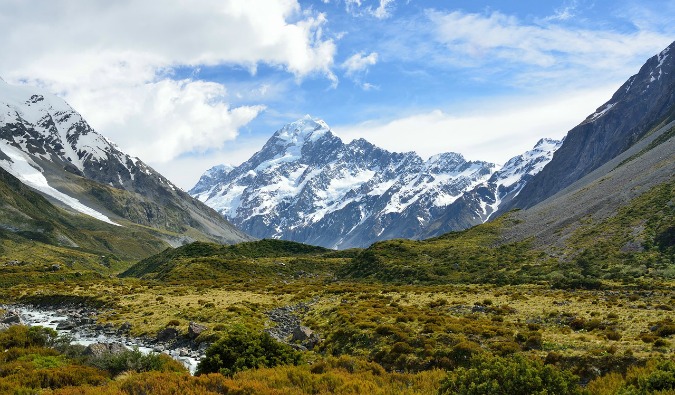
My visit to New Zealand a few months ago marked my second time in the country. Much had changed in the half decade since I had been there. The country was more crowded and expensive with the sleepy towns I remember now bursting with tourists. Yet, in so many ways, New Zealand was still the beautiful pearl I remembered from years ago. Christchurch was recovering from its earthquakes and now a hip place to be; Wanaka was still an incredible place to go hiking; the glaciers were just as mind-blowing as ever; the forests still home to wonderful walks; and Kiwis just as fun and friendly as ever.

This second visit allowed me to hit up many new places – as well as visit some of my old favorites. So, for when you go (I say “when” not “if,” because this country is so incredible that is should 100% be on your list and, if it’s not, I’m gonna come find you and drag you there!), here are my favorite places to visit and things to do in New Zealand that you shouldn’t miss:

Explore Abel Tasman National Park

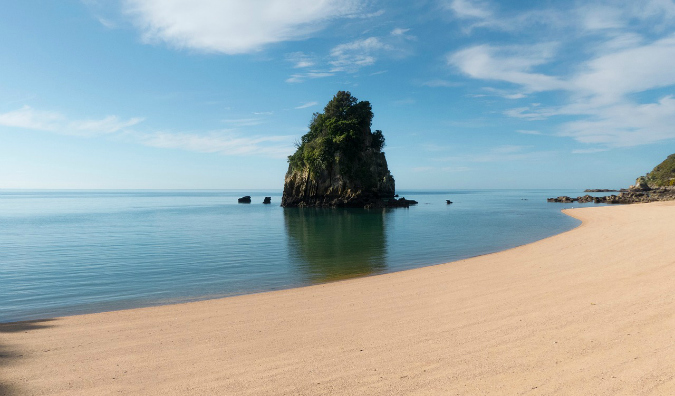
Abel Tasman National Park
Stepping into Abel Tasman is in some ways like stepping into Thailand. The beautiful beaches and azure water feel like they belong in the tropics, not New Zealand. The hiking is beautiful, with giant ferns, huge, lush trees, and a temperate climate. There are a lot of one- to three-day hikes here. And, if you really want to see this park, kayak around. This lets you explore the tiny coves and beaches that make the area so special. The park is best as an overnight or multi-day trip as it’s too far from Nelson to really do it justice in a day trip.

Glacier trekking on Fox and Franz Josef

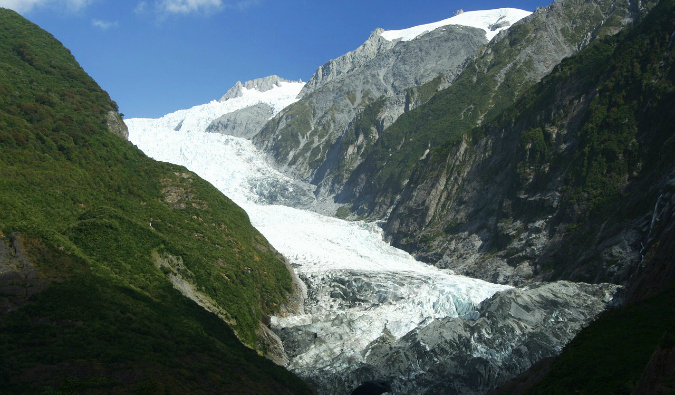
a glacier in New Zealand
Hiking these two glaciers lives  lives up to the hype. Because the glaciers have receded and are melting quickly, the glacier caves and walks have been shut down. The only way to trek on the glaciers now is via heli-hike (a half-day helicopter/hiking experience). They are expensive ($400 NZD, or $290 USD) but the helicopter ride, trekking, and whole experience are worth the price in my opinion. Additionally, you can just go on a helicopter tour (they last about twenty or minutes) or just hike to the glacier face and take pictures. No matter what option you choose, pass through this area while you make your way down the South Island.

Further Reading

Do an Extreme Sport

a glacier in New Zealand
New Zealand is the adventure capital of the world, where most people blow their budget on a wide range of exciting activities, from bungy jumping to skydiving to white-water rafting. There are a million activities to choose from: you can skydive basically anywhere; Queenstown is home to Shotover jets (rocket like boats that zip on shallow rivers), ziplines, and bungy jumps; and there’s caving, zorbing, transalpine hiking, paragliding, and so much more. If it can be done outdoors, it can be done in New Zealand.

Further Reading

Hike the Tongariro Crossing

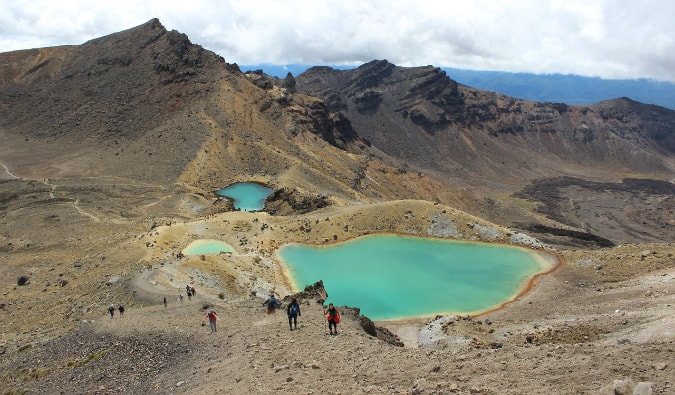
a glacier in New Zealand
Considered the best day hike in all of New Zealand, the track takes you to where they filmed Mordor in The Lord of the Rings. The 19.4 km walk is easy in parts (the beginning and end) and steep in others (especially the portion after “Mount Doom”) so you’ll get a good mix of difficulty levels. However, even if you aren’t a strong hiker (and I am not), the Tongariro Crossing is easily completed in a day. Trekking through this otherworldly, red-colored environment of volcanoes and sulfur was the highlight of my whole time in New Zealand.

Further Reading

Learn about Maori culture

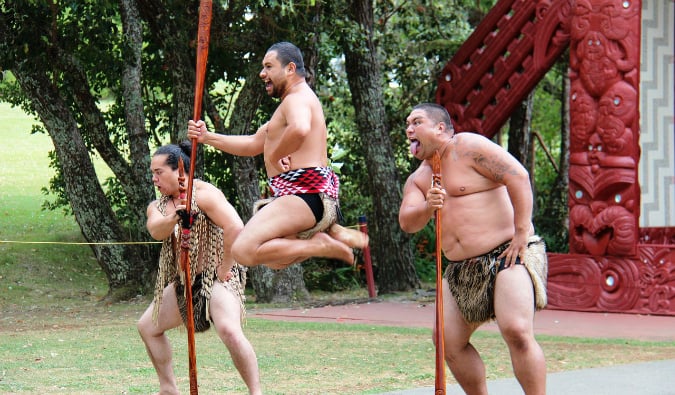
Traditional Maori cultural dance show in NZ
Maoris were the original inhabitants of New Zealand and I’ve loved learning about their history and culture (especially after seeing the movie Whale Rider. It’s incredible. Watch it!) They are a friendly and proud people, and there wasn’t one Maori person I met who I didn’t love. Rotorua is usually the best city to see Maori cultural shows, though there are other noteworthy sites around the country, including the Waitangi Treaty Grounds, Tane Mahuta, and the Te Papa museum in Wellington.

Further Reading

Don’t miss Wellington

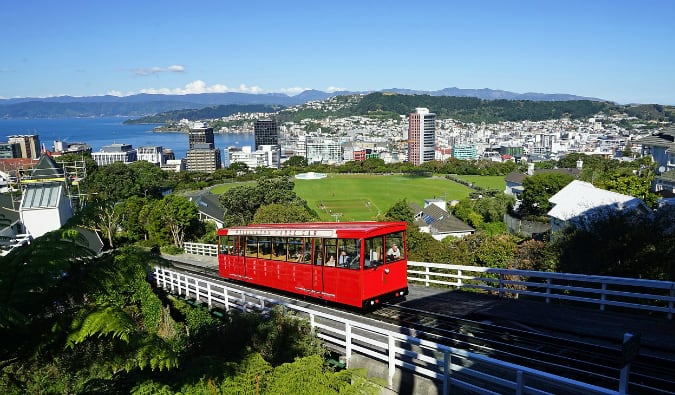
Wellington
Wellington has character. Everyone talks about Auckland (which, contrary to popular belief, is not the capital), but the real magic takes place in Wellington (which is the capital). The architecture and eclectic vibe give this city a funky personality. The city has a popping nightlife, tons of art galleries and cafés,  a beautiful harbor (that is best seen from Mount Victoria, which overlooks the entire city), and is easily walkable. Be sure to hit some of the museums like the Museum of Wellington, Te Papa, and the Great War Exhibition.

Further Reading

Check out the glow worms

Magical view of the Waitomo glow worm cave
Definitely one of the coolest things I did while in New Zealand, the Waitomo glow worm cave is hyped and touristy but still amazing. You walk or abseil down into darkness and float down the (very cold) river while staring up at caverns covered in “lights.” It’s like looking at the stars —but (spoiler) they are actually fungus gnats that glow due to a chemical reaction as they attract food. Still, stunning though. Absolutely stunning and cool. I found the three-hour trip long enough, but if you like to abseil, you should consider the five-hour version. This experience is one of my most lasting memories from my trip.

Further Reading

Hang out in Queenstown

Queenstown
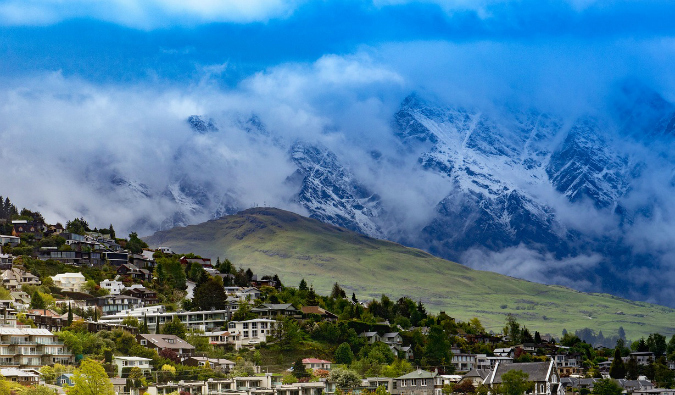
Everyone hypes Queenstown. Everyone. But Queenstown is everything they say it is—and more. It has such a feisty and outdoorsy energy to it. Even though it has become hugely popular and filled with people, I cannot express my love of Queenstown enough. It’s surrounded by beautiful peaks, has narrow streets and pedestrian lanes filled with shops and restaurants, a spectacular, crystal like lake, tons of trails and parks, with Queenstown Hill watching over it like a benevolent overlord. This is one of the best spots in the country to do an extreme sport (bungy, skydive, shotover jet, etc), take a wine tour, or just chill out on a nearby beach.

Further Reading

Visit Hobbiton

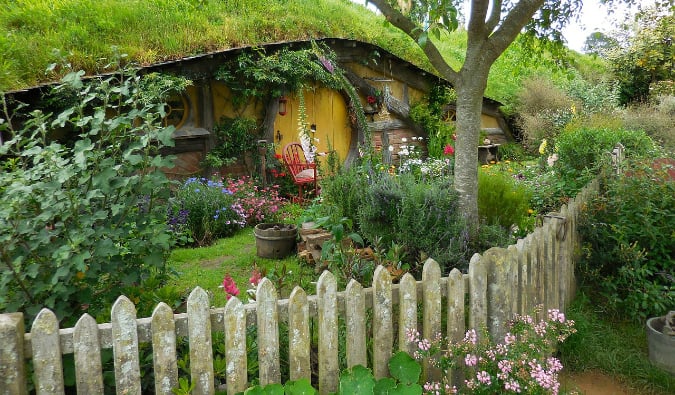
Hobbit homes
If you’re a The Lord of the Rings junkie, New Zealand is perfect for you. This is where they did all the filming, and throughout the country, you can take Lord of the Rings tours and visit Fangorn Forest, Gondor, and where Frodo destroys the one ring. Most of the sets were taken down, but a bit of the Shire and some of the hobbit houses still remain on the North Island.

Explore Fiordland

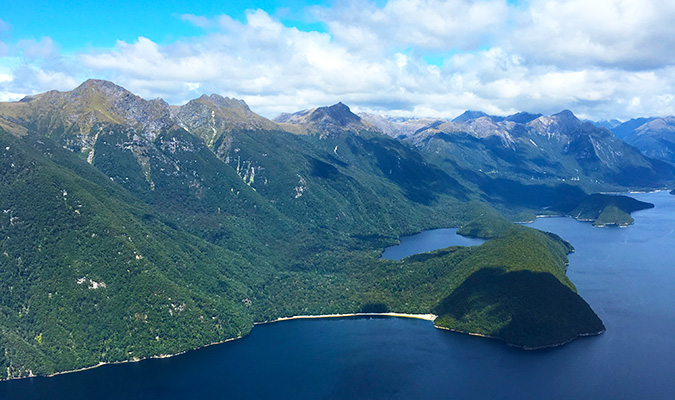
A view of the fjord from the seaplane
Located in the southwesternmost part of New Zealand (and also home to numerous Lord of the Rings film locations), the region is considered one of the country’s most scenic and remote. Filled with gigantic mountains, deep lakes, swelling rivers, untamed forests, and resplendent fjords, most of it has never been set upon by man. Save a few places where boats and planes can go, the government has made the land off-limits, ensuring that that will be the case for a long time to come. This region is home to the majestic Milford and Doubtful Sounds, the Milford and Keppler Tracks, and lots of camping and hiking opportunities. If you want to experience New Zealand’s nature away from the crowds, come here.

Further Reading

Discover Stewart Island

A view of Stewart island
Tiny, out-of-the-way Stewart Island lies off the South Island at the very, very bottom of New Zealand. It’s a place where Kiwis have their summer homes and go to escape the hustle and bustle of, well, I guess Auckland. (There’s not too much hustle and bustle in New Zealand.) The town has maybe a dozen buildings; the coastline dotted with private homes and boats. Come here to see dolphins and do some single-day or multiday treks. If you aren’t into hiking, you don’t need more than a day or two here, unless you really want some peace and quiet, then stay forever.

Chill out in Christchurch

a streetcar in Christchurch
Though severely damaged by earthquakes in the last few years, it’s becoming a brand-new city. The old Christchurch felt really stale to me but this new one is really on the up. While there’s still a lot of open space from demolished buildings, you’ll also find a lot of new construction, a sense of hope and vibrancy, funky bars, more markets, new restaurants, shops, and exhibits. Locals are really using this chance to make a better Christchurch. I loved my visit. If you’ll be there for a few days, be sure to check out Canterbury Museum and Quake City, and be sure to ride the gondola, as well!

Further Reading

Drink copious amounts of wine

Drinking wine in New Zealand
New Zealand is famous for wine, producing some of the best whites the world has to offer. If you like wine, be sure to take a tour in Otago (known for its pinot), Hawkes Bay, or Marlborough (known for sauvignon blancs). There are lots of biking trails here, so you can drink and bike around (better than drinking and driving!) if you don’t want to pay for an expensive tour. The Gibbston Valley bike trail runs from Queenstown to Cromwell and crosses through a number of vineyards. Be sure to stop at Wet Jacket, a converted sheep shed-cum-winery with a cheese room.

***
This list only scratches the surface of what there is to see and do in New Zealand. There’s also the Bay of Islands, Raglan for surfing, the Coromandel, Dunedin for beer, Wanaka and Mt. Cook for hiking, Hammer Springs for hot springs, and, well, you get the idea. Everyone will find something to enjoy in this country filled with adventure and wildlife. Travelers rarely have anything bad to say about New Zealand, and, as you can see, you’ll find plenty of activities to see and do in the country.

Go visit. It awaits!

Photo credit: 8, 12

For more information on traveling this country, costs, and things to do, visit my guide to New Zealand travel.

The post 13 Great Reasons to Visit New Zealand appeared first on Nomadic Matt's Travel Site.


April 12, 2018 at 03:00PM

fom https://ift.tt/2GSBoDA
by IHholiday Travel trip

lunes, 9 de abril de 2018

How to Be More Interesting While Traveling

travelers sitting together outside
One of the most common questions I get asked by new travelers is, “Will it be hard to meet people when I’m traveling?” Not everyone is outgoing, extroverted, or comfortable in social situations. When it comes to traveling, introverts will need to work a little harder to interact and connect with their fellow travelers. In this guest post, Vanessa Van Edwards from ScienceofPeople.com shares her expert behavioral tips and tricks on how to be meet people and be more interesting when you travel (or just in general).

They say travel is an itch. For me, it was more like a full-body rash.

Was that metaphor awkward? Yeah, I’m not surprised. That’s me. My name is Vanessa, and I am a recovering awkward person.

Growing up, I was terrified of recess. I couldn’t make a friend for the life of me, and my crushes gave me hives. Literally, full-body hives from social anxiety.

When I got bit by the travel bug, I hoped and prayed I would be able to do it solo and that travel would obliterate the anxiety I had. I wanted to travel to be an escape from my past and a way to be someone new.

These days I research what makes people tick, what drives our actions, and how to hack human behavior for good at my website, The Science of People. As a recovering awkward person, I’m fascinated by what makes people tick and how we can overcome our social anxiety.

For most of us, it’s not easy to make friends or know what to say to strangers — especially ones from a different culture or background. While we all have this image of making beautiful connections when we travel, experience and research have shown me that it’s not as easy as we imagine.

But, experience and research have also shown me that it doesn’t have to be hard either.

Here are my favorite tricks and tips for building friendships, starting conversations, and being more interesting while traveling.

Use Identifiers

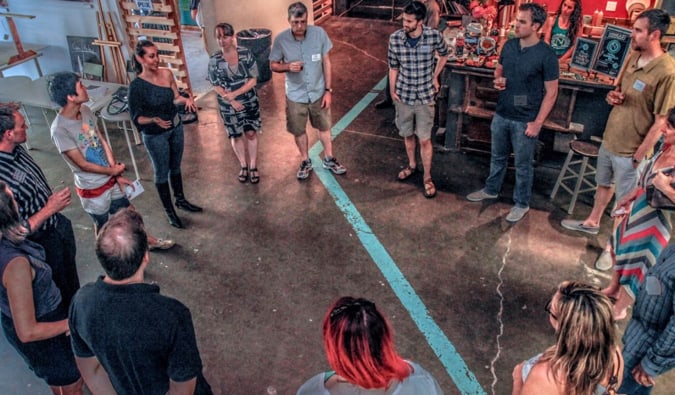
Best-selling author Vanessa Va Edwards leading a discussion
I never realized how many hundreds of opportunities there are to meet people while traveling — whether fellow travelers on buses, trains, and planes or locals at supermarkets, museums, and malls. It’s best, though, if you can find a way to give people a reason to talk to you. This is where identifiers can come in handy.

Identifiers are objects, clothing, or props that identify commonalities between people. It’s something that someone can use as a reason to talk to you. You often want to wear, carry, or showcase in your everyday appearance, such as:

  • A T-shirt of your favorite band
  • A hat with a funny saying
  • A flag (or flags) on your backpack
  • A unique or heritage piece of jewelry
  • A sports jersey with a team’s logo on it
  • A classic book visible in your back pocket or backpack

These items make it easier for others to talk to you, whether it’s a stranger approaching you on the street or a seatmate on a bus. Why? Because they can start a conversation. They give you and your new friends something to break the ice and talk about. And once you start talking, it becomes easy to just keep talking.

One of my favorite identifiers are my cowboy boots. I wear them when I travel, and people who also love country music and rodeos bring them up and we get to talking.

Be Approachable

Best-selling author Vanessa Va Edwards posing with her audience
If you want to meet people, you have to be approachable. I used to sit with my arms crossed, backpack on lap, head down in a book. Then I met Sarah at a hostel in New Zealand. I had been in Christchurch for about three days already when this nice Australian came over to my table in the common room.

“Hey! I saw your Hello Kitty wallet. Love it.” (Yes, I use Hello Kitty sometimes as an identifier to attract nice people with soft hearts.)

We carried on a friendly conversation and she finally said something I’ll never forget:

“You know, I saw you the first day at breakfast and the second day at lunch and then this morning. But you always looked like you didn’t want anyone to talk to you, so I never said hi. If you want people to talk to you, then you have to look like you want to be talked to!”

Boom! Her statement hit me like a ton of bricks. She was right. I did look closed off…because I felt closed off.

Body language sends so many signals about your intentions to people that it is often more important than what you say. Research shows that a minimum of 60% of our communication is nonverbal. We send signals with our body language, facial expressions, and tone of voice. So use approachable body language, whether that’s in the common room of your hostel, at a local pub, or waiting for your luggage at the airport. Make it easy for people to say hello. Here’s how:

  • Keep your hands visible. Our brains need to see people’s hands to fully trust them since back in caveman times, humans relied on seeing hands to know they weren’t going to be attacked and to check for weapons. To this day, our hands serve as our trust indicators, so keep them out of your pockets and out of your luggage.
  • Leave your limbs uncrossed. Standing or sitting with your legs straight and arms at your side makes you look relaxed and confident. Plus, research shows that people struggle to get along when one or both have crossed limbs. Think: closed body, closed mind.
  • Make eye contact with strangers. When two people make eye contact, it triggers the release of oxytocin, a bonding hormone. If the other person is open to connection, this will prime them to want to talk to you.

To determine who you should approach, look for the above signs in other people, as they typically signal trustworthiness, friendliness, and openness.

A fun example of this is the drone my husband uses. This is not only an identifier — fellow drone lovers like to talk to him — it also helps him be approachable and open.

Ask for Lots of Travel Advice

Travelers hanging out together outside
Traveling in new locations fills you with questions like: Where are the best places to eat? What do I need to do to experience the city like a local? Where can I find [insert activity or place]? So once someone talks to you, here are some other easy, travel-friendly conversation topics you can broach:

  • What’s the coolest thing you have seen so far?
  • Have you met any interesting people while traveling? (If you want to be funny add: “…other than me, of course!”)
  • Any tips for this city/location?
  • Found any secret spots to get a good ____? (Insert your favorite cuisine or drink)

I would also say DON’T USE GOOGLE. Sure, it’s easy. But rather than finding those answers on your own, seek the advice of the locals and travelers around you. This is the easiest way to get insider tips to improve your travels and meet other people.

Studies also show that people who ask for advice are seen as more competent and likeable. Here’s why:

  • It validates the other person’s intelligence by acknowledging that they have information that you want.
  • Most people feel pleasure from helping others.
  • People have an innate desire to feel appreciated, and when you thank them for their advice, it satisfies that need.

Once you’ve asked for advice, you’ve made a great impression and it is easy to build a conversation from the suggestions they give you.

Pro tip: Before you leave, ask everyone you know if they know anyone you can meet when you start traveling. By using your social network, you can have friends waiting for you before you even arrive.

Think Like a Travel Journalist

a laptop and camera on a table
When travel journalists visit new places, they make it their mission to learn as much as they can about the city and local people. They observe, and they focus their conversations on asking people questions. Not only does this give them the information they need, it also helps them establish connections.

Similar to the previous tip about asking for advice, this tactic works because it focuses your conversation on the other person rather than yourself. Research shows that the pleasure centers of people’s brains light up just as much if not more when they talk about themselves as they do when receiving food or money.

On the airplane, or while hanging out in your hostel’s common areas or other public spaces, strike up conversations by asking people questions like:

  • What do you think of [something about your location]?
  • Where are you visiting from?
  • Why did you choose to come here?
  • What do you love about being here?
  • What’s been your favorite restaurant and why?

By starting conversations that invite people to talk about themselves, you start your interactions on a high, learn interesting information, and become someone people want to keep talking to.

Book Meals with Strangers

friends eating at a restaurant
If you want to meet people while traveling but the thought of approaching random strangers triggers your social anxiety, use travel apps to match with people in your area. Other travelers who use these apps also want to meet people, and so by using them and choosing to go to the same places and participate in the same activities, you automatically become someone they want to get to know.

Here are a couple of good ones to start with:

  • Vizeat
  • Eat With
  • Flip the Trip

There are amazing events everywhere. Using these apps, we ended up at Le Diner en Blanc, which happens in dozens of countries around the world. You wear white, meet new people, and have a great time.

***

People can be the best part of traveling — and no one was more pleasantly surprised about this than me! My favorite travel memories involve meeting new friends, getting insider tips from locals, and the spontaneous relationships I have built around the world. So use these tips to be more interesting, have better conversations, and enjoy the benefits of sharing your travel experiences with others.

Vanessa Van Edwards is a national best-selling author and lead investigator at her human behavior research lab, ScienceofPeople.com. Her groundbreaking book, Captivate: Use Science to Succeed with People, was chosen by Apple as one of the most anticipated books of 2017. She writes a monthly “Science of Success” column for Entrepreneur Magazine and the Huffington Post.

The post How to Be More Interesting While Traveling appeared first on Nomadic Matt's Travel Site.


April 09, 2018 at 03:41PM

fom https://ift.tt/2GJ5flP
by IHholiday Travel trip