sábado, 28 de diciembre de 2019

The 8 Best Napa Wine Tours

purple grains hanging on a vine in Napa Valley
Posted: 12/28/19 | December 28th, 2019

Napa Valley is easily one of the most famous wine-producing regions in the world, and last year nearly four million people headed there — it is big business for Northern California!

Of course, if you plan on spending some time in Napa Valley and nearby Sonoma, you’ll most likely want to explore some of the 600 wineries in the area. A great way to do this — both to get some local, insider knowledge and so that there’s no need to drink and drive — is to take a Napa wine tour.

There are nearly as many wine tour options as there are vineyards. I’ve listed some of my favorites here, and you can decide which fits your style and, more importantly, your budget. Just remember that you’ll usually also have to pay tasting fees on top of the tour costs — these vary between $20 and $40 — though many will waive that fee if you buy some wine. Also don’t forget, especially if you’re coming from outside the United States, that you’ll need to be 21 or over to join these tours, though some allow children to tag along.

1. Napa Valley Wine Trolley

If you’re after something a bit different, then the Napa Valley Wine Trolley is a good way to go. Instead of a regular tour bus, you’ll ride on a replica of a cable car. It’s an open-air car, of course, so make sure you pick the right weather to try this.

Tours leave from the Oxbow Market in Napa; a $99 tour includes four wineries and a casual picnic-style lunch, plus unlimited bottled water and soft drinks between tastings. You can upgrade to the full-day Castle tour ($139), which includes a two-hour stop and tasting at Castello di Amorosa.

2. Napa Valley Bike Tours

Of course, being a valley full of vineyards, Napa is a really scenic place, so exploring it by bicycle is a great option. Napa Valley Bike Tours offers either guided or self-guided rides, leaving from their store in Yountville. The popular half-day guided tour is $124 per person, with two winery visits and a great guide who’ll give you the full story of the area.

The handy part about the self-guided tours is that, besides being able to visit the wineries you choose at your own pace, you still get a box lunch, and any wine you buy will be picked up for you (riding with wine in your backpack gets old really fast). Self-guided tours cost $114 per person and also include comfy bikes, helmets, and all the planning info you need.

3. Calistoga Bikeshop

Another bicycle option is Calistoga Bikeshop, a popular rental shop that also runs guided day tours for $150, including a hybrid bike, a picnic lunch, and pick-up for any wine you buy. The guides plan a unique route depending on what the group members want, starting from their shop in Calistoga.

If you have an extra day in the area and don’t need more wine, Calistoga also offers great mountain biking trips to the Palisades or along the Oat Hill Mine Trail.

4. Platypus Wine Tours

Platypus brands itself as the “anti-wine-snob wine tour,” so if you want to have a fun day learning more about wine, then this is a good choice. (The name is memorable, but you won’t actually see a platypus anywhere in Napa Valley, in case you’re wondering.)

Platypus runs small-group trips, taking in four wineries for $110 (including a picnic lunch), focusing on small and medium-sized, usually family-owned wineries. You can choose from tours centered on Sonoma Valley, Napa Valley, or North Sonoma.

5. Active Wine Adventures

As the name suggests, Active Wine Adventures offers tours that include more than just wine tasting, so it’s a great way to explore Napa Valley. For example, the Hike & Wine tours start with a two-hour hike in some of valley’s beautiful landscapes and move on to a lunch and winery tasting experience. These cost $139 plus lunch because you can choose from a high-end restaurant lunch or a vineyard picnic. They offer similar tours in the Sonoma area, too.

6. Green Dream Tours

Try some wine and help the world. Green Dream has a focus on sustainability: besides using green business practices, it also buys carbon offsets to balance its use of fuel. Their Napa Valley tours ($144, $154 on weekends) are among the few where the tasting fees at three boutique wineries are included.

Green Dream also offers a combo tour, taking in three wineries across Sonoma and Napa Valley, with lunch at the Oxbow Public Market ($139 weekdays, $149 weekends). For visitors to San Francisco, there’s a combo with a tour of Alcatraz plus two Sonoma boutique wineries, for $179.

7. Small Lot Wine Tours

If you’re coming by car to the Napa Valley region, then Small Lot can be a really budget-friendly way to enjoy a wine tour. They provide a tour guide who’ll drive your car for you for the day, and design a tour route just right for you, depending on the kind of wine you want to taste, what you want to do for lunch, and whether you’re planning on buying wine. At $50 per hour (with a four-hour minimum), if you’ve got a car full of friends, this can work out to be one of the cheapest ways to explore Napa but still have local expert advice.

8. Napa Valley Wine Country Tours

Napa Valley Wine Country Tours offer full-day trips from San Francisco, including a Golden Gate Bridge photo opportunity, to four wineries in the Napa and Sonoma regions. Tours include a picnic lunch and are usually $119 per person (sometimes there are $99 specials on the website).

For something a bit different, they also run wine tours around the Napa Valley in an open-top convertible limousine, including a castle visit, for $150.

***

There are so many options for touring the Napa Valley and experiencing all the wine culture the area has to offer, depending on your tastes and preferences. These suggestions should ensure that you have a great day out exploring one of the world’s most famous wine regions.

Book Your Trip to Napa Valley: Logistical Tips and Tricks

Book Your Flight
Find a cheap flight by using Skyscanner or Momondo. They are my two favorite search engines because they search websites and airlines around the globe so you always know no stone is left unturned.

Book Your Accommodation
You can book your hostel with Hostelworld. If you want to stay somewhere other than a hostel, use Booking.com as they consistently return the cheapest rates for guesthouses and cheap hotels. I use them all the time.

Don’t Forget Travel Insurance
Travel insurance will protect you against illness, injury, theft, and cancellations. It’s comprehensive protection in case anything goes wrong. I never go on a trip without it as I’ve had to use it many times in the past. I’ve been using World Nomads for ten years. My favorite companies that offer the best service and value are:

Looking for the best companies to save money with?
Check out my resource page for the best companies to use when you travel! I list all the ones I use to save money when I travel – and I think will help you too!

The post The 8 Best Napa Wine Tours appeared first on Nomadic Matt's Travel Site.


December 26, 2019 at 11:18PM

fom https://ift.tt/2EZQUOD
by IHholiday Travel trip

viernes, 27 de diciembre de 2019

How to Use the Sharing Economy to Travel on a Budget

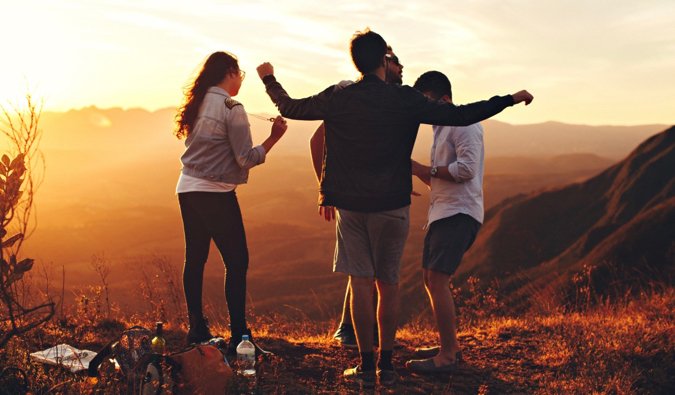
A group of travelers having a picnic on a mountain at sunset
Updated: 12/27/2019 | December 27th, 2019

In the decade that I’ve been traveling, the Internet has revolutionized travel. While not always for the better, there is no question that it has allowed people to share, connect, and collaborate in ways that haven’t been possible.

For budget travelers, this change has led to a plethora of new money-saving and community-building apps and platforms that have made travel even more affordable and accessible. It’s never been easier to connect with locals, get off the tourist travel, and experience the local pace of life.

To help you save money and connect with locals and travelers alike, here are the best sharing economy platforms for travelers.
 

Hospitality Networks

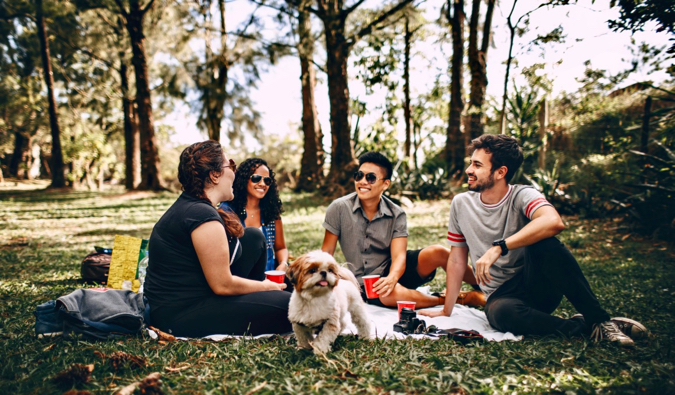
A group of Couchsurfers having a picnic together
Hospitality networks have been around for decades but they didn’t get popular until the creation of Couchsurfing.

Founded in 2004, this was one of the first sharing economy platforms to change the way people travel. Couchsurfing connects travelers with locals who are willing to give them a free place to stay (couch, room, floor, etc.). In addition to accommodation, travelers get a local perspective on a destination. It’s meant to be used as a form of cultural exchange and is used by travelers of all ages (and families too!).

Couchsrufing popularized hospitality networks and, with millions of members all around the world, it’s easy to use and find hosts pretty much anywhere. And if you don’t want to stay with locals, you can use the app to meet other locals and travelers for coffee, a meal, a visit to a museum, and other fun activities.

There are always meet-ups posted on the platform (including lots of language exchanges) and it’s easy to find travel companions on the app as well. (My Community Manager has used it to find road trip companions on a few occasions).

But there is more than just Couchsurfing out there. Other hospitality exchanges worth checking out are:


House and Pet Sitting

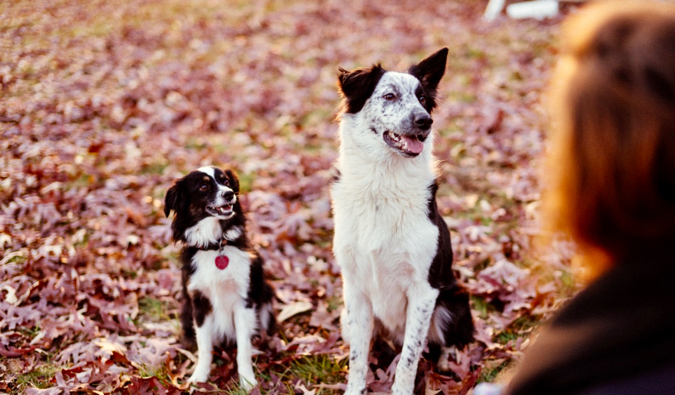
Two cute dogs being walked by a pet sitter in a park
One of the most recent areas of the sharing economy to see major growth has been house sitting and pet sitting. As more and more people travel, there is a growing demand for house and pet sitters as most people can’t bring their pets (or farm animals) on a trip with them.

On the other side of the coin, more and more travelers are looking to travel slow. There are also tons of digital nomads out there who need long-term bases to work from as well. House sitting and pet sitting websites like Trusted Housesitters have done an amazing job at connecting these two demographics.

Much like Airbnb, there are profiles, ratings, and reviews to ensure the platform is safe for everyone involved.

I know bloggers who travel exclusively via house sitting, cutting their travel costs by as much as 30% a year! If you’re looking for a unique and fulfilling way to travel slow, try pet sitting. Because who doesn’t want to spend their time with cute animals?

Other house and pet sitting webistes you can use are:


Apartment Rentals and Paid Accommodation

A cozy Airbnb apartment rental with lots of plants and light
Hotels are expensive. Maybe hostels aren’t your thing. So, what’s the next best choice? Renting someone’s apartment (or a room in it)! On apartment sharing/rental websites, you can rent a room, couch, or whole apartment at much cheaper rates than a hotel room.

Plus, you’ll have a local host to answer your questions and a kitchen to prepare meals. It’s the best middle ground between hostels and hotels. I think Airbnb offers the most robust inventory for finding a spot in someone’s house, and I prefer them the most. (That said, Airbnb is far from perfect.)

However, it’s important to always compare rental sites because, unlike hotel sites where properties appear over multiple websites, listings are at the owner’s discretion and some owners list their property on only one site.  (If you’re new to Airbnb, get $35 off your first stay!)

Similar services to Airbnb include:


Eat With Locals

A group of travelers using the sharing economy to have a meal together
Like apartment sharing, there are now meal-sharing sites that connect you with local cooks. EatWith lets locals post listings for dinner parties and specialty meals that travelers can then sign up for.

You can pick from a variety of meals in each destination with each meal uniquely designed and priced (like Airbnb, hosts choose their own prices). Since each cook has their own specialties, you can find a ton of variety on this platform. The dinner parties are intimate, insightful, and are a unique opportunity to do something different, pick a local’s brain, and make new friends.

Similar services include:


Taxis

A smartphone user using the Lyft app on their phone
In many countries around the world, taxis are incedibly expensive. As a budget traveler, you likely avoid taking them as much as possible. However, every now and then we all need one. Instead of calling a regular taxi, use taxi ridesharing apps to save you money.

Lyft is available around the world and is an affordable option of budget travelers. Uber is the other main option. It’s usually a little bit more expensive than Lyft but the cars are nicer and the service a little more professional.

Both options will save you money (especially if you use the “pool” option to share your ride with other potential customers). If you choose Uber, use code jlx6v to save $15 off your first ride. Other apps that replace taxis are:


Car Rentals

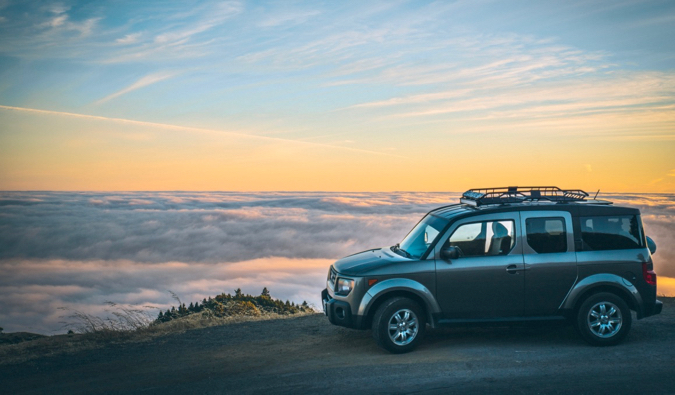
A car rental parked near a beautiful view surrounded by clouds
Need a car for a few hours — or a few days? Rent someone else’s! Turo (which is available in the US, Canada, the UK, and Germany) allows you to rent people’s unused cars by the hour or by the day. Prices are usually cheaper than your traditional rental, and you’ll have much more variety too.

Car rental platforms are great for short rentals where a traditional company might be inflexible or overpriced. Other car rental apps worth checking out are:


Rideshares

Two friends in a car together starting a road trip
Rideshares are a convenient and cheap way to travel medium and long distances. Instead of taking the train or a bus, you can use ridesharing apps to find locals and travelers who you can, for a small fee, share a ride with.

It’s a popular option in Europe and, while usually not as cheap as the bus, it’s often much faster (and more comfortable).

Drivers are vetted and verified and it’s a much better way to get out of stuffy trains and buses, meet interesting characters, and take a mini-road trip. It’s one of my preferred methods of travel.

The biggest player in this space is BlaBlaCar, which is huge around Europe and a couple other parts of the world (like India, Turkey, Mexico, and Brazil).

If you’re traveling on a budget and want to have a more memorable experience, try a rideshare. It will save you money, time, and you’ll have a much more interesting experience!

Some other good ridesharing companies:


Volunteering/Work Exchanges

A group of young kids in Southeast Asia posing for a picture
If you’re looking to travel long-term but don’t quite have the savings, consider a work exchange program. These usually entail volunteering at a hostel, farm, school, or NGO in exchange for free accommodation (and often free food as well).

Positions can last for a couple of days to a couple of months; there is tons of variety in the lengths of time as well in the positions available. You can find opportunities in pretty much every country and city in the world too.

Worldpackers is one of the best platforms to start your search in. You simply pay to sign up (most work exchange websites charge a nominal fee) and then you’ll get access to their database. You can search for opportunities, read reviews, and contact hosts directly to plan your next exchange.

If you’re on a budget and want to extend your travels, this is one of the best ways to boost your time abroad. Other great work exchange resources are:

***

The rise of “the sharing economy” has made it so much easier for travelers around the world to connect with each other — and save money in the process!

But more than just saving money, these platforms allow better access to destinations, promote new interactions, offer unique opportunities, and create nuanced and intimate travel experience.

On your next trip, be sure to give the sharing economy a try. You’ll learn much more about the culture and destination, save money, and have a much more memorable experience.

Book Your Trip: Logistical Tips and Tricks

Book Your Flight
Find a cheap flight by using Skyscanner or Momondo. They are my two favorite search engines because they search websites and airlines around the globe so you always know no stone is left unturned.

Book Your Accommodation
You can book your hostel with Hostelworld as they have the largest inventory. If you want to stay somewhere other than a hostel, use Booking.com as they consistently return the cheapest rates for guesthouses and cheap hotels. I use them all the time.

Don’t Forget Travel Insurance
Travel insurance will protect you against illness, injury, theft, and cancellations. It’s comprehensive protection in case anything goes wrong. I never go on a trip without it as I’ve had to use it many times in the past. I’ve been using World Nomads for ten years. My favorite companies that offer the best service and value are:

Looking for the best companies to save money with?
Check out my resource page for the best companies to use when you travel! I list all the ones I use to save money when I travel – and that will save you time and money too!

The post How to Use the Sharing Economy to Travel on a Budget appeared first on Nomadic Matt's Travel Site.


December 27, 2019 at 05:22PM

fom https://ift.tt/2s8KOrk
by IHholiday Travel trip

How Families and Senior Travelers Can Use this Website

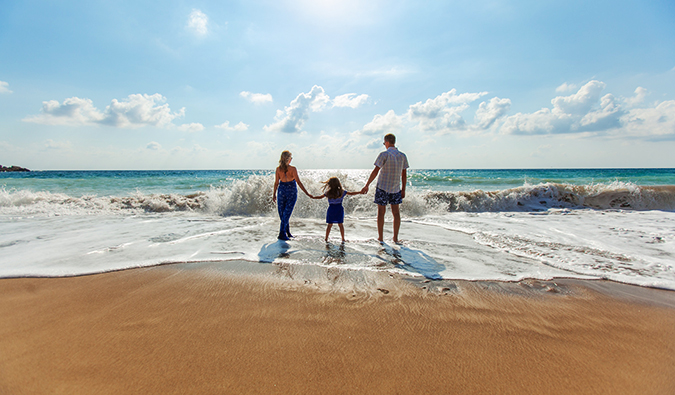
A traveling family at the beach stanind near the water
Updated: 12/27/19 | December 27th, 2019

I’m 38, single, and I travel solo. These are things that probably won’t change anytime soon (though my mother keeps asking me when that second one will).

As such, most of the travel tips on this website tend to be focused on what I, a single traveler, learn about traveling better, cheaper, and longer.

But that doesn’t mean my advice is only for solo travelers.

My belief is that budget travel tips are universal because when we all touch down in, say, London, we all deal with the same costs. We may end up staying in different places and eating in different restaurants, but the methods we use for saving money will generally be the same.

A common question I get asked is if my advice will work for families or older travelers. (It’s also brought up in my reader surveys: “Matt, I wish you would write more for those with families or older travelers.”)

There’s a common perception that family and senior travel is an inherently different form of travel that requires special considerations. I know not everyone thinks that way, but I often feel that the question, “Can you write tips that apply to family/senior travel?” implies that distinction.

But I don’t think that is really the case.

Sure, when you’re traveling with a family, you want kid-friendly activities and restaurants, and maybe you just won’t stay in a hostel dorm together. But is that really a whole new form of travel?

I don’t believe so.

You’re just looking for different things within the realm of budget travel.

Of course, not every budget-travel tip applies to every traveler. We all have different desires and needs and, since the question above is a very valid one, I wanted to show how you can apply the advice of this solo traveling nomad to your family trip or, if you’re older, highlight some different accommodation types and tour information.

(Disclaimer: I’m not pretending to know about how best to travel with children or the needs of older travelers. I don’t. But since this is a question that comes up a lot, I just want to collate the tips and articles on my website to create a resource page that I believe can help in your planning.)

Family Travel Tips

The wide wide world family posing for a family photo with an elephant
Like solo travelers and senior travelers, families that travel together are going to have three major expenses:

  • Flights
  • Accommodation
  • Food

The more you can lower your expenses, the longer you’ll be able to travel. To that end, here are some tips, tricks, and resources to help you save money on your trip so you can

How to Save Money on Flights

It’s one thing to buy a flight for one person; it’s another to buy flights for four or five people. That $700 flight suddenly becomes $3,500, and that’s just more money than most of us can or want to spend. Seeing that number just for the flights would keep me at home!

To help you save money on flights, here are the 5 steps I follow whenever I am searching for a deal. It will work just as well for families as it does for me, a solo traveler. Nine times out of ten, I’ll be able to save myself some money following these steps — and I don’t have to spend hours researching either.

1. Start your search on flight deal websites – These sites will have rare deals that won’t last long. It’s a great place to start to get ideas and find last-minute deals. If you’re not picky about where and when you travel, you’ll likely find some great flight options here. My favorite sites for flight deals are:

I compare what I find there with ITA Matrix. It allows for complex searches and is used by every avid flyer I know. While it only searches major airlines, it has a calendar option so you can see prices over the course of the month. It’s helpful to show you the approximate baseline price. You’ll want that moving forward so you can compare other sites to find the best deal.

2. Search budget carriers – Next, I visit Momondo and Skyscanner. I’ll check these sites for budget carrier options. There are a lot of third-party options here as well. If the price difference is huge it might be worth booking via a third-party site (just read their reviews first — and make sure you buy travel insurance just in case!)

3. Check Google – Third, I check Google Flights to see if it is cheaper to fly to a different airport. For example, if you’re flying to Paris from New York City, it might be cheaper to fly to Dublin and then book a cheap Ryanair flight (I once did exactly save and saved $200 when compared to a direct flight to Paris).

4. Visit the airline’s website – After I’ve searched for deals and budget flights, I check directly with the airline. Airlines occasionally offer cheaper prices to encourage customers to book directly with them. You’ll also have more peace of mind booking direct since there won’t be a third-party involved should a delay or cancelation occur. That said, more often than not, you won’t find the cheapest prices directly with the airline.

5. Book and review – By now, you should have found the best deal. Book it! Then, in 23 hours, do another quick search. Clear out your browser’s cookies and do a quick search to see if the price dropped. Many airlines let you cancel for free within 24 hours. If you find a better deal, cancel and rebook. If not, stick with your flight and call it a day! (Make sure your flight has free cancelation within 24 hours before you book a new flight)

In addition to following those simple steps, here are some other helpful things you can do to find the best flight deal for your next family trip:

Use travel credit cards to get pointsTravel hacking is vital when you have to buy multiple airline tickets. With very little work, you can accumulate hundreds of thousands of points — enough to get you and your family anywhere in the world.

These days, there are tons of amazing travel credit cards that provide incredible perks and value for avid travelers. These include 5x points on certain spending categories, huge sign-up bonuses, lounge access, Global Entry, and much, much more!

I earn over 1 million points per year — and you can too. Best of all, it doesn’t require any extra spending either.

Visit a travel agent – Believe it or not, travel agents can still be good for bulk flight discounts, especially culturall-specific travel agents that specialize in flights to their country of origin (for example, buying flights to China in Chinatown).

Beyond using points or finding some amazing deal, there’s not much you can do to lower the cost of flights (whether for a single traveler or a family). Airline ticket prices are going up and we’re all going to suffer. There are ways to avoid being the person who pays the most for their ticket but, without points, there’s no way to get free or very discounted flights.

For more tips and advice on finding a cheap flight, here are some helpful posts:

Finding Budget-Friendly Accommodation

This is another big cost that doesn’t need to break your bank. The biggest way to win: skip the hotel. Hotels are the most expensive form of accommodation. Luckily, there are some great alternatives. Here’s how you can overcome (or cut) these costs:

Stay in a family-friendly hostel – Hostels are not just for young, single backpackers. There are many hostels out there that are great for families (and tour groups) that don’t have the party atmosphere normally associated with hostels.

One of the best family-friendly hostels in the world is the chain Youth Hostel Association. They offer nice, quiet, clean rooms, and have hostels around the world.

Use Hostelworld.com to find quiet, family-friendly hostels. You can read reviews, see what facilities and amenities there are, and look at photos to find the perfect hostel for you and your family.

Rent someone’s home or apartment – Vacation rental sites can get you all the comforts of home while on the road and work out cheaper per person than a hostel or hotel. In many instances, you can rent a whole apartment for prices similar to budget hotels. This will allow you access to self-catering facilities so you can cook your own meals, saving you even more money in the progress.

The best apartment rental sites include:

  • Airbnb – The best platform for finding private rooms and entire homes for rent. There are both budget-friendly and luxury options too. (You’ll want to read this before using the platform though)
  • Homeaway – Similar to Airbnb, HomeAway offers vacation and short-term apartment rentals all round the world (they recently merged with VRBO so they have a sizeable list of properties too).
  • Campsapce – A platform for renting space to camp on private property, as well as cabins, lodges and other more rustic accommodation.

Use last-minute hotel discount sites – If you do need a hotel, use websites like Hotwire, HotelTonight, and Priceline to find cheap, last-minute hotel rooms.

Use a hospitality network – Many of the hospitality networks like Couchsurfing, Hospitality Club, and Servas have numerous hosts who take families. You’ll need to spend a bit more time finding and connecting with them, but it’s definitely possible.

There is often this perception that these websites are for just young, solo travelers, but many, many hosts take families (Hospitality Club and Servas more so than Couchsurfing). You get to know a local family with these websites, and your kids will have other kids to play with, too! Win-win.

For more information and tips on finding cheap accommodation, check out these relevant blog posts:

Cutting Food Expenses

I imagine feeding a family is not very cheap (I know, I know — Captain Obvious over here, right?). When you’re traveling, being budget conscious becomes even more important, as food costs can ruin your budget. Here are some tips that can help:

Cook – Obviously, cooking food will be cheaper than eating out. Visit local markets or grocery stores, get some food, and have a picnic or make sandwiches for later. When I don’t have access to a kitchen, I buy a lot of pre-made meals at supermarkets. They aren’t world-class meals but they do the trick.

Get lunch specials – The best time to eat out at restaurants is during lunch when places offer lunch specials and set menus that are cheaper than dinnertime menus. This is especially true around North America, Europe and in Singapore.

Food trucks/street food – If you’re in a place with food trucks or street food, eat there. Not only will these meals be cheaper, they will probably be tastier too. Food trucks and street stalls are my favorite places to eat. You can find meals for under $1 USD in many parts of the world, making it easy (and cheap) to feed a family.

Don’t eat near tourist attractions – This is an important rule of mine. If you eat near a major site, food will be three times as expensive and probably a third as good. Walk at least four blocks away before you pick a restaurant. You’ll get cheaper, more authentic local food this way.

Stick to local food – Local food is always going to be cheaper than imported food, non-seasonal food, and western food. If you want to stick to your budget, eat what the locals eat.

For more tips and information on eating cheap while traveling, check out these posts:

Saving Money on Attractions

Use city tourism cards to get discounts and free entrance into local museums and attractions. Tourism offices (think London Tourism, Paris Tourism, New York Tourism, etc.) offer these cards that give you free entry and substantial discounts to participating attractions and tours in a city, free local public transportation (a huge plus), and discounts at a few restaurants and shopping malls.

They last for a varying number of days and are one of the best ways to see many attractions on the cheap. (Remember, kids below 12 get into most museums for free.)

Moreover, student and youth discount cards are available for people over 13. These cards will give free or discounted access to museums and attractions around the world. You can get these cards at STA travel.

How Senior Travelers Can Travel on a Budget
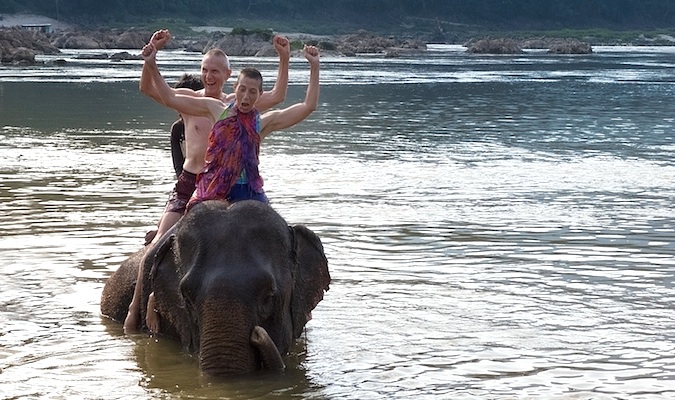
Don and Alison, a happy senior couple traveling the world posing with an elephant

Accommodation for Older Travelers

While many of the tips above will also apply to older travelers, the most common concern I hear from older travelers is that I write too much about hostels. I think many older travelers feel that they won’t fit in if they stay in a hostel, which just isn’t the case (ok, maybe that’s true if you stay at a party hostel). But most hostels are inclusive and you’ll find a pretty wide variety of ages.

In fact, lots of boomers use hostels. Both dorms and private rooms are great options because they provide lots of space to meet other travelers, get tips, and share your own experiences.

I’ve even met travelers in the 70s using hostels!

That said, here are some budget-friendly alternatives to your standard hostel:

What About Medical Issues?

The most common topic I get questions about from older travelers is the issue of medical concerns. From getting prescriptions abroad to finding coverage for pre-existing conditions, older travelers often (but not always) need to spend more time and energy making sure their medical needs are properly addressed.

Fortunately, it’s never been easier to have these issues looked after. Many doctors will supply prescriptions in advance so you can purchase what you need abroad conveniently and safely. Additionally, there are more and more insurance companies that provide coverage to older travelers.

Insure My Trip is the best place to start as they can find plans that cover travelers 70+. (For younger travelers, World Nomads is my preferred company).

For additional coverage, travelers under 75 can use Medjet. Its the premier global air medical transport and travel security membership program. They provide comprehensive evacuation coverage that ensures you won’t get stuck at a foreign hospital should something happen during your trip.

Tours for Older Travelers

Another question that gets posed a lot is how to avoid those expensive single supplements tour groups charge for individual travelers. To avoid those fees, use small group tour operators like Intrepid Travel. It’s really only the large bus companies that still have that fee anyway (think Globus or Trafalgar tours).

Most small operators have discontinued the practice of single supplements. Generally, anyone who runs groups smaller than 15 travelers or offers a hop-on/hop-off style service won’t require a single supplement.

For more tips, information, and inspiration, here are some insightful posts for older travelers:

***

Nothing is ever universal, but tips for solo travelers, couples, families, or older travelers are not mutually exclusive. They can be borrowed from each other and used as you see fit.

I write as a solo traveler who likes to save money, and while not all my tips are applicable to every type of traveler, most can be. I hope this post addressed some of the questions you had about what tips on this site are relevant to family and senior travel.

Book Your Trip: Logistical Tips and Tricks

Book Your Flight
Find a cheap flight by using Skyscanner or Momondo. They are my two favorite search engines because they search websites and airlines around the globe so you always know no stone is left unturned.

Book Your Accommodation
You can book your hostel with Hostelworld as they have the largest inventory. If you want to stay somewhere other than a hostel, use Booking.com as they consistently return the cheapest rates for guesthouses and cheap hotels. I use them all the time.

Don’t Forget Travel Insurance
Travel insurance will protect you against illness, injury, theft, and cancellations. It’s comprehensive protection in case anything goes wrong. I never go on a trip without it as I’ve had to use it many times in the past. I’ve been using World Nomads for ten years. My favorite companies that offer the best service and value are:

Looking for the best companies to save money with?
Check out my resource page for the best companies to use when you travel! I list all the ones I use to save money when I travel – and that will save you time and money too!

The post How Families and Senior Travelers Can Use this Website appeared first on Nomadic Matt's Travel Site.


December 27, 2019 at 03:00PM

fom https://ift.tt/2feoKGv
by IHholiday Travel trip

jueves, 26 de diciembre de 2019

How to Stay Fit and Healthy on the Road

A lone runner sprinting on a beach at sunset
Updated: 12/26/19 | December 26th, 2019

I’m not a healthy guy. OK, I am a very healthy guy when I am home in my apartment with my juicer, kitchen, and nearby Whole Foods. On the road, it’s another story.

Even with the high expectations and goals I set for myself a few years ago, I’ve failed at maintaining a healthier lifestyle on the road. While I make more health-conscious decisions, I still go out too much, never sleep, and stuff my face with pizza because it is convenient.

To try to change that, I met up with my friend Steve Kamb, the legend behind Nerd Fitness, a site dedicated to helping nerds stay fit. Steve travels a lot too and he knows how to balance life on the road with staying in shape.

We sat down together to talk about all things fitness and travel. Here are Steve’s top tips for staying healthy and in shape while traveling.

My Interview with Steve

For more travel and fitness advice, here’s an interview with Steve I did a few years ago. It’s full of helpful tips and advice and expands on many of the points above.

If you really want to learn how to stay in shape (both at home and abroad), watch this video!

7 Tips for Staying In Shape While Traveling

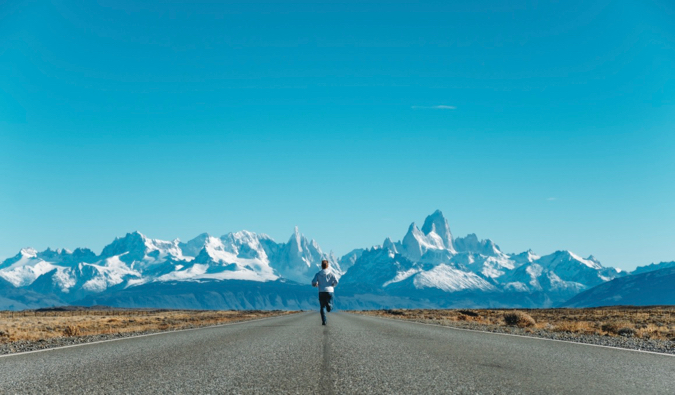
A solo traveler running down a paved road toward snow-capped mountains
1. Make Healthy Living on the Road a Priority!
Yes, you DO have time to exercise; you just need to make time for it. You can complete a workout in 20 minutes in your hotel room or hostel using basic exercises — and you don’t need any equipment!

Here are some simple and effective exercises you can do in your hotel, hostel, or even just a nearby park:

  • Jumping jacks
  • Push-ups
  • Sit-ups
  • Burpees
  • Lunges
  • Squats
  • Stretching/yoga

Even just 5 minutes of these exercises will have you sweating. And you can literally do these exercises anywhere too. Where there’s a will, there’s a way!

2. Walking for the Win!
Do everything you can to walk as often as possible. There’s no better way to explore a city than on foot. You get to take in a lot more of the local life and it’s much easier to get away from the crowds this way. Plus, it’s cheaper than taking a taxi or paying for a bus ticket.

If just exploring at random isn’t exciting, sign up for a walking tour. Most cities will offer free walking tours that usually last between 1-3 hours. Not only will you get an insightful introduction to your location but you’ll get in a lot of steps too!

3. Playgrounds and Parks
Check Google Maps for a nearby park and walk over there for your workouts. Many parks have equipment you can use to work out with, though if they don’t you can do pull-ups on swing sets or tree branches. Get creative!

Also, check websites like meetup.com for regular workout groups. Most cities have running clubs that host weekly runs, yoga sessions in the park, tai chi, and other sports/activities. Check around to see if there is anything nearby that piques your interest and will help you stay active.

Don’t be afraid to try new things, either! Plogging (jogging and picking up trash), slacklining, tumbling, parkour — there are tons of unique options to be found if you spend a little time looking.

4. Diet is 80% of the Battle
As a budget traveler, chances are you’re working hard to lower your food budget. That likely means that you’re not eating well. Consider upping your food budget (even slightly) so you can eat healthier.

Get some protein and veggies in your diet! Don’t be afraid to do a healthy “family dinner” with hostel mates where you all split the cost. You can also try changing up your diet to better suit the local options. That way, you’ll be eating more fresh produce while supporting the local economy.

You can also make more drastic changes to your diet as well. It’s never been easier to travel with a plant-based diet and still stay healthy and energetic.

That doesn’t mean you need to cut out all the junk or cheap drinks. But your diet is the most important component when it comes to health and fitness. Invest in it!

5. Do the Best You Can
If you only have 10 minutes to exercise, exercise for 10 minutes! Every little bit adds up, and 10 minutes is better than nothing. If you have to eat poorly at the train station, make up for it the next day.

At the end of the day, it’s all about progress. Not perfection. Do your best. Lay the groundwork for better habits. Nothing happens overnight, but every step in the right direction will help you reach your goal.

6. Employ the “Never 2” Rule
If you miss a day of exercise for whatever reason, don’t allow yourself to miss two days in a row. If you eat one bad meal, that next meal should be healthy. Never two in a row.

By employing the “Never 2” rule you’ll be able to prevent bad habits from taking hold. The odd day off or cheat meal? No problem. But when it comes to staying in shape, consistency is key. Try to keep your momentum going. You’ll see results much quicker that way, which will encourage you to stay on track.

7. Have Fun!
Don’t be afraid to have late nights with friends or say yes to crazy adventures. After all, that’s why we travel!

Just make sure you get right back on track as soon as possible afterward so you don’t lose the momentum you’ve built up. While it might seem challenging to balance fun and fitness, it just takes a little practice and effort. Once you get the habit in place, you’ll wonder why you didn’t start sooner!

****

For more fitness tips and information, check out Nerd Fitness. It’s a great resource for travelers and non-travelers alike who want to get fit and have fun doing so!

Book Your Trip: Logistical Tips and Tricks

Book Your Flight
Find a cheap flight by using Skyscanner or Momondo. They are my two favorite search engines because they search websites and airlines around the globe so you always know no stone is left unturned.

Book Your Accommodation
You can book your hostel with Hostelworld as they have the largest inventory. If you want to stay somewhere other than a hostel, use Booking.com as they consistently return the cheapest rates for guesthouses and cheap hotels. I use them all the time.

Don’t Forget Travel Insurance
Travel insurance will protect you against illness, injury, theft, and cancellations. It’s comprehensive protection in case anything goes wrong. I never go on a trip without it as I’ve had to use it many times in the past. I’ve been using World Nomads for ten years. My favorite companies that offer the best service and value are:

Looking for the best companies to save money with?
Check out my resource page for the best companies to use when you travel! I list all the ones I use to save money when I travel – and that will save you time and money too!

The post How to Stay Fit and Healthy on the Road appeared first on Nomadic Matt's Travel Site.


December 26, 2019 at 03:08PM

fom https://ift.tt/35YXEbz
by IHholiday Travel trip
lunes, 16 de diciembre de 2019

19 Easy Ways to Save Money in Armenia

Rugged mountains in Armenia
Posted: 12/16/19 | December 16th, 2019

I never got to Armenia when I was in the Caucasus. I was bummed because there so much history there. Next trip, right? Well, Carine and Doug love Armenia so much, they’ve visited four times over the past few years. So, in this guest post, they are going to give us their best tips for saving money when you visit Armenia!

Armenia is one of the oldest nations on earth. Its roots date back to 860 BCE, and its capital, Yerevan, just celebrated its 2,800th anniversary, making it one of the oldest continuously inhabited cities in the world. The nation has a very rich culture, a ton of beautiful places to explore, amazing food, and some of the most hospitable people you’ve ever met. Having been to Armenia four times, we’ve found it to be one of our favorite places on earth.

The crowds have not made it yet to this beautiful part of the world, which is why we often hesitate to share our love for Armenia with others (we want to keep it our little secret as a budget-friendly destination).

But Matt convinced us otherwise, so here we are, sharing our 19 best tips for saving money in the country:

1. Walking around the cities
The cities in Armenia are very walkable. They’re easy to navigate and well marked. You can even get from one end of the capital Yerevan to the other in 30-40 minutes. Walking is also the cheapest and healthiest way to get around. So bring comfy shoes — they will come in handy!

And if you get lost, just ask the locals. They’re so helpful and love showing their city off. Don’t be surprised if they end up walking with you to your destination and inviting you over for coffee and cake as well!

2. Take a free walking tour in Yerevan.
people walking down a crowded street in Armenia
There is so much to see and do in Yerevan. The best way to get a taste of it is to join a walking tour with Yerevan Free Walking Tours. The tour lasts about three hours, covering almost 2.5 miles (4 kilometers) and about 25 points of interest. To join, just meet at 5 pm (17:00) by the entrance to the History Museum on Republic Square.

3. Use the GG or Yandex apps instead of taxis.
Although there are taxis, the fastest way to get around is to use the GG or Yandex apps. Like Uber, they call on drivers in your area to pick you up. GG only works in larger cities at the moment.

Rides within Yerevan will cost you about $3-4 USD, depending on how far you’re going. Rides to the airport will set you back about $6.

If you want to call on a regular taxi, make sure you agree on the price before getting in, especially at the airport. This is where regular taxis will most often try to charge you double what you’ll pay on GG or Yandex. Sure, it’s convenient not having to wait for your ride to get there, but is it really worth the extra money? Probably not. Offer to pay them the same thing GG would charge, plus an extra 100 AMD (or dram) ($0.21 USD) to avoid the wait.

A little note about cars in Armenia: Although they surely had seat belts at one point in time, they are not frequently used. Don’t be surprised if there is no buckle or seat belt at all. Especially, don’t be surprised if the driver just shrugs off your comment about it!

4. Hop on a marshrutka to get around Yerevan.
One of the cheapest ways to get around the larger cities is by taking marshrutkas (minibuses). Cities are working on putting together a map of the various routes, but for now, you can use the A2B Transport app on Android, or if you know Armenian, check out Marshrut.info (although your browser may offer to translate the page into English, too).

Riding a marshrutka costs 100 AMD ($0.21 USD), which you pay before getting off, or when the driver asks you. To get off at your stop, just say kangnek (kang-nek), which means ‘Stop here’. The bus will pull over at the next stop to let you off.

Also, here are a few tips to help you enjoy the ride: Sit in the front when you can; you’ll be more comfortable. If you take one of the minivan marshrutkas, you open and close your door. Just make sure you don’t slam the door too hard, or you’ll hear it from the driver. Sometimes seating will get tight, so you may need to stand. Also, don’t be surprised if women ask you to hold on to their purses, groceries, or babies if you do have a seat — although the nice thing to do is to offer them yours!

5. Take a bus between cities.
a church with a mountain backdrop in Armenia
Although tourism infrastructure is slowly being built, it’s still quite easy to get around the country, even if most people don’t speak English.

There are larger buses that go from city to city, though most are to and from Yerevan. These are also called marshrutkas. Costs vary between $0.50 to $5.00 USD depending on where you’re going. Your money will be collected before the marshrutka leaves.

Just know that there’s no actual bus schedule: they usually head out to larger cities (Gyumri, Vanadzor, Dilijan) when they’re full. If not, they leave on the hour — just don’t expect them to be very timely! You can grab one at any of the three bus stations in Yerevan.

On your ride, it may happen that they may need to refill the marshrutka with gas. Many vehicles in Armenia run on compressed natural gas and propane, so during the fill-up, you will be asked to get out of the vehicle as a safety precaution.

6. If you’re in a rush to get to a new city, take a shared taxi.
You can also take a shared taxi, which usually leaves from Yerevan’s main bus station. You’ll split the fare between 3-4 people. There is no schedule for departures. Again, they wait until the taxi is full before they head out.

Costs vary between $5 and $10 USD per person, depending on where you’re going. You can negotiate with the driver, though. If each person pays a little more for their fare, they won’t wait to fill up to go.

Our tip here would be to find friends at your hostel that want to go to that same city. They’ll help you fill that taxi up faster.

7. Just hitchhike to get around (and make friends).
a road leading to snow-capped mountains in Armenia
This is definitely the cheapest and most fun way to go! Even locals recommend it to get around. They call it avtostop, which comes from the Russian word for hitchhiking. When traveling outside of Yerevan, it can often be easier to hitchhike between villages than to wait for a marshrutka. However, it’s not the most time-conscious way to do it.

You’ll notice that Armenians are very friendly, generous, and hospitable, so they’re very willing to pick up strangers looking for a ride on the side of the road. However, if you end up making friends with the driver, they will insist you come over for drinks and food before they drop you off at your desired destination. If you want, you can try and tip the driver, but chances are, they’ll kindly refuse.

A few tips here to ensure safe and easy travel: We recommend you look clean, travel in groups of two or three people, and to have a mixed-sex group. Also, women shouldn’t be offended if the driver (likely a male) only speaks to the men of the group! Armenia is still a very traditional country.

8. In Yerevan, take the metro.
Yerevan’s metro system is little known to visitors, but it is displayed on Google Maps and is one of the best ways to get around the city. It’s also one of the things residents of Yerevan are very proud of. The Karen Demirchyan Yerevan Metro covers 2 miles (13 kilometers) and has about 10 stops. Tickets cost 100 AMD (or $0.21 USD), so it’s really cheap to get from one end of the city to the other. In the summer months, it’s also the coolest mode of transportation.

There is no metro card to speak of. Simply go to the counter and exchange your money for a token to get you through the gate. Also note that for some odd reason, you’re not allowed to take pictures in the metro, even though most stations are beautifully built.

9. Hostels and homestays are your best bet for cheap short-term stays.
houses in a city in Armenia
If you’re on a tight budget and don’t mind sleeping in large, 20+-bed dorms, there are spots available in Yerevan for as little as $3 USD, slightly out of the center of Yerevan. If you want a smaller dorm, around four to six people, expect to pay about $15 USD per bed. These types of dorms are closer to the city center. At that price, certain hostels even have private rooms available.

Armenia is also a great place to do a homestay. If you want to connect with residents on a different level, we highly recommend doing this. It’s one of our favorite ways to get to know the culture and to experience how locals live. The family you choose will treat you like one of their own, hence feeding you like crazy. We would especially recommend this in smaller towns, where you can actually learn a lot about life outside of Yerevan.

10. Airbnb is a great option for longer stays.
Airbnb is quickly growing in Armenia, especially among expats who rent out their places during the months they’re not around. You can find great options in the center of Yerevan for $40 USD or less. This will give you access to an entire apartment with a kitchen, which is a great way to save money as well. You may even be able to negotiate the price if you’re staying for longer periods of time.

11. Couchsurfing is great for if you’re on a super tight budget.
With such hospitable people, it’s not surprising to see tons of great options for Couchsurfing, mainly in Yerevan. If you like staying with a local, this is one of the best options. Just don’t be surprised if your host ends up adopting you at the end of your visit!

12. Visit Armenia in the shoulder seasons for the best pricing.
The busiest time to visit Armenia is during the summer. June to September are when you can expect to see crowds and high prices. However, if you go to Armenia in April or May or the end of September through mid-November, the crowds will have subsided, and prices will drop. This is when you can find cheaper accommodations, and even negotiate prices for longer stays.

13. For cheap eats, look for typical Armenian meals.
aerial view of a church in the mountains in Armenia
You’ll find a lot of cheap and delicious options typical of Middle Eastern cuisine and influenced by the Caucasus region. You can eat local treats like lahmajoun (Armenian pizza) for as little as $2 USD per plate. Another great cheap option is getting shish taouk or wraps from hole-in-the-wall restaurants. These bad boys will also only set you back $3-4, depending on what you put in them. Another delicious and cheap option is khatchapuri (cheese-filled bread), a typical Georgian meal that is served all over Armenia.

Some of the best homemade meals are sold on the side of the road. You’ll see plenty of people selling their fresh produce, homemade wine, vodka, sweets, and other treats all over the country, mainly on large “highways.” You’ll also find these stalls set up near some of the more popular tourist destinations, like Garni, Geghart, and Noravank. These will only be a fraction of the cost of what is sold in grocery stores, and they’ll be much more delicious, that we promise! If you buy a few things from the same stall, you can negotiate the price. Also, don’t be shy to ask for a sample!

14. If you have a kitchen, cooking in is always the cheapest option.
If you plan on cooking in, expect to spend $20-30 USD for weekly groceries, split between two people. You can either get your goods at grocery stores like Sas, Vas, or Parma, or head to a market to get them straight from the source. In Yerevan, the Gum Market (pronounced “Goom”), or Gumi Shuka, is a great place to shop and observe residents in their daily routine.

15. Avoid the produce at the supermarkets.
The best place to get fresh produce is not in grocery stores. It is often imported from far-off countries and packaged in a lot of plastic. For the best produce, be sure to check out the fruit stalls that are on every street corner or behind a group of large buildings. They have local goods that are in season, and often you can negotiate a good price, especially if you’re buying a larger volume.

16. Drink the tap water.
water flowing over a beautiful waterfall in Armenia
The water in Armenia is perfectly safe to drink straight from the tap. Even while you’re out exploring, you’ll find public water fountains, called pulpulaks, everywhere, from public parks to street corners, all over Yerevan and in larger cities. These fountains are almost always running, providing fresh drinking water to those in need.

You can get a sip of water straight from a pulpulak or fill up your own water bottle. To redirect the flow of water at an angle for the bottle, simply place your finger on the spout, and voilà! (As an eco-friendly tip that helps you save money and the environment, make sure you have a reusable water bottle.)

17. Get the best souvenirs at Vernissage in Yerevan.
You will notice a ton of handicrafts and other goods being sold all over the country. If you find something special in one of the villages you visit, get it there. But if you’re looking to get souvenirs for friends and family back home, be sure to check out the Vernissage in Yerevan. Although Sunday is the big day when all the merchants are present, you can still score great finds any day of the week.

Your best bet is to walk around once to see what’s available and compare prices. Then go back to the stalls with the best prices and try to negotiate a little more. Try to wait until the end of the day to get the best prices, as most merchants will want to go home.

18. Don’t be afraid to bargain on prices.
We mentioned it before, and we’ll say it again: don’t be afraid to bargain on goods. Although tourist prices aren’t as exaggerated as in other parts of Asia, you can still knock off a good percentage by negotiating with the seller. Just be fair with your final price. It may seem like a few dollars for you, but it may mean the difference between having a meal that night or not for the seller.

19. Visit Armenia’s top sites for free.
ancient ruins in Armenia
One of the best things about Armenia — as if we haven’t listed off enough of them — is that most of the popular sites of interest are free. Noravank, Geghart, Khor Virap, the Areni winery (including a wine tasting) — all these amazing sites are free to enter and visit.

***

We loved our time in Armenia and would highly recommend it to anyone looking to get away from the crowds and travel on a budget. Your dollars go so much further here than in most other countries. Yet you’ll never be lacking in delicious food or comfortable amenities. And too add to all of this, you’ll have a ton of beautiful sights to visit and kind people to share your journey with!

Carine and Derek spend half the year traveling the world and the other half exploring their home province of Quebec. Their goal is to inspire everyone to chase their wildest dreams and to leave a positive impact on Earth. Their blog, We Did it Our Way, focuses on eco-friendly travel guides to both popular destinations, as well as off-the-beaten-path locations, on how to live and travel sustainably, and on tips for content creation. Carine and Derek are also on Instagram (@wediditourway) where they share their pictures and eco-tips.

Book Your Trip to Armenia: Logistical Tips and Tricks

Book Your Flight
Find a cheap flight by using Skyscanner or Momondo. They are my two favorite search engines because they search websites and airlines around the globe so you always know no stone is left unturned.

Book Your Accommodation
To find the best budget accommodation, use Booking.com as they consistently return the cheapest rates for guesthouses and cheap hotels. You can book your hostel with Hostelworld as they have the most comprehensive inventory. Some of my recommended places to stay in Armenia:

  • Envoy Hostel Yerevan – This is a cozy little hostel where the staff goes above and beyond to help you make the most of your time in the city.
  • Kantar – Kantar is incredibly clean with lots of common area space, and one of the best breakfasts in Yerevan!
  • Hostel Tsaghkadzor – There are no frills to this place in Tsaghkadzor, but it’s comfortable and close to all the town’s main attractions.

Don’t Forget Travel Insurance
Travel insurance will protect you against illness, injury, theft, and cancellations. It’s comprehensive protection in case anything goes wrong. I never go on a trip without it as I’ve had to use it many times in the past. I’ve been using World Nomads for ten years. My favorite companies that offer the best service and value are:

Looking for the best companies to save money with?
Check out my resource page for the best companies to use when you travel! I list all the ones I use to save money when I travel – and I think will help you too!

Want More Information on Armenia?
Be sure to visit our robust destination guide on Armenia for even more planning tips!

The post 19 Easy Ways to Save Money in Armenia appeared first on Nomadic Matt's Travel Site.


December 16, 2019 at 02:39PM

fom https://ift.tt/2LXNlg0
by IHholiday Travel trip

martes, 10 de diciembre de 2019

My Favorite Books of 2019

a hallway of colorful stacked books
Posted: 12/10/2019 | December 10th, 2019

Another year is almost over, which means it’s again time for my annual best books of the year list! This year, I sort of fell off the book-reading wagon. Writing my own book, moving to Paris and then Austin, and running a conference was exhausting and, by the end of the day, I was often too tired to read.

But, while Netflix often whisked me away to dreamland, I did manage to read a lot of great books this year. It may not have been as many as I would have liked but one can still not be made at averaging two books a month.

So, as we come to end of 2019, here are my favorite travel and non-travel books I think you should pick up to consume:

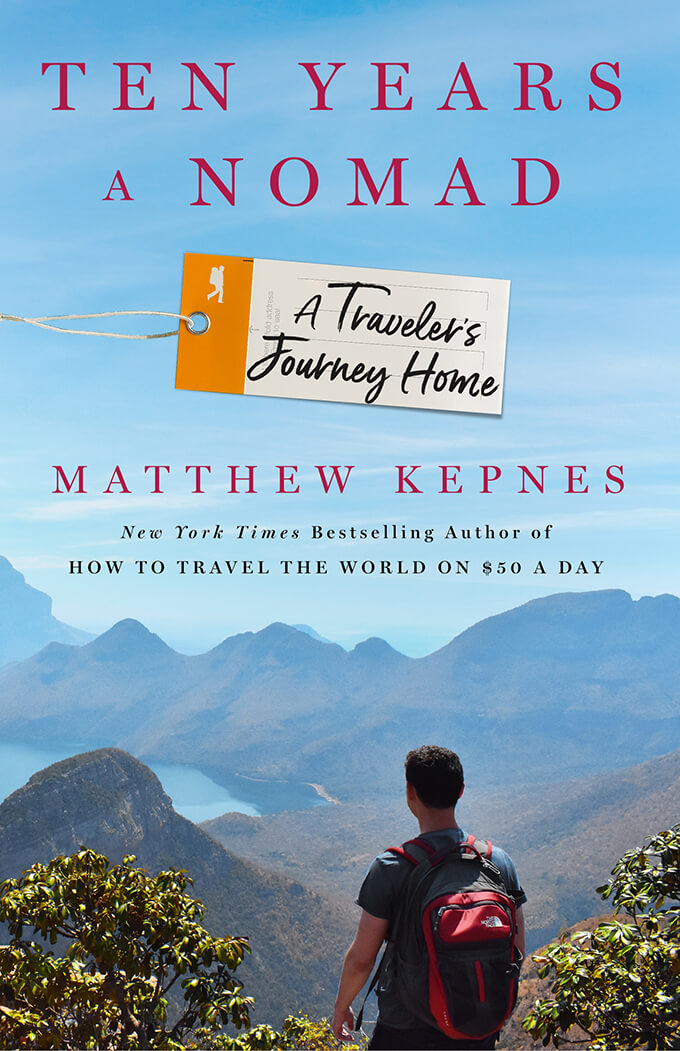
Ten Years a Nomad, by me!

Ten Years a Nomad by Matt KepnesThis is my new(ish) book!!! Unlike my previous books, this is not a “how to” guide but a collection of insights and stories from the road. It’s a memoir of my ten years backpacking the world and the lessons I learned along the way. This book gets to the heart of wanderlust and what extended travel can teach us about life, ourselves, and our place in the world. It’s available as an audiobook too!

I think it makes for the BEST Christmas gift and it would mean a lot if you picked it up! Gift it to a friend! Leave it in hostels! Whatever you want!
 

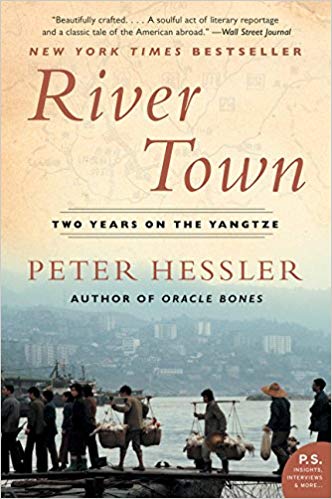
River Town, by Peter Hessler

River Town by Peter HesslerThis book is about American writer and journalist Peter Hessler’s time living in Fuling, China, in the 1990s as one of the first Peace Corp volunteers allowed back in China. I loved his book Oracle Bones, so I was excited to read this one. I don’t think it’s as good, but it’s a detailed, fascinating, well-written account of what living as an expat during a time of great change was like.


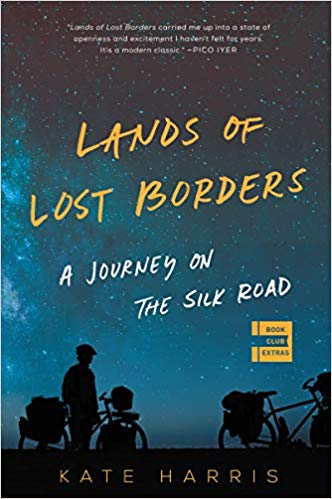
Lands of Lost Borders, by Kate Harris

The Land of Lost Borders by Kate HarrisI read this right after I handed in the final draft of my book and was blown away by Kate Harris’s magical prose. Kate writes the way I would love to be gifted enough to write. The book follows her journey cycling the Silk Road from Turkey to Tibet and is filled with vivid descriptions of the people and places she encountered. It’s one of the best books I read all year.


The Joys of Travel, by Thomas Swick

The Joys of Travel by Thomas SwickThomas Swick has been a travel writer and editor for decades and is one of the giants in the industry (it’s been fun to get to know him over the years, and I only regret not finding his work sooner). The book is a quick but thoughtful read on the emotions we feel as travelers and is filled with lovely stories from his time living abroad in Poland and how mass communication has changed travel. It’s a book that will surely inspire you to see more.


Here Lies America, by Jason Cochran

Here Lies America by Jason CochranThis book examines death tourism in America and the forgotten history that comes along with it. My friend Jason Cochran spent time roaming the country exploring the secret past of America’s greatest memorials through the lens of his family’s history. It’s an intriguing and absorbing look at the history of the US (I learned a lot I didn’t know) and how we remember our history (and what we choose to forget). I can’t recommend it enough!


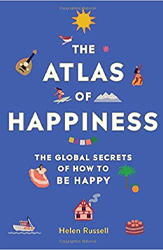
The Atlas of Happiness, by Helen Russell

The Atlas of Happiness by Helen RussellWritten by Helen Russell (who also wrote the entertaining book The Year of Living Danishly), this book examines what makes certain cultures happy and others not. (In many ways, it’s like The Geography of Bliss by Eric Weiner.) The book’s writing style makes it an easy read that will give you lessons you can use in your own life.


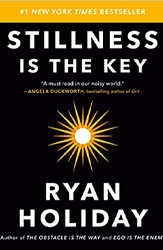
Stillness Is the Key, by Ryan Holiday

Stillness Is the Key by Ryan HolidayWritten by Best-selling author and modern-day philosopher Ryan Holiday, this book is a short and easy (but insightful) read about the need for stillness in your life. In this fast-paced world, we forget that slowing down can provide us with calmness, thoughtfulness, and help us lead a happier life. As someone who has gone through a lot of change this year, I found a lot of wisdom in the book. It’s some of Ryan’s best writing to date.


Why We Sleep, by Matthew Walker

Why We Sleep by Matthew Walker PhDAs an insomniac, I was hoping this book would help me learn how to sleep better. It didn’t. But what it did do was show me just how important sleep really is and why I need to try to get a lot more of it. “Sleep when you’re dead” is a common phrase, but reading this taught me that if I don’t try to sleep more, I’ll be dead quicker.


Dark Matter, by Blake Crouch

Dark Matter by Blake CrouchWithout giving too much away, this sci-fi book by Blake Crouch revolves around the idea of an infinite multiverse where every possible outcome of a decision plays out — and each decision thereafter creates another split, and so forth and so forth. It made me really think about regret and the decisions we make in our lives in a way I never thought about before. I couldn’t put the book down and found it a profoundly impactful book. It changed how I view regret.


Mistakes Were Made (but Not by Me), by Carol Tavris

Mistakes Were Made (but Not by Me) by Carol TavrisI know that I’m raving about a lot of books on this list, but this is hands-down the best I read all year, one that made me look at people differently. We have a hard time saying, “I was wrong” (even when presented with facts that show 100% we were wrong). This book delves into why people double down on false information. In an age of “fake news,” it was an eye-opening look into how people reduce cognitive dissonance.

***

So there you have it! My favorite books of 2019. I wish the list was longer so I could say I kept my promise to read more, but all you can do is pick up and keep going! I have a pile of books on my coffee table I’m getting through quicker, now that I’m at home more.

Regardless, if you’re looking for some good books this holiday season, pick one of these up (especially mine, because, hey, let’s be real, I’d appreciate the support!).

If you have any suggestions on what to read, leave them in the comments. I’m due for another big book buy soon!

If you’d like to see some of the other books I’ve recommended (or are currently reading), check out this page I created on Amazon that lists them all!

Book Your Trip: Logistical Tips and Tricks

Book Your Flight
Find a cheap flight by using Skyscanner or Momondo. They are my two favorite search engines because they search websites and airlines around the globe, so you always know no stone is being left unturned.

Book Your Accommodation
You can book your hostel with Hostelworld as they have the largest inventory. If you want to stay somewhere other than a hostel, use Booking.com, as it consistently returns the cheapest rates for guesthouses and cheap hotels. I use them both all the time.

Don’t Forget Travel Insurance
Travel insurance will protect you against illness, injury, theft, and cancellations. It’s comprehensive protection in case anything goes wrong. I never go on a trip without it, as I’ve had to use it many times in the past. I’ve been using World Nomads for ten years. My favorite companies that offer the best service and value are:

Looking for the best companies to save money with?
Check out my resource page for the best companies to use when you travel! I list all those I use to save money when I travel — and they will save you time and money too!

The post My Favorite Books of 2019 appeared first on Nomadic Matt's Travel Site.


December 09, 2019 at 04:30PM

fom https://ift.tt/2YyXaG6
by IHholiday Travel trip